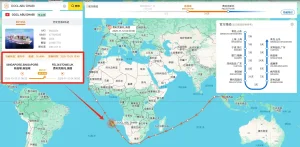
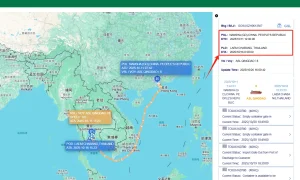
High-performance tracking modules, software APIs, and data integration engines for global manufacturing and operations.
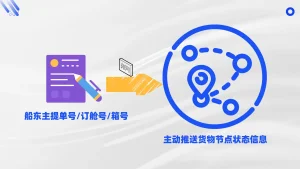
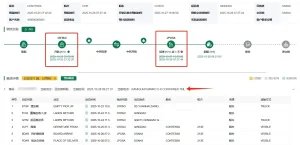
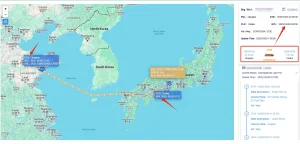
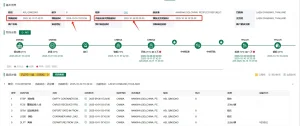
The global logistics landscape has undergone a tectonic shift. In an era marked by geopolitical disruptions, severe port congestion, and volatile freight rates, traditional milestone-based shipment tracking is no longer sufficient. Enterprise manufacturers can no longer rely on static updates indicating that a container has simply left a port. Modern industrial supply chains demand continuous, real-time telemetry, predictive arrival models, and automated compliance tracking.
By leveraging advanced Automatic Identification System (AIS) tracking, sensor data fusion, and API-driven data engines, forward-thinking manufacturers are transitioning from passive observers to proactive orchestrators of their global logistics. True visibility provides the critical "information gain" needed to anticipate bottlenecks, optimize harbor turnarounds, eliminate demurrage charges, and secure a significant competitive edge.
This operational philosophy focuses on resolving systemic blind spots before they cascade into supply chain failures, ensuring that logistics managers maintain dynamic oversight from the production line to the final destination terminal.

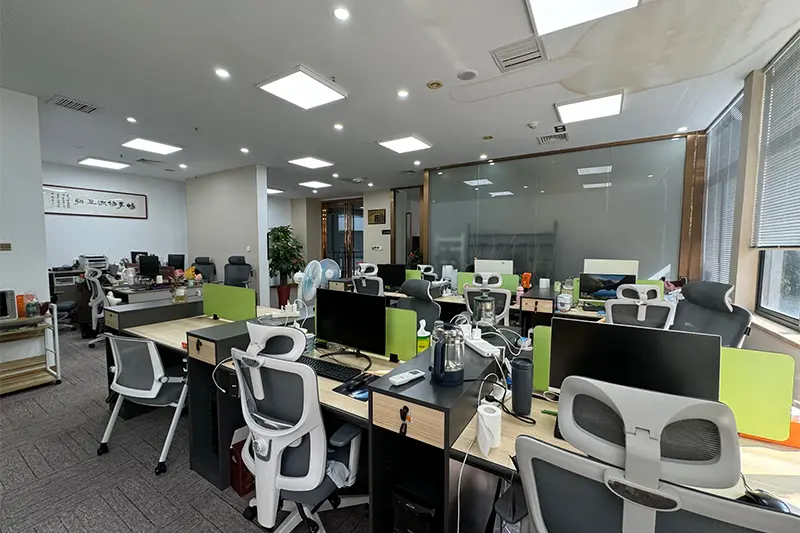
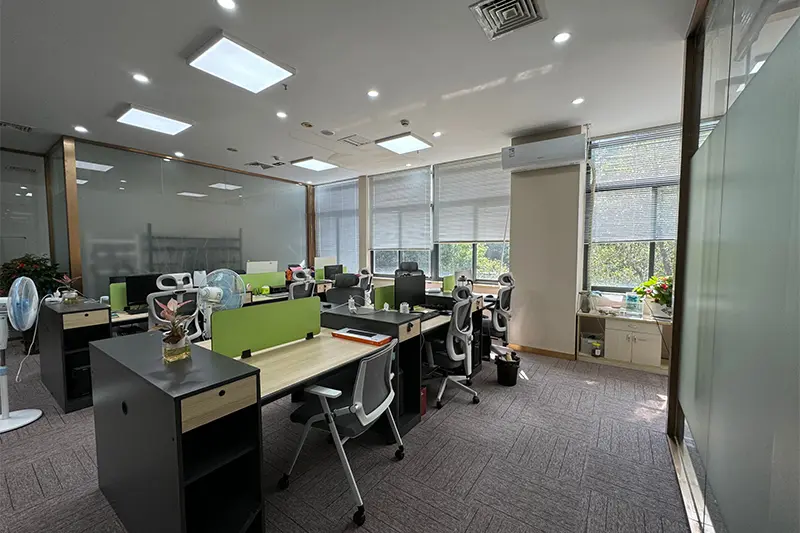
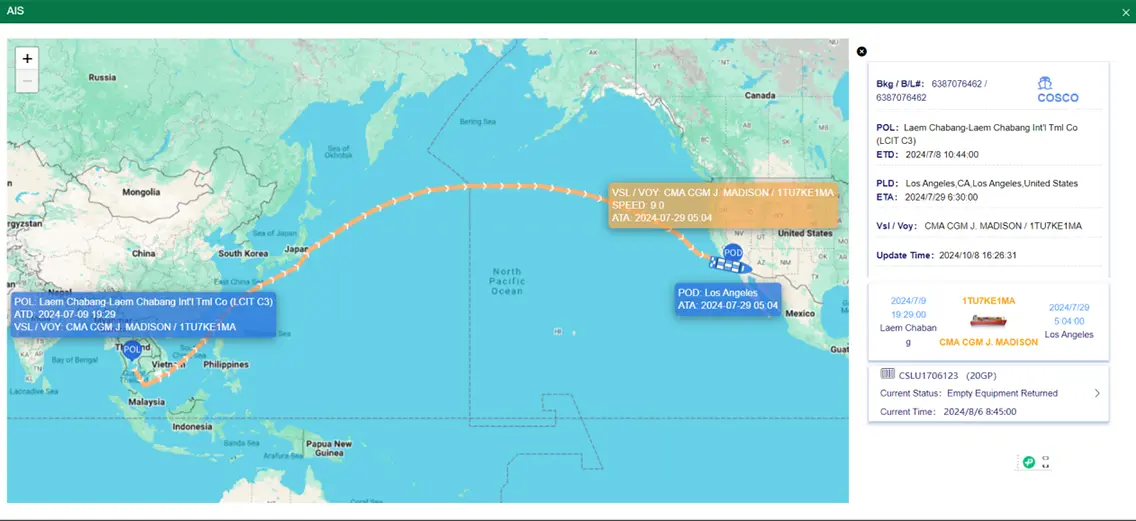
Founded in 2015, Trackingeyes has emerged as a premier developer of global end-to-end logistics tracking and supply chain visualization platforms. Guided by a core technical team with over ten years of deep-rooted experience in global freight management, we architect platforms designed to solve real-world logistical friction. We deeply understand the practical vulnerabilities of cross-border shipping, from documentation delays to terminal congestion.
We specialize in the high-fidelity tracking of sea and air cargo, helping thousands of manufacturing, import-export, and third-party logistics (3PL) companies establish stable, data-driven workflows. By consolidating disjointed carrier reports, terminal events, customs statuses, and vessel telemetry into a unified, clean data stream, we replace fragmented information systems with a single source of truth.
Whether you require a turn-key web platform for dispatch teams or high-throughput API endpoints to power internal ERP networks, Trackingeyes delivers robust, enterprise-grade scalability.
Modern industrial operations function on highly optimized, just-in-time manufacturing models. Any disruption in raw material arrivals or finished product shipments directly impacts factory floor productivity, capital allocation, and client relationships. This fragility is particularly evident in high-value sectors such as automotive components, precision electronics, and industrial equipment manufacturing.
Unexpected port bottlenecks can trigger heavy storage fees. Real-time predictive tracking alert systems warn teams of early arrivals or discharge delays, minimizing port stays.
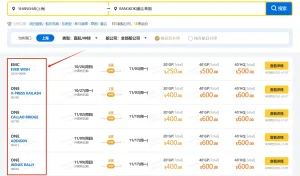
Integrating sailing databases with live freight indices enables shipping teams to pair routes with optimal contract rates, optimizing transport costs.
Instead of relying on outdated estimates from shipping lines, machine learning engines calculate dynamic ETAs by analyzing port queues, weather trends, and transit histories.
Furthermore, maritime operations require rapid, granular tracking to avoid critical failures at destination ports, such as cargo pick-up bottlenecks. When manufacturers fail to coordinate customs clearings, truck routing, and port notifications, goods sit idle, incurring heavy penalties. Dynamic tracking solutions resolve this by automating event triggers, ensuring that all upstream and downstream stakeholders receive immediate alerts when a vessel enters territorial waters.
Trackingeyes operates as a robust, centralized data engine. It gathers raw events from terminal operating systems, customs networks, satellite AIS transponders, and major commercial shipping databases. Using advanced parsing algorithms, these disjointed formats are structured into clean, unified JSON formats, easily ingested by enterprise IT frameworks.
Our core pipeline ingests tracking points from a broad array of sources, processes them, and routes the data directly into internal company portals or customer service systems.
Collects satellite/terrestrial AIS signals, port terminal EDI logs, and global airline status messages.
Harmonizes disparate data schemas, filters out signal noise, and validates times against known route plans.
Pushes real-time status updates directly into internal enterprise ERP platforms (SAP, Oracle) via webhooks.
Legacy ERP systems often treat ocean and air transport as data-empty periods. By integrating our Sailing Schedule Data API, operations teams can add live tracking elements to their existing corporate planning dashboards. When cargo statuses update automatically in your company's CRM or internal inventory systems, it streamlines workflows for customer support, warehouse operations, and procurement teams. This high level of automation reduces manual tracking errors, cuts labor costs, and enables proactive logistics risk management.
Navigating global logistics requires deep compliance expertise. Different regions operate under varying customs processes, data governance frameworks, and technological standards. For instance, tracking cargo across North American rail nodes requires direct integration with major regional networks (such as Union Pacific, BNSF, and CSX) using specific EDI 315 transport schemas.
Conversely, managing maritime shipments within the European Union requires strict alignment with EU customs directives, port community systems (PCS), and General Data Protection Regulations (GDPR) for telemetry transmission. Trackingeyes ensures that all tracking queries and API integrations comply with regional standards, protecting sensitive commercial information.
Additionally, our support services are localized to meet regional needs. We provide multi-language support, custom data structures tailored for local carriers, and dedicated technical support to help cross-border enterprises deploy quickly and maintain stable system connections.
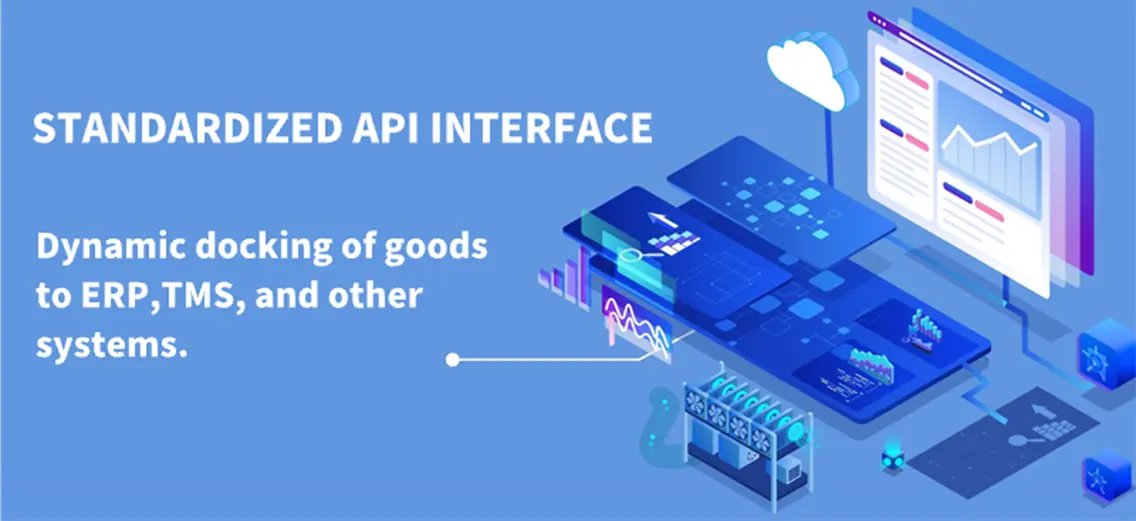
Logistics tracking is evolving from reactive monitoring to proactive intelligence. At Trackingeyes, we are continuously upgrading our architecture to support the future of supply chain operations. Our technical roadmap focuses on integrating advanced technologies to provide deeper insight and higher reliability for industrial manufacturers.
Integrating next-generation low-Earth-orbit (LEO) satellite data directly with ocean containers to provide continuous status monitoring, even in remote mid-ocean areas.
Using real-time vessel routes, speed profiles, and cargo weight to calculate precise Scope 3 greenhouse gas emissions for corporate sustainability reporting.
Analyzing historical shipping patterns to predict and flag high-risk transfers, potential port delays, and container roll-over risks well before they occur.
By investing in these advanced capabilities, Trackingeyes helps manufacturers build resilient supply chains. The future of logistics is not just about knowing where a container is today, but predicting where it will be next week—and optimizing your operations around that foresight.
Clear answers to technical and operational questions about global cargo tracking, systems integration, and risk management.
A complete suite of container tracking APIs, AIS vessel data, and industrial visibility upgrades.
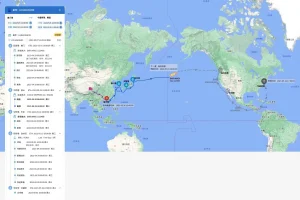
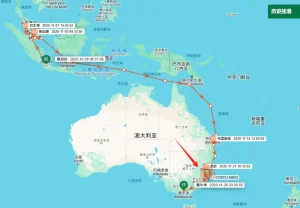
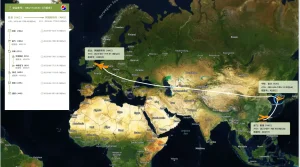
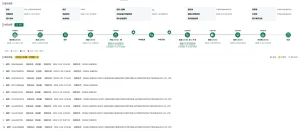
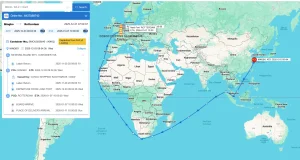
Integrate our high-fidelity tracking data with your enterprise ERP. Eliminate tracking blind spots and reduce operational delays.
Contact Our Technical Engineers Trackingeyes