In container shipping, accurate estimation of loading time is a critical factor impacting operational efficiency and cost control. According to international maritime regulations, the manifest must be declared and submitted 24 hours before loading. Failure to do so often results in significant delay penalties. Therefore, achieving accurate loading time prediction without relying on manual experience has become a key pain point in the digital transformation for many freight forwarding companies.
Â
Many freight forwarders frequently encounter this issue in daily operations: frequent changes in vessel schedules or uncertainties in loading/unloading progress lead to delayed manifest submission, ultimately incurring additional costs.
Â
We previously served a large corporate client who, while advancing their supply chain digitalization, explicitly required automated approval of loading times. They aimed to reduce human error through systematic methods and eliminate high fines caused by late manifest declarations.
Â
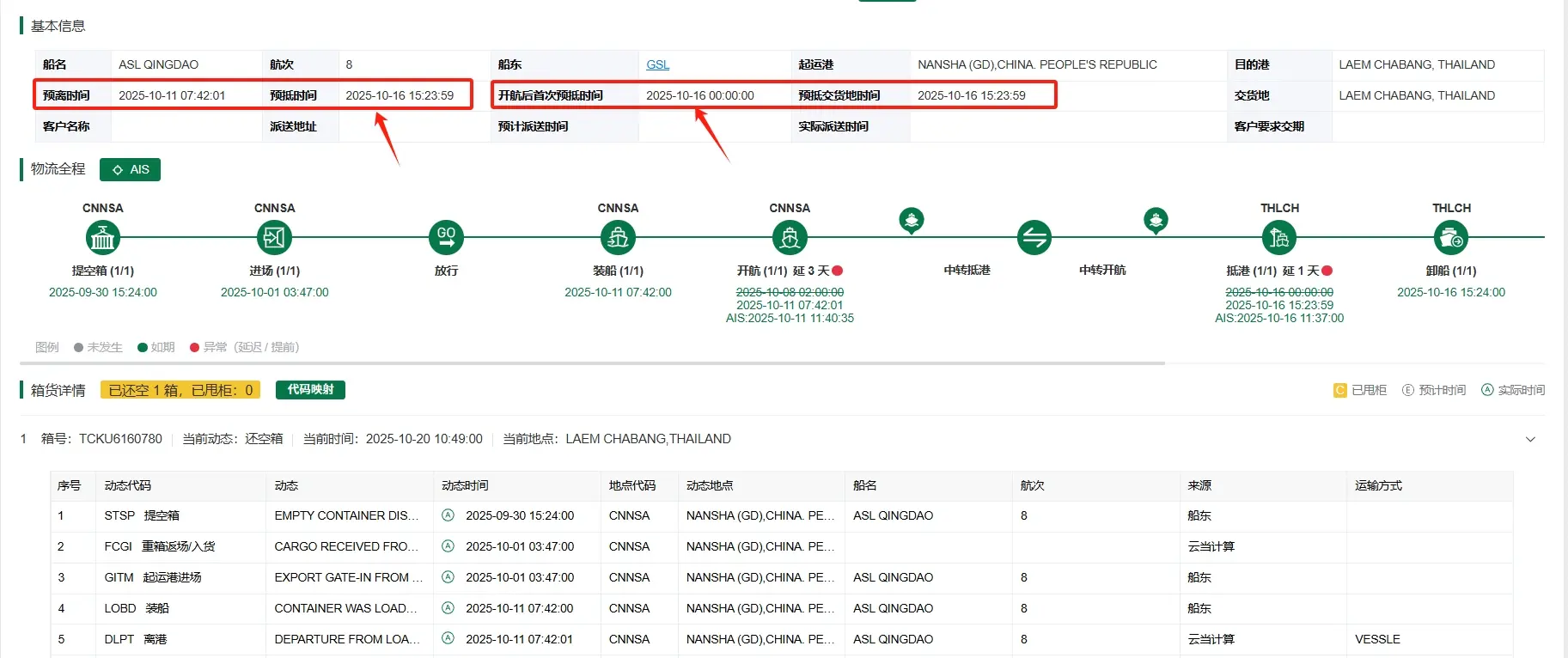
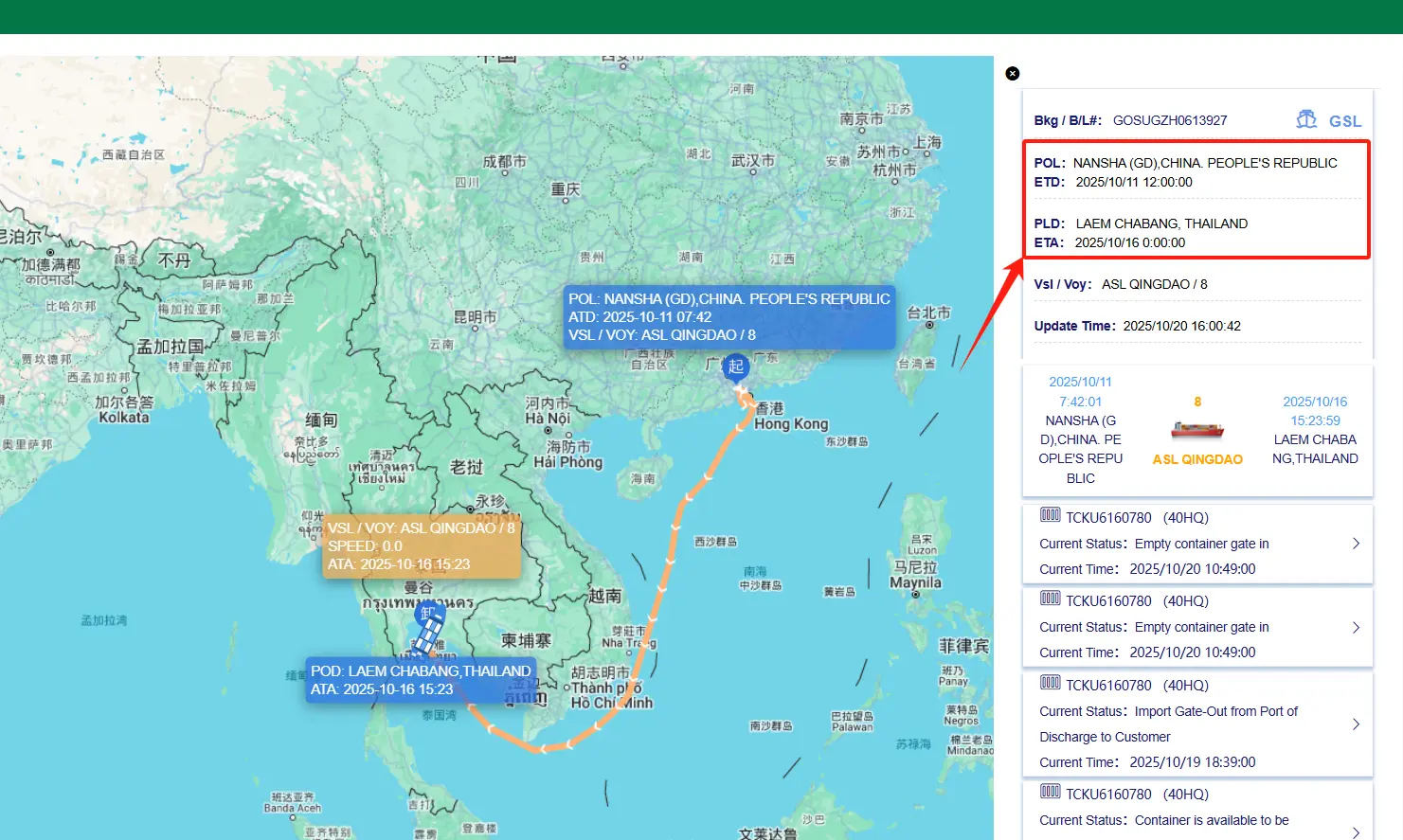
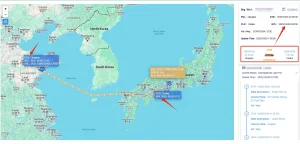
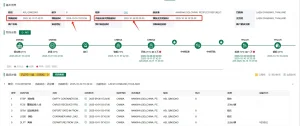
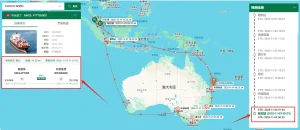
Trackingeyes' solution involves integrating the "Estimated Berthing Time" data interface from terminal vessel schedules. Typically, vessels complete unloading and loading operations within approximately 6 to 24 hours after actual berthing. This means that once the system obtains the estimated berthing time published by the terminal, it can automatically generate a reasonable loading time window. This provides lead time for manifest declaration, ensuring data submission within the stipulated deadline.
Â
Furthermore, the terminal vessel schedule also provides the Estimated Time of Departure (ETD). This information is particularly crucial for freight forwarders handling FOB (Free on Board) business. When the system detects vessel departure or completion of loading operations, it can automatically trigger freight settlement reminders. This helps forwarders promptly bill their clients and reconcile accounts, significantly enhancing business collaboration efficiency.
Â
By deeply integrating terminal berthing schedule data with the manifest management system, companies can not only effectively avoid the risk of delay penalties but also achieve digital closed-loop management of business processes. This data-driven approach to loading time prediction is becoming a key path for modern shipping enterprises to enhance management standards and optimize operational costs.
 Trackingeyes