When cargo is not picked up at the destination port, shipping lines often bypass legal proceedings and directly hold freight forwarders accountable for relevant costs. It is believed that an increasing number of freight forwarding companies are greatly troubled by this issue. Despite earning meager profits, they are forced to bear significant advance payment risks, such as demurrage and detention charges.
There are numerous reasons for cargo not being picked up at the destination port. However, regardless of the cause, freight forwarders should implement the following three measures to save substantial costs:
1. Preventive Measures
Contractual Stipulations: Clearly define liability clauses for "failure to pick up cargo" in the transportation agreement (e.g., cost responsibility, deadlines for abandonment declarations).
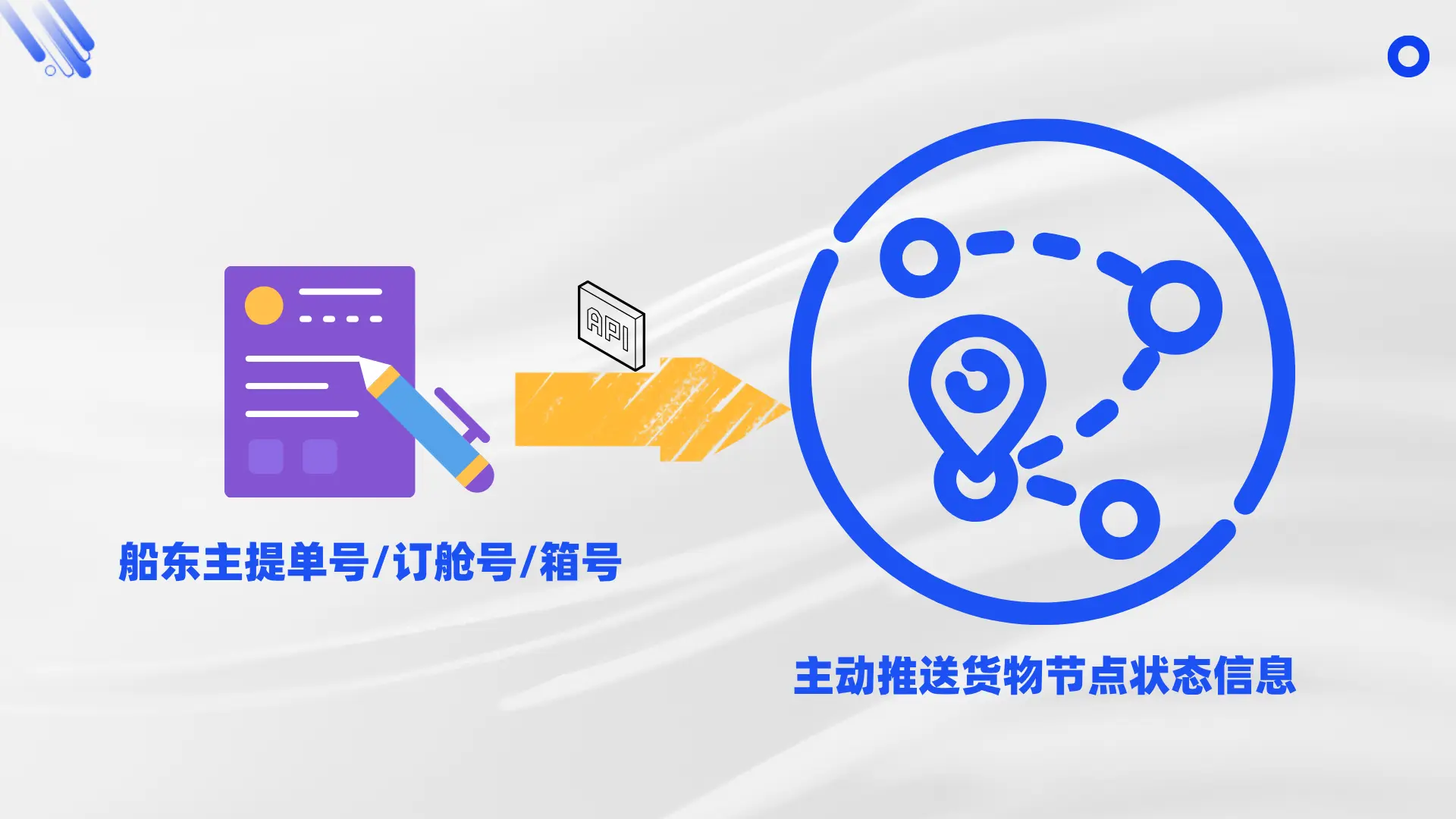
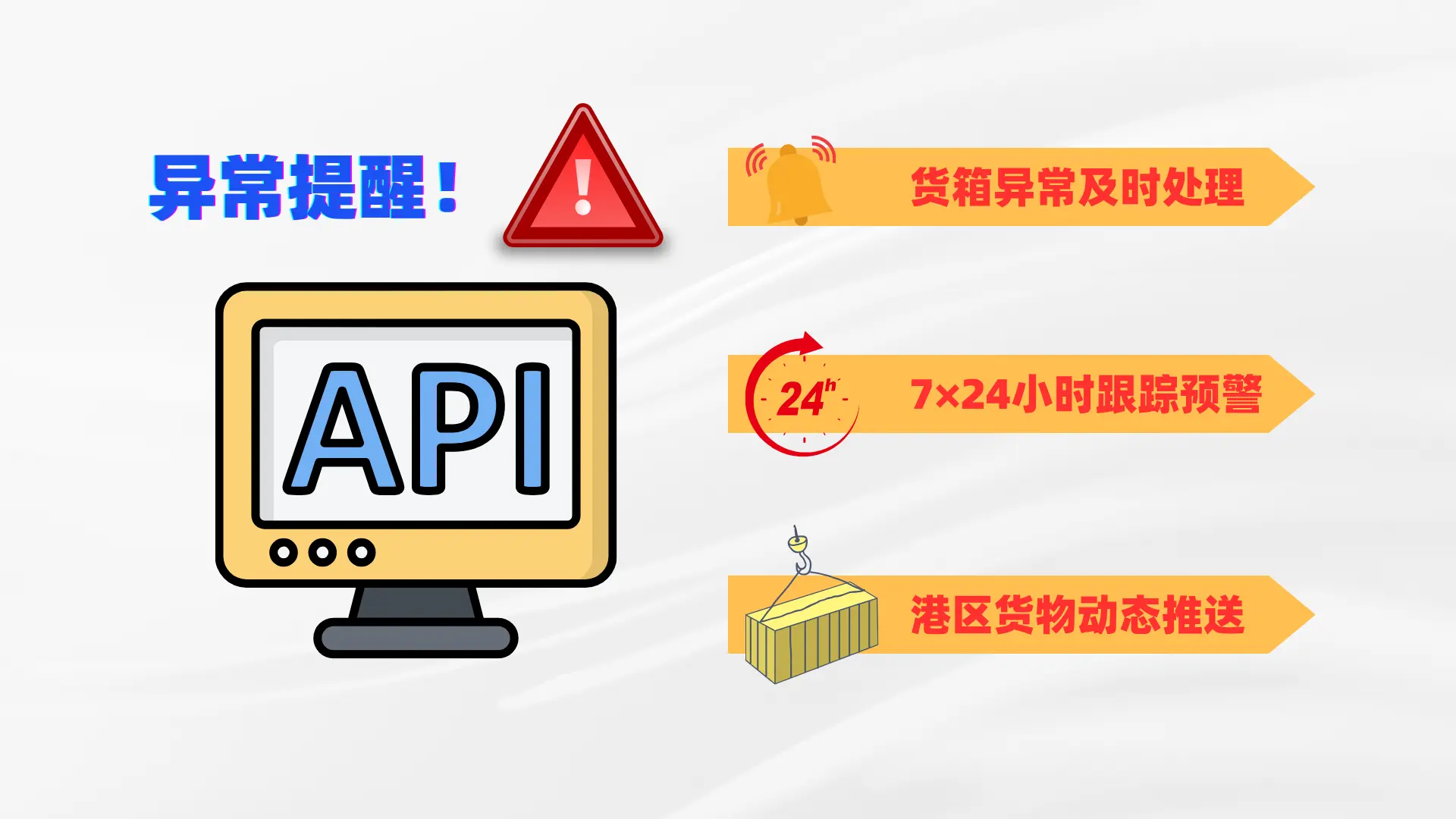
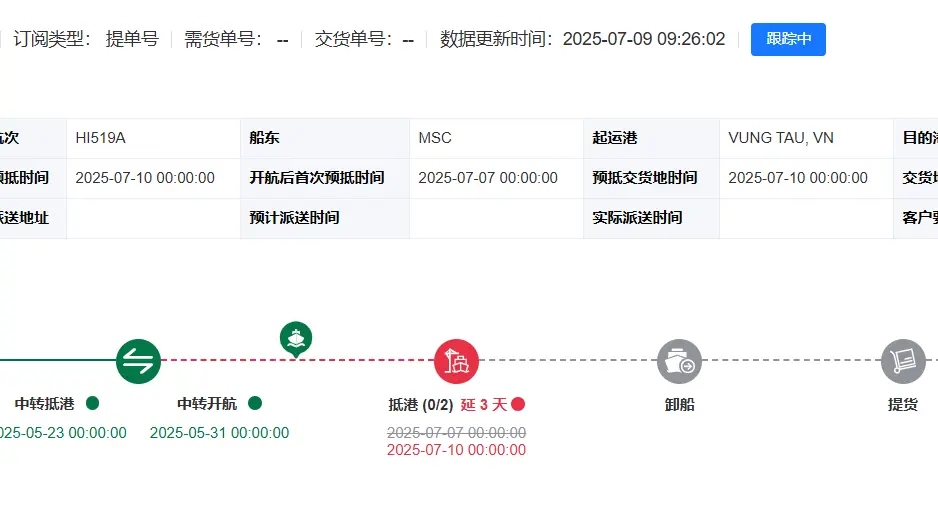
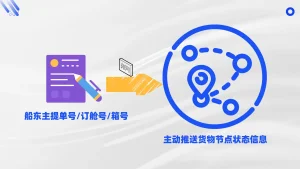
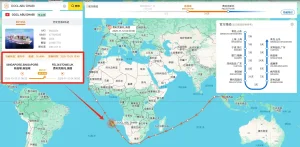
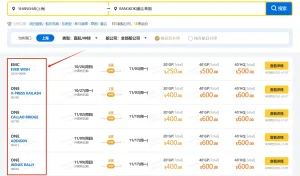
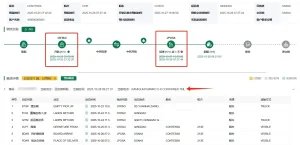
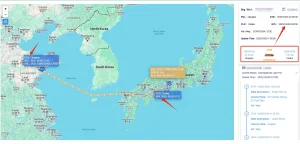
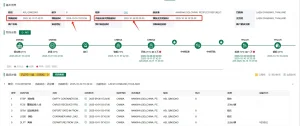
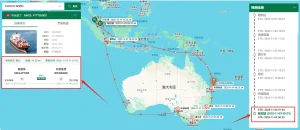
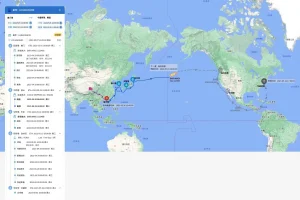
Cargo Tracking: Monitor the arrival status of goods in real time and provide early warnings before free time expires.
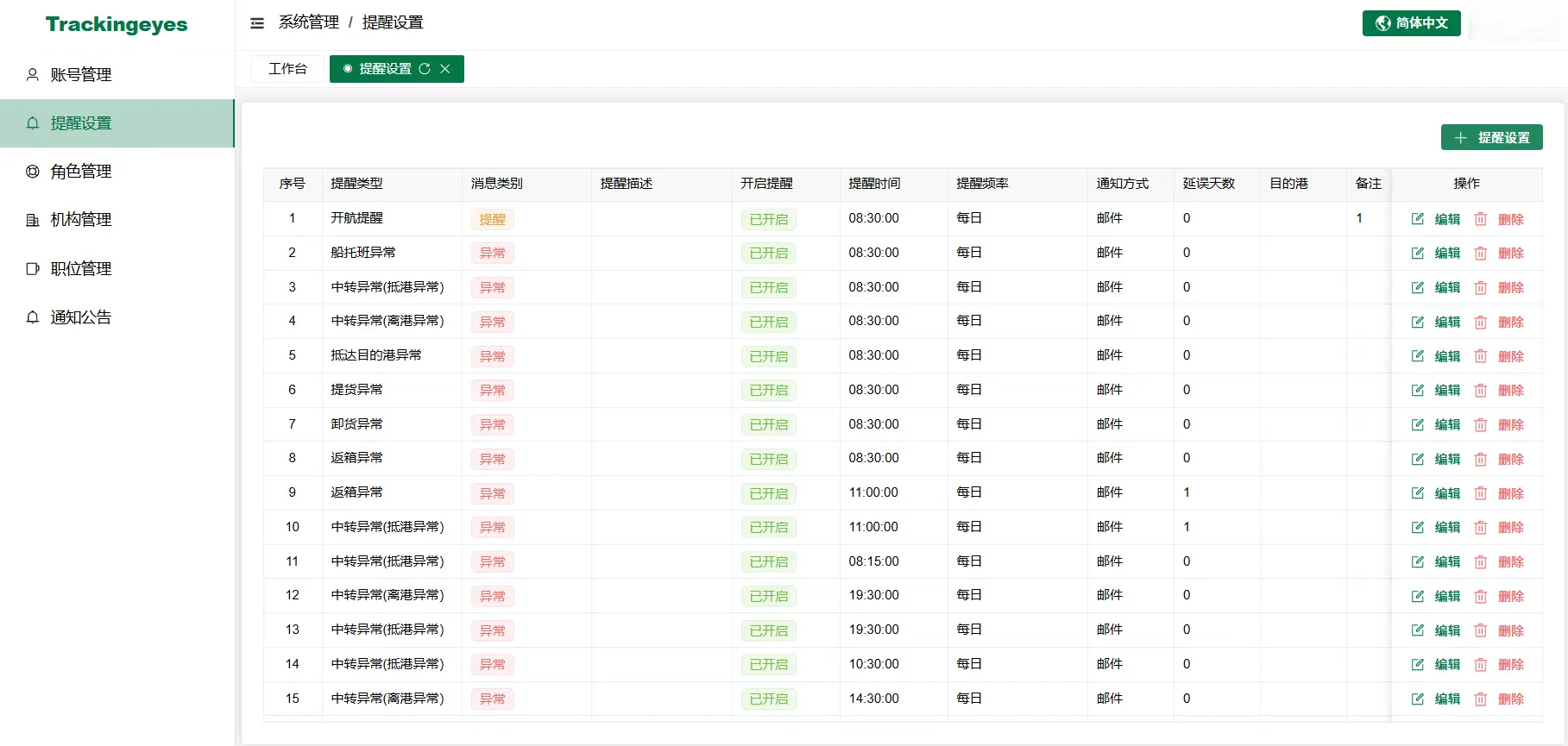
A handy tip here is to use cloud-based systems like Trackingeyes to set up automatic pickup alerts. For instance, if a container remains unclaimed 10 days after arrival, the system can automatically send daily email reminders to the operations team or the consignee.
2. Proactive Communication
Repeated Reminders: Notify the consignee via email, phone calls, and written notices, while keeping records of all communications. If early warnings about unclaimed cargo are issued in advance, this step becomes much more efficient.
Cost Estimation: Provide the shipper with a demurrage calculation sheet in advance, clearly outlining the consequences of delays.
3. Loss Mitigation
Quick Disposal: Coordinate measures such as returning, reselling, or abandoning the cargo to reduce demurrage days.
Legal Recovery: Seek reimbursement for advanced costs from the shipper through debt transfer or legal proceedings.
Therefore, the key is for freight forwarders to proactively intervene using "pickup exception alerts" to control risks.
After all, a foreseeable crisis is hardly a crisis at all!
 Trackingeyes