 Trackingeyes

Empowering manufacturers, distributors, and global enterprises with real-time supply chain visualization, advanced predictive ETAs, and localized compliance management across Central and Eastern Europe.
Explore our core digital tracking technologies designed to minimize delays, reduce detention costs, and integrate seamlessly with regional European ERP networks.
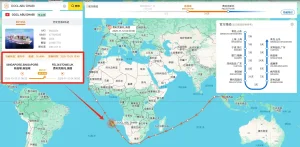

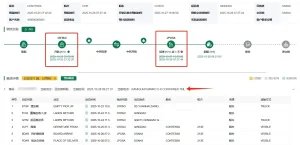
Hungary occupies a highly critical geopolitical position in Central and Eastern Europe (CEE), serving as a crucial landlocked hub connected to key global maritime trade routes via northern and southern European marine gateways. As a landlocked country, Hungary’s industrial strength relies entirely on multimodal logistics corridors. The ports of Koper (Slovenia), Trieste (Italy), Hamburg (Germany), and Constanța (Romania) serve as the maritime entry gates for raw materials and components entering the Budapest industrial ecosystem. Once goods arrive at these marine gateways, they are transferred via express rail networks—such as the Budapest-Belgrade railway and corridors intersecting at the BILK Container Terminal (Budapest) or the East-West Gate (EWG) Intermodal Terminal in Fényeslitke—to reach regional production centers.
In this complex multimodal setting, real-time shipment tracking is not just a digital luxury; it is the cornerstone of modern industrial survival. Major global manufacturing giants—ranging from automotive leaders (Audi in Győr, Mercedes-Benz in Kecskemét, and the BMW Group’s new iFactory in Debrecen) to high-capacity electric vehicle battery suppliers (CATL and Eve Energy)—operate on strict Just-In-Time (JIT) and Just-In-Sequence (JIS) manufacturing lines. A delay of just a few hours at Koper port or a transshipment bottleneck at the Austrian-Hungarian border can halt production lines, incurring millions of Euros in penalties and structural operational losses. Effective end-to-end container tracking ensures high visibility over marine voyages, rail transitions, and regional truck freight, providing the exact data parameters required to anticipate and resolve transit anomalies.
"For automotive assembly lines and battery chemical processors in Hungary, logistics predictability is the highest-value currency. Our predictive tracking solutions turn blind spots at marine gateways into actionable data, protecting supply chains from catastrophic disruptions."
To establish a resilient supply chain, global enterprise logistics directors operating in Hungary must maintain active integration with three main infrastructure channels:
Connecting supply chain stakeholders directly to terminal data, vessel AIS networks, and industrial ERP visualizer tools.
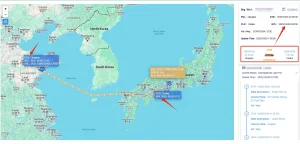
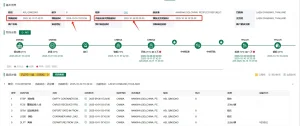
Global supply chains can no longer depend on static EDI updates or basic carrier milestones. Typical status events like "Container Discharged" or "Vessel Departed" are retroactively logged and fail to provide forward-looking predictive context. Our modern technical architecture changes this by combining multi-source real-time sensor streams into a unified data processing pipeline.
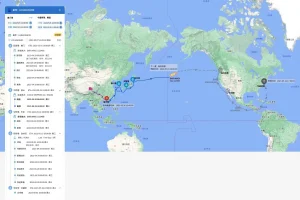
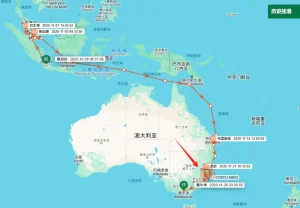
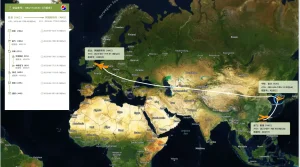
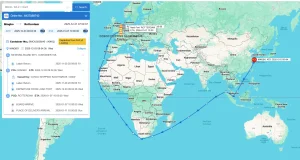
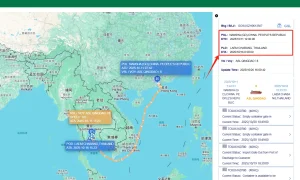
By combining global terrestrial and satellite AIS (Automatic Identification System) networks, our tracking engine continuously monitors maritime traffic. We cross-reference real-time ship positions, sailing speed variations, harbor congestion queues, and local weather patterns. This dynamic dataset is analyzed by our machine-learning model to estimate true port arrival windows. Rather than relying on shipping line estimations, our platform calculates a dynamic ETA, giving logistics managers an early-alert tool to adjust rail freight bookings at European transshipment ports days before the vessel arrives.
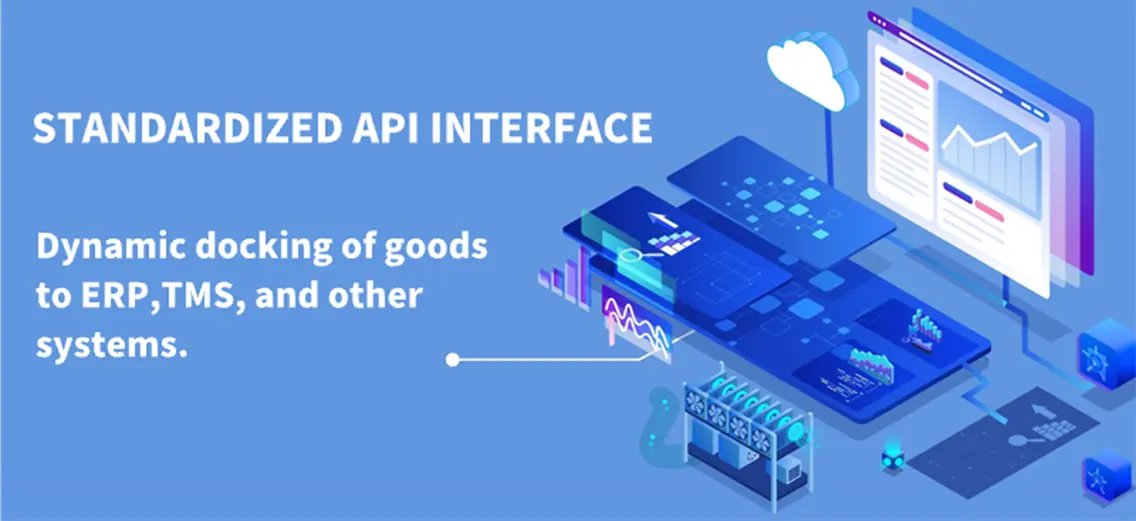
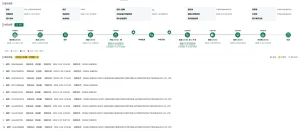
Our platform operates as a centralized data aggregator, retrieving and cleaning status inputs from shipping lines, aviation networks, marine terminals, and customs interfaces. By using standardized API webhooks, this intelligence integrates directly with enterprise ERPs (including SAP, Oracle, and Microsoft Dynamics 365) and regional European transportation management software (TMS). This allows customer support teams, procurement offices, and warehouse workers to view shipment status within their existing business systems, avoiding manual tracking tasks.
For air cargo passing through Budapest Airport (BUD), our tracking interface connects directly with airline reservation systems and ground handling databases. This ensures automated updates for air freight, tracking milestone events from initial warehouse receipt to final gate release, including customs clearance checkpoints. For Hungarian manufacturing plants sourcing high-value electronics from Asian manufacturers, this real-time overview helps avoid costly logistics gaps.
European logistics operates under strict regulatory frameworks, and Hungary has unique compliance requirements. Any commercial shipment moved within the country via public roads is subject to the Hungarian Electronic Public Road Transportation Control System (EKAER). This system is designed to prevent tax evasion and track the movement of goods inside Hungarian territory.
Our tracking platform supports EKAER reporting by linking cargo tracking numbers with carrier vehicle registrations and destination ETA data. This allows logistics coordinators to verify that their road transport records align with actual vehicle movements, avoiding the heavy penalties associated with reporting discrepancies.
Additionally, as the European Union rolls out its new Import Control System 2 (ICS2) regulations—requiring detailed pre-loading safety and security data for all maritime and air cargo entering EU territories—our automated data verification helps ensure all necessary filings are completed. By tracking and validating ocean and air bills of lading, we help global shippers avoid custom holds at European ports of entry.
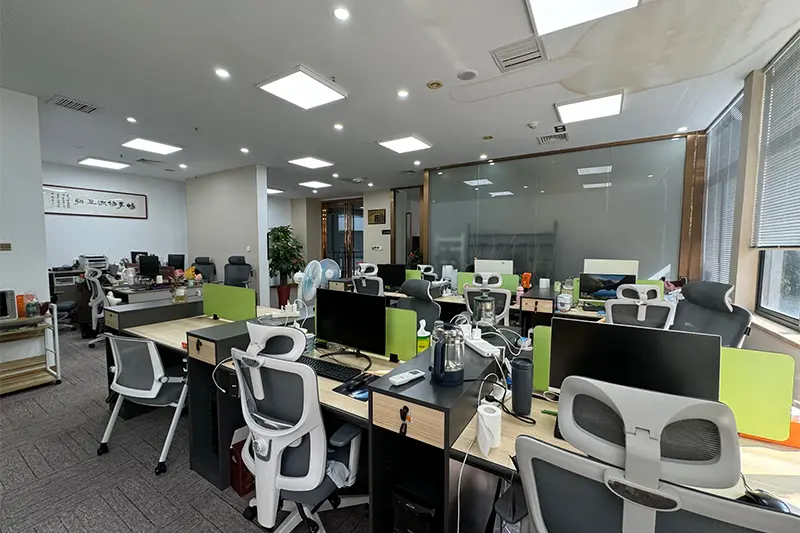
Founded in 2015, Trackingeyes is a leading provider of global end-to-end logistics tracking and supply chain visualization solutions. With a founding team boasting over ten years of logistics expertise, we deeply understand industry pain points. We specialize in global end-to-end cargo tracking by sea and air, serving thousands of import and export enterprises worldwide. Our services include customizable tracking solutions and open API data interfaces to enhance supply chain visibility and operational efficiency.
The platform achieves full chain data coverage from the source to the terminal through the collection and aggregation of data sources, including logistics information from various data sources such as stations, terminal, customs, shipping companies, and airlines.
Through the Trackingeyes’ Platform, customers can quickly connect with hundreds of global data sources, greatly improving the efficiency and intelligence of logistics tracking.


Through API interface integration, the dynamics of goods can be automatically written back to internal systems and customer service systems of the enterprise, assisting global logistics enterprises, supply chain enterprises, cross-border e-commerce enterprises, software platforms and other enterprises to achieve more efficient and refined goods tracking management, and to do risk control and prediction in advance.
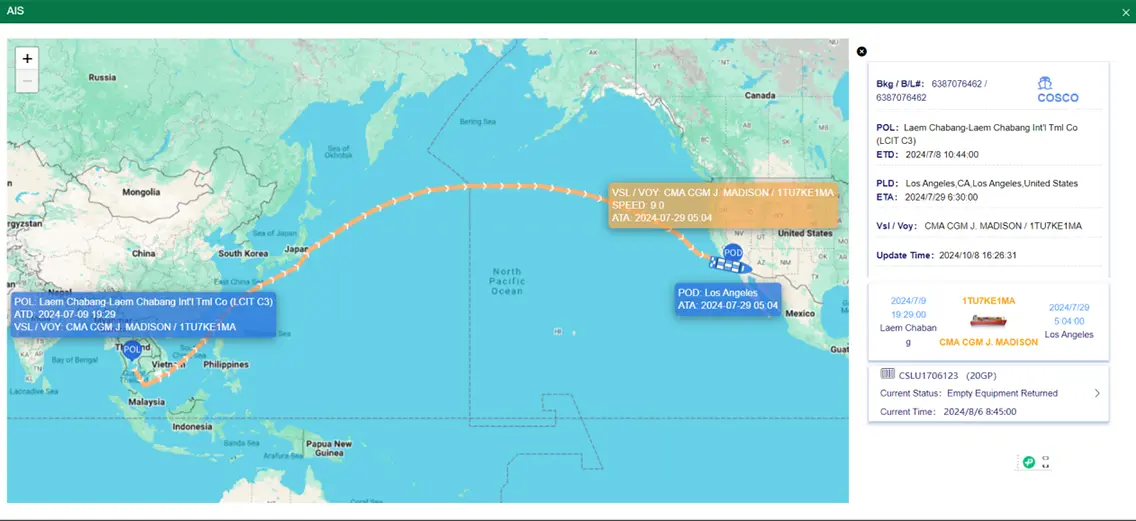
The next era of global logistics is shifting from reactive visibility to automated, predictive decision-making. Our technical roadmap is designed to help businesses navigate this transition. We are currently implementing machine learning models that analyze regional road congestion patterns in Central and Eastern Europe alongside transshipment terminal processing data. By mapping historic rail delays from Adriatic ports to Budapest hubs, our platform will soon offer smart rerouting suggestions, helping logistics coordinators bypass congested transfer points in real time.
In addition, we are integrating support for low-power GPS and environment sensors (monitoring temperature, humidity, and shock conditions) directly into our cargo database. For high-value shipments, such as delicate electronics components or industrial machinery, this sensor layer will provide real-time updates not just on shipment location, but also on the physical condition of the cargo throughout its journey.
Through partnerships with European railway authorities, custom clearance services, and major container lines, we are building a more comprehensive data sharing network. Our goal is to reduce transit blind spots and provide companies with the reliable logistics data needed to build stable, predictable supply chains.
Select from our range of marine AIS, automated air cargo, and multi-modal tracking solutions to optimize your logistics operations.
Get answers to common questions about tracking containers, managing rail updates, and connecting our API to systems in Hungary.
Contact our integration specialists today to request a custom API quote or set up a pilot program for your central European supply chain.
Send Inquiry Now