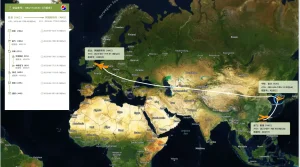
Explore our core tracking modules engineered to eliminate blind spots, optimize port operations, and secure your supply chain integrity across Bangladesh and global trade lanes.
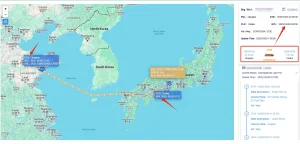
Prevent costly demurrage and abandonment at destination ports with predictive alerts.
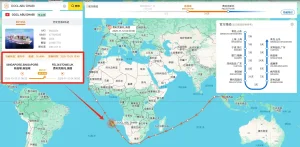
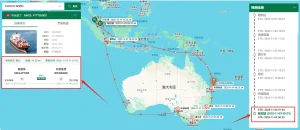
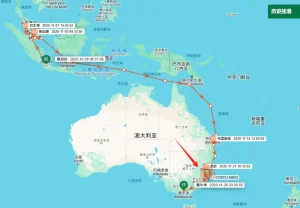
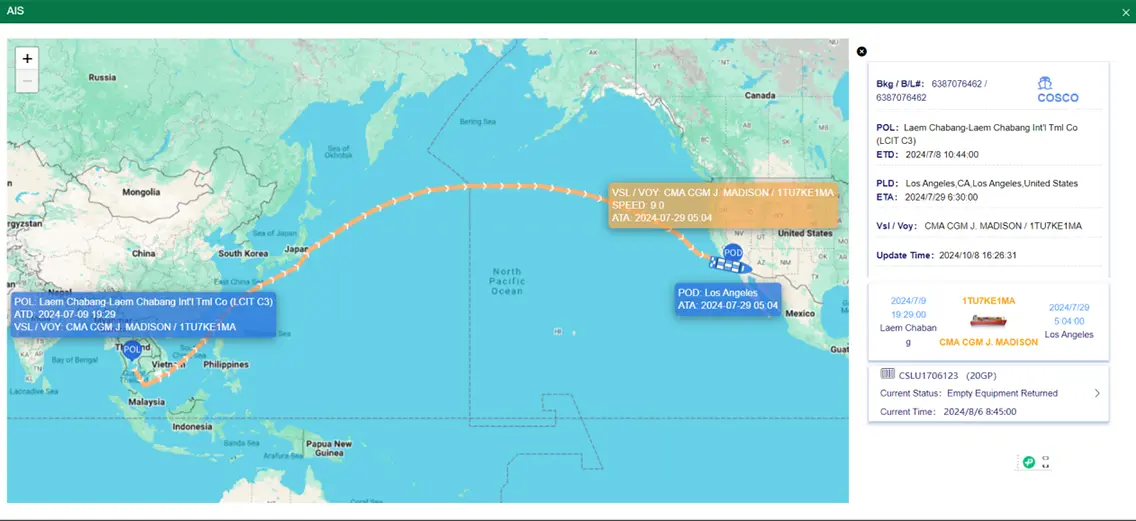
Access global AIS transponder data for real-time vessel position and ETA recalculation.
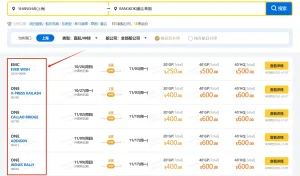
Match vessel schedules with real-time freight rates to optimize procurement decisions.
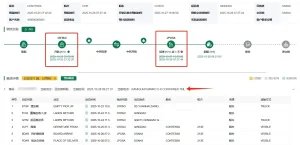
Automate milestone updates and streamline workflows for high-volume logistics teams.
As the world's second-largest exporter of Ready-Made Garments (RMG), Bangladesh occupies a critical position in global retail supply chains. The nation's economic engine relies heavily on the seamless flow of raw materials in—primarily fabrics, yarn, and machinery from China—and finished apparel out to major consumer markets in Europe and North America.
However, the Bangladesh logistics sector faces unique challenges. Chittagong Port (Port of Chattogram), which handles over 90% of the country's import-export containerized cargo, frequently experiences vessel congestion, leading to unpredictable lead times. Furthermore, transshipment hubs like Colombo, Singapore, and Port Klang introduce additional layers of complexity. Without real-time visibility, manufacturers face severe penalties due to missed delivery windows, air-freight conversions, and high demurrage charges.
Implementing advanced Shipment Tracking Services is no longer a luxury for Bangladeshi enterprises; it is a strategic necessity to maintain competitiveness on the global stage.

The modern supply chain operates on a "just-in-time" model. For Bangladeshi RMG manufacturers, the supply chain begins long before raw materials reach the port of Chittagong. It starts in the industrial hubs of China, where fabric mills and machinery manufacturers operate at unprecedented speeds.
The efficiency of Chinese factories is legendary, characterized by rapid production cycles, automated quality control, and streamlined export documentation. However, this upstream efficiency is lost if the downstream logistics remain a black box. Integrating Chinese factory output schedules with real-time maritime tracking creates a unified supply chain corridor.
By leveraging Vessel AIS (Automatic Identification System) Data and carrier milestones, global buyers can synchronize production endings in China with vessel departures, ensuring that raw materials are loaded onto the optimal voyage. This level of synchronization minimizes warehousing costs and ensures that factories in Dhaka, Gazipur, and Narayanganj operate without material shortages.

Our global network and data processing capabilities ensure that your cargo is monitored every mile of its journey.
How local enterprises leverage Trackingeyes to solve daily operational bottlenecks.
A major Dhaka-based apparel exporter shipping 500 TEUs monthly to Europe uses our automated ETA tracking. By receiving real-time alerts on transshipment delays in Colombo, they can proactively notify retail buyers, adjusting inventory plans and avoiding heavy late-delivery penalties.
An industrial machinery importer in Chittagong utilizes our "Port Opening Alert & Cut-off Tracking" to coordinate customs clearance agents. By knowing the exact vessel arrival time (ATA) via AIS, they prepare documentation in advance, reducing container dwell time by 35%.
For high-value, time-critical fast fashion shipments, exporters utilize our automated air freight tracking at Hazrat Shahjalal International Airport (DAC) to monitor flight milestones and ensure seamless handovers to destination courier networks.
Founded in 2015, Trackingeyes is a leading provider of global end-to-end logistics tracking and supply chain visualization solutions. With a founding team boasting over ten years of logistics expertise, we deeply understand industry pain points. We specialize in global end-to-end cargo tracking by sea and air, serving thousands of import and export enterprises worldwide. Our services include customizable tracking solutions and open API data interfaces to enhance supply chain visibility and operational efficiency.
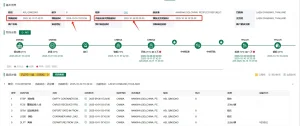
The platform achieves full chain data coverage from the source to the terminal through the collection and aggregation of data sources, including logistics information from various data sources such as stations, terminals, customs, shipping companies, and airlines. Through the Trackingeyes’ Platform, customers can quickly connect with hundreds of global data sources, greatly improving the efficiency and intelligence of logistics tracking.
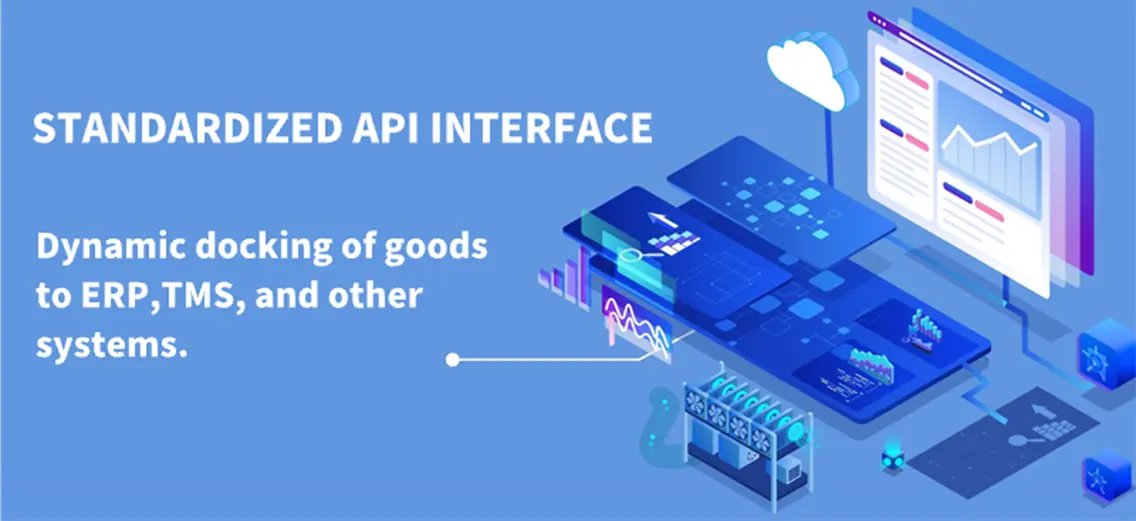
Through API interface integration, the dynamics of goods can be automatically written back to internal systems and customer service systems of the enterprise, assisting global logistics enterprises, supply chain enterprises, cross-border e-commerce enterprises, software platforms and other enterprises to achieve more efficient and refined goods tracking management, and to do risk control and prediction in advance.

The global logistics landscape is undergoing a rapid digital transformation. Procurement teams at multinational corporations are no longer satisfied with static PDF tracking reports. Today's procurement standards demand real-time, dynamic data integration. The key trends shaping the industry include:
Modern enterprises require logistics data to flow directly into their internal ERP systems (such as SAP, Oracle, or Microsoft Dynamics). Our Sailing Schedule API and tracking data feeds eliminate manual data entry, ensuring a single source of truth across the organization.
By combining historical voyage data, port congestion indexes, and real-time weather patterns, AI algorithms can predict vessel arrival times far more accurately than traditional carrier estimates, allowing for proactive exception management.
Global buyers are increasingly required to report on Scope 3 emissions. Tracking vessel movements and routing efficiency allows companies to calculate the carbon footprint of their ocean and air freight shipments accurately.
From API integrations to specialized regional tracking, select the solution that fits your operational scale.
Integrate global sailing schedules directly into your ERP for automated planning.
Build a visual control tower within your existing ERP system for ocean logistics.
Optimize warehouse dispatching and container loading to avoid port penalties.
Track inland rail movements across North America for end-to-end delivery visibility.
Understand the strategic advantages of AIS data in modern maritime coordination.
Never miss a port cut-off window with automated alerts and schedule tracking.
Transform raw AIS coordinates into actionable visual maps for your operations team.
Monitor urgent air shipments with real-time flight status and airport milestone tracking.
Common inquiries regarding shipment tracking services, API integration, and Bangladesh market operations.
Get customized quotes and consult with our logistics experts to build a resilient, visible, and efficient supply chain network today.
 Trackingeyes