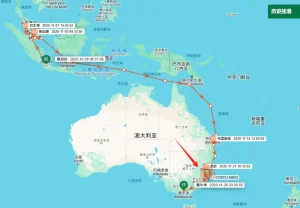
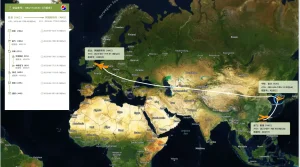
Advanced tracking tools specifically configured for Mediterranean trade lanes and major Moroccan container terminals.
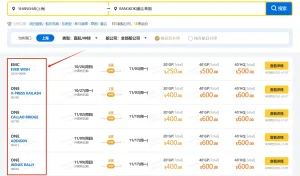
A comprehensive analysis of shipment tracking requirements, maritime integration, and supply chain resiliency within the North African manufacturing landscape.
Positioned at the crossroads between Europe, Africa, and the Middle East, Morocco has rapidly evolved into a vital hub for global trade. With the expansion of Tanger Med Port—which currently stands as the largest container port in Africa and the Mediterranean basin—the country handles over 8 million TEUs annually. Furthermore, ports like Casablanca, Agadir, and the ongoing development of Nador West Med are cementing Morocco’s role in international supply chains.
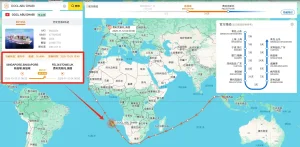
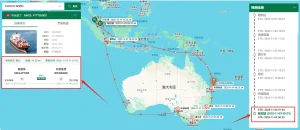
However, this explosive growth introduces complex logistical challenges. Modern ocean freight demands absolute precision. Shippers importing automotive parts to Kenitra Automotive City or exporting aerospace components from Midparc Casablanca require micro-level visibility. Traditional status tracking is no longer sufficient; global enterprises now require end-to-end tracking services that integrate real-time AIS vessel telemetry with local Port Net data systems to optimize landing operations and mitigate risk.
In Morocco's industrial landscape, manufacturing operations operate on Just-in-Time (JIT) cycles. Delays in raw material arrivals from international suppliers can instantly disrupt assembly lines. Conversely, delayed exports to Europe incur heavy financial penalties.
Global businesses require localized shipment tracking services that support Mediterranean shipping schedules, local customs processing times, and multimodal rail connections. By providing accurate quotes and comprehensive visibility platforms, tracking service providers bridge the gap between global freight systems and local operational nodes, resolving cargo pick-up delays at the port of destination.
TEUs Tanger Med Capacity
Years Logistics Expertise
Connected Carriers & APIs
ETA Prediction Accuracy
One of the primary friction points in Morocco's import economy is cargo pick-up failure. When container status changes are not communicated promptly to local drayage companies, containers sit on the quay, incurring exorbitant demurrage and detention charges.
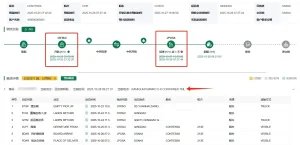
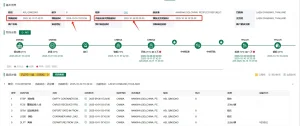
Using dynamic port-opening alerts and cut-off tracking systems, manufacturers receive immediate notifications the moment a vessel berths at Tanger Med or Casablanca. This allows logistics teams to coordinate customs clearance and transport trucks precisely, avoiding terminal bottlenecks and ensuring continuous raw material flow to factories.
Morocco's infrastructure boasts advanced rail links, notably the ONCF rail network connecting major industrial zones with ports. Advanced logistics tracking solutions must integrate not only ocean AIS telemetry but also air freight tracking via hub interfaces like Casablanca Mohammed V International Airport, along with inland rail updates.
Centralizing these distinct data flows into a unified API dashboard ensures that cargo transit milestones are visible at every point. This provides a single source of truth for global logistics managers overseeing complex transshipment routes.
As industrial ecosystems become increasingly globalized, the connection between Chinese manufacturing excellence and Moroccan assembly operations has grown exponentially. Under the banner of China Factory 4.0, manufacturing facilities have transitioned into highly digitalized, IoT-enabled centers.
By integrating advanced product telemetry, smart packaging, and dynamic logistics tracking protocols at the factory gate, Chinese manufacturers ensure that materials bound for Morocco are tracked from the moment production is completed. This provides several key operational advantages:
Continuous monitoring from manufacturing hubs in Shenzhen or Ningbo, through major transit points, straight to destination terminals in Morocco.
Leveraging AI models to analyze weather, port congestion, and shipping lanes, enabling proactive routing adjustments before delays escalate.
Using sailing schedule APIs to automatically sync production timelines with transit bookings, reducing warehouse storage and inventory costs.
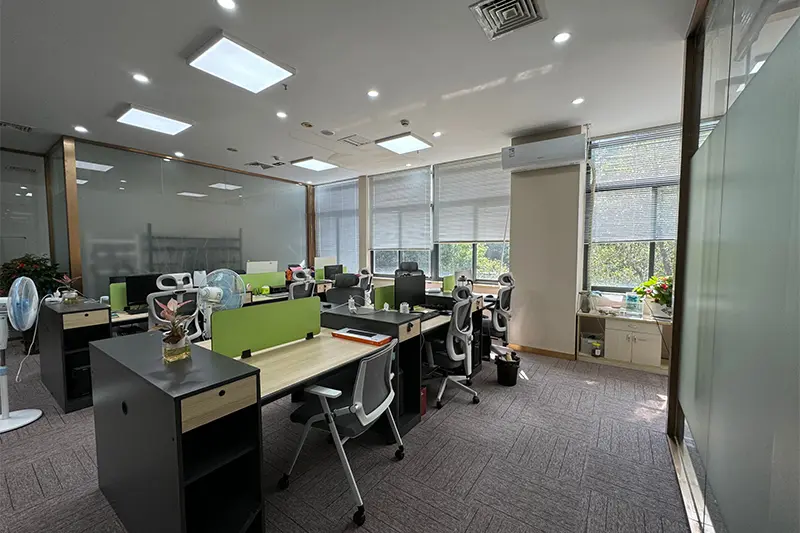
Founded in 2015, Trackingeyes is a leading provider of global end-to-end logistics tracking and supply chain visualization solutions. With a founding team boasting over ten years of logistics expertise, we deeply understand industry pain points.
We specialize in global end-to-end cargo tracking by sea and air, serving thousands of import and export enterprises worldwide. Our services include customizable tracking solutions and open API data interfaces to enhance supply chain visibility and operational efficiency.
Through API interface integration, the dynamics of goods can be automatically written back to internal systems and customer service systems of the enterprise, assisting global logistics enterprises, supply chain enterprises, cross-border e-commerce enterprises, software platforms and other enterprises to achieve more efficient and refined goods tracking management, and to do risk control and prediction in advance.

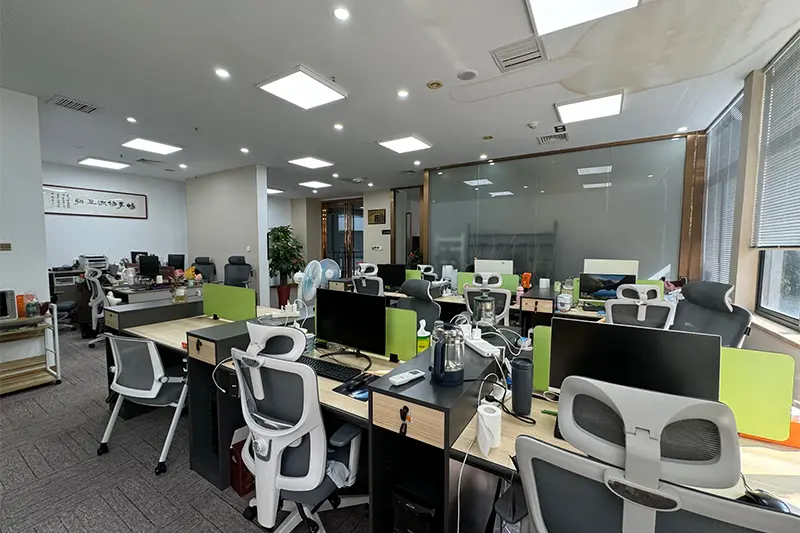
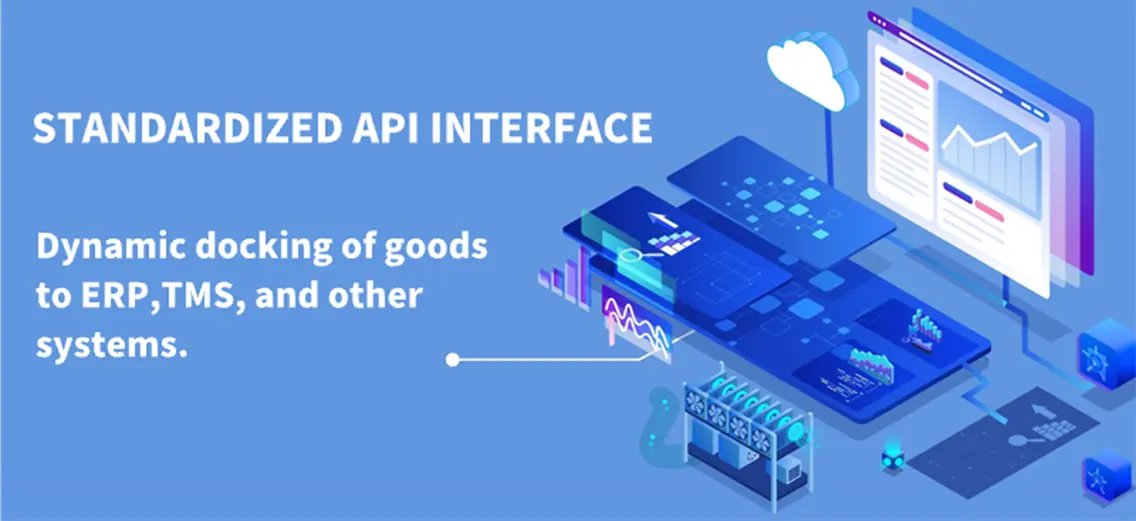
The platform achieves full chain data coverage from the source to the terminal through the collection and aggregation of data sources, including logistics information from various data sources such as stations, terminal, customs, shipping companies, and airlines.
Through the Trackingeyes’ Platform, customers can quickly connect with hundreds of global data sources, greatly improving the efficiency and intelligence of logistics tracking. We bring proven reliability to both ocean and air cargo tracking, giving you the accurate data and control needed to streamline operations from port to runway.
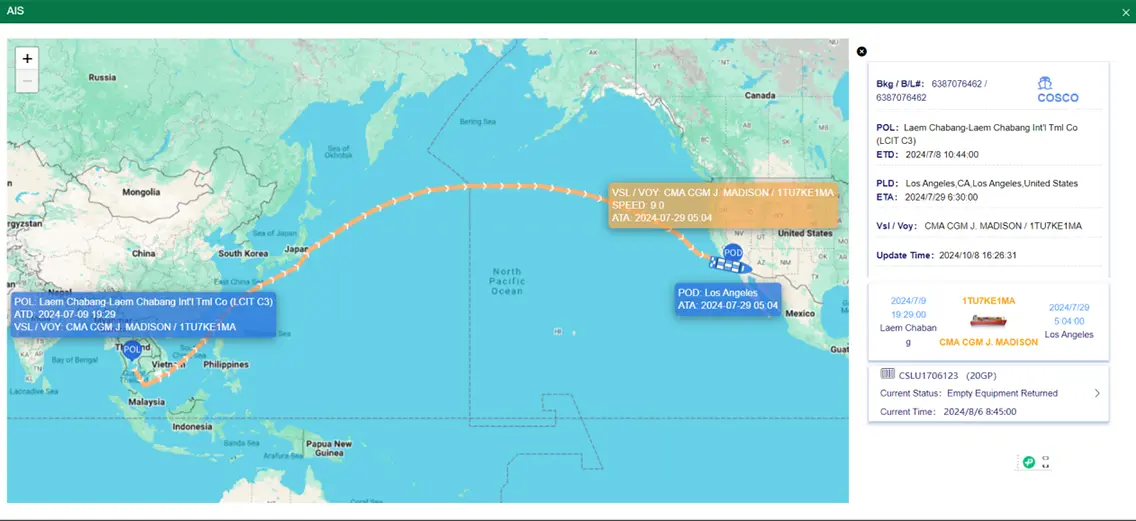
Select from our core modules configured with API data streams for global and regional tracking needs.
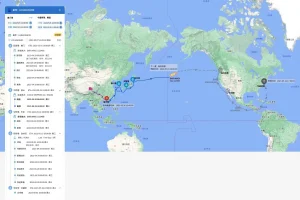
Partner with Trackingeyes for robust, customizable API integration and real-time monitoring across Morocco's key maritime hubs, inland terminals, and global trade corridors.
Send Inquiry Now Trackingeyes