Experience state-of-the-art maritime telemetry designed to navigate port complexities and mitigate transit delays across Luzon, Visayas, and Mindanao.

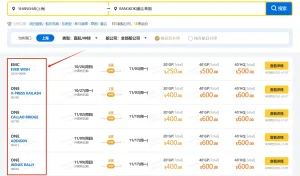
An in-depth structural analysis of maritime operations, congestion patterns, and data integration requirements within the local supply chain.
The Philippines, an archipelago comprised of over 7,600 islands, depends heavily on maritime shipping for domestic and international commerce. The Port of Manila, including the Manila International Container Terminal (MICT) and Manila South Harbor, acts as the primary gateway for imports and exports. However, this high centralization exposes supply chains to systemic vulnerabilities, including port congestion, regulatory compliance bottlenecks at the Bureau of Customs (BOC), and seasonal weather disruptions. During peak peak shipping cycles, container dwell times at Manila ports can escalate significantly, leading to demurrage and detention fees for manufacturers and logistics service providers.
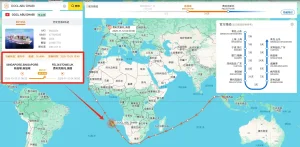
Operating in this environment requires advanced data tools to mitigate volatility. Traditional checkpoint-based tracking methods often fail to account for vessel delays in the South China Sea or unexpected waiting times at the anchorage area outside Manila Bay. Implementing end-to-end shipment tracking services combined with satellite and terrestrial AIS (Automatic Identification System) data provides supply chain managers with the predictive visibility necessary to adjust inland transport schedules, allocate warehouse resources, and optimize inventory distribution across regional hubs like Cebu, Davao, and Cagayan de Oro.
One of the primary challenges in the Philippine logistics market is the unpredictable wait time at outer anchorages. Standard carrier-provided tracking often displays a generic status such as "Arrived" once a vessel enters the geographic boundaries of Manila Bay, despite the vessel sitting at anchor for several days before securing a berth. This lack of precision results in misallocated trucking resources and inaccurate ETA communication to downstream buyers.
By leveraging real-time tracking systems integrated with local port operating database connections, shippers can monitor vessel positioning relative to active berth assignments. This allows logistics teams to predict exact discharge times and manage trucking dispatch configurations dynamically, avoiding costly waiting fees charged by haulers.
The Philippines experiences an average of twenty typhoons annually, which frequently disrupt maritime lanes, close ports, and force vessels to seek shelter. Shipments traversing the Luzon Strait or heading south to Visayas and Mindanao must be monitored dynamically to assess safety risks and routing deviations. High-fidelity AIS tracking provides immediate visualization of route alterations, allowing logistics managers to invoke contingency plans—such as shifting cargo to alternative ports of entry like Batangas or Subic, or transitioning urgent components to air freight routes via Ninoy Aquino International Airport (NAIA).
Technical capabilities designed to meet the strict SLA, security, and integration standards of global manufacturers and third-party logistics (3PL) providers.
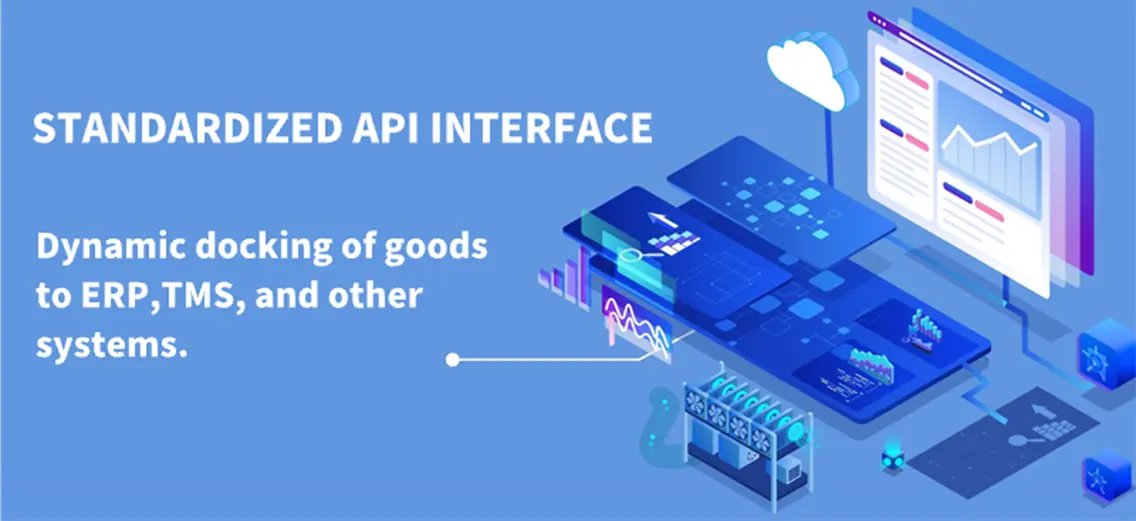
Deploy high-concurrency API integrations directly into your enterprise ERP systems (SAP, Oracle, or customized TMS). Receive automated webhooks for critical milestones such as port arrival, customs release, and container gate-out.
Our service guarantees high data availability and redundant satellite AIS streams, ensuring continuous cargo monitoring even within low-connectivity maritime transit zones near remote Philippine islands.
Consolidate your supply chain views. Trace sea freight containers, track international air cargo flights, and monitor overland trucking milestones through a unified visualization system.
Founded in 2015, Trackingeyes is a leading provider of global end-to-end logistics tracking and supply chain visualization solutions. With a founding team boasting over ten years of logistics expertise, we deeply understand industry pain points.
We specialize in global end-to-end cargo tracking by sea and air, serving thousands of import and export enterprises worldwide. Our platform achieves full chain data coverage from the source to the terminal through the collection and aggregation of data sources, including logistics information from various channels such as stations, terminals, customs, shipping companies, and airlines. Through the Trackingeyes’ Platform, customers can quickly connect with hundreds of global data sources, greatly improving the efficiency and intelligence of logistics tracking.
Learn More About Us


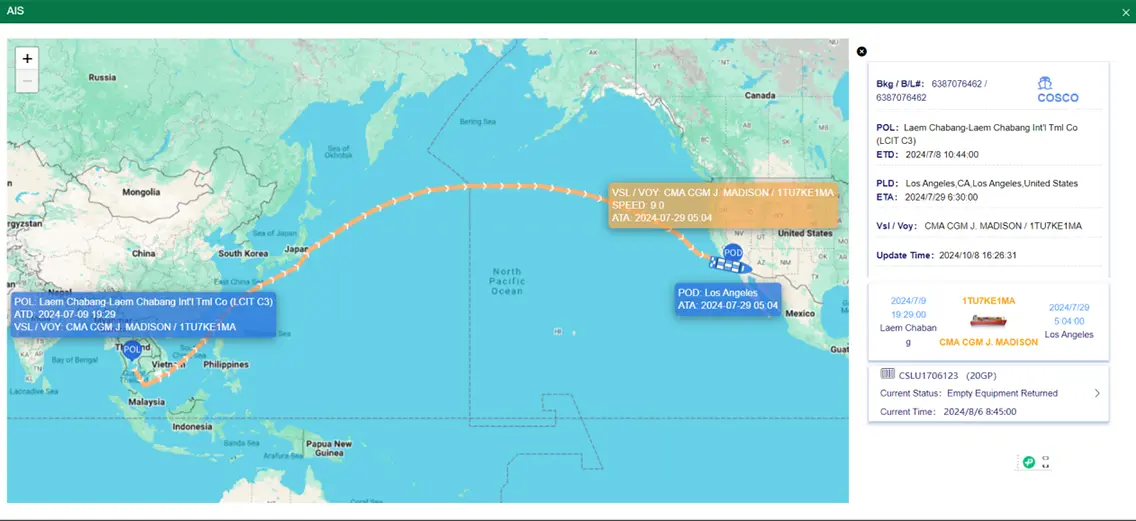
Deploying digital shipment tracking solutions within the Philippines requires adherence to national regulations, including the Data Privacy Act of 2012 (Republic Act No. 10173). Businesses must ensure that telemetry data, particularly when sharing shipment details with third-party local agents, freight forwarders, and logistics partners, remains secure and respects data storage sovereignty rules.
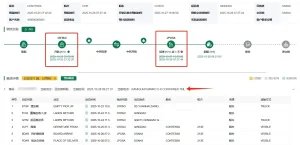
Furthermore, our systems support compliance documentation tracking for customs entry processes, including pre-arrival declarations required by the Bureau of Customs (BOC). Automated ETA data helps importers anticipate the release of the Single Administrative Document (SAD), coordinate with local customs brokers, and minimize demurrage exposures. Our platform acts as a bridge between overseas manufacturers and Philippine customs brokers by delivering centralized, verifiable milestones.
Key technical inquiries and answers regarding shipment tracking services in the Philippines.
Explore our complete range of high-performance tracking and logistics visibility products optimized for international logistics.
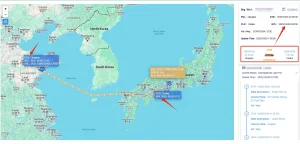
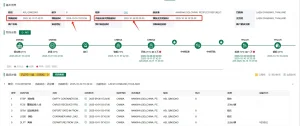
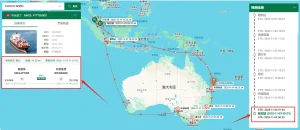
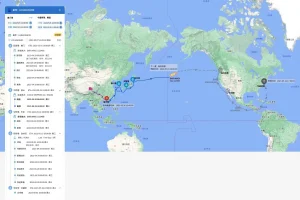
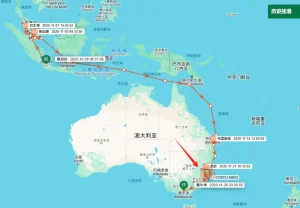
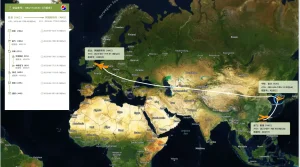
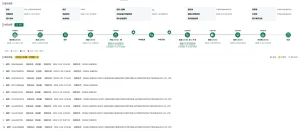
Partner with Trackingeyes to configure API integrations, streamline data visibility, and protect operations from logistics bottlenecks across the Philippines.
Send Inquiry Now Trackingeyes