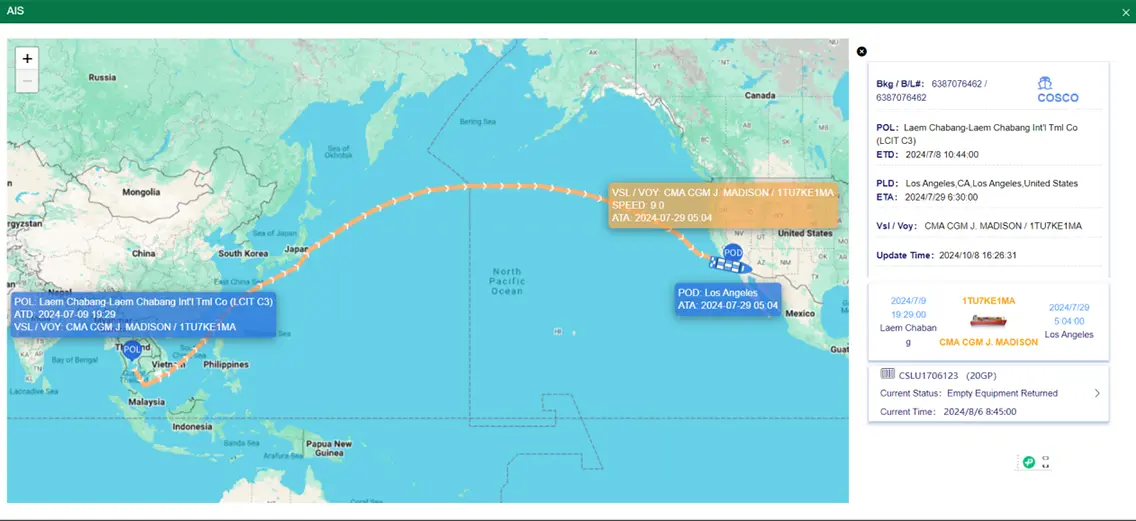
Advanced shipment visibility systems built to address logistics friction at destination ports like Callao and the new Chancay megaport.
Prevent cargo abandonment and delays at Port of Callao with automated pick-up failure notifications and predictive container milestone alerts.
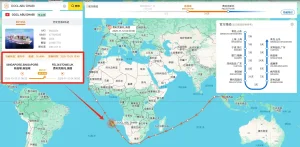
Unlock instant ATD & ATA updates for transpacific shipping lanes into Peru with our high-frequency satellite and terrestrial AIS data.
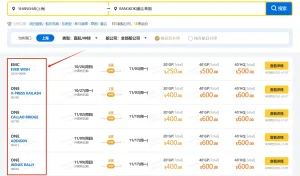
Optimize ocean routes by matching dynamic schedules directly against volatile South American spot rates for maximum yield and route speed.
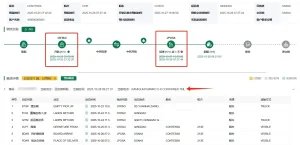
Automated tracking engine featuring zero manual updates, providing real-time ocean visibility and AI-powered arrival predictions.
Peru has rapidly emerged as a critical macroeconomic gateway in South America. Strategically positioned along the Pacific coast, the nation acts as a primary hub linking Asian manufacturing corridors—predominantly China—with the Andean Community. Traditionally, the Port of Callao has handled over 75% of Peru's container traffic, leading to historic bottleneck challenges, customs delays, and unpredictable drayage windows within the Lima metropolitan area. This structural friction forces industrial manufacturers, raw material importers, and retail distributors to run high safety stocks due to poor ETA precision.
The logistics landscape in Peru is on the cusp of an epochal shift with the inauguration of the Chancay Megaport. This deep-water hub, constructed to accommodate ultra-large container vessels (ULCVs) of up to 18,000 TEU capacity, will reduce the China-to-Peru transit time by approximately 10 to 15 days, circumventing transshipment stops in North America or Mexico. However, this sudden surge in volume requires a massive upgrade in digital visibility. Without integrated shipment tracking services, local logistics managers face unprecedented blind spots. Modern shipment tracking tools must now offer real-time satellite data to optimize terminal handling schedules, plan cross-docking operations, and coordinates land transport across challenging Andean terrains.
“Integrating high-precision AIS tracking and dynamic container milestone alerts is no longer an operational luxury in Peru. It has become a baseline requirement for minimizing demurrage fees at Callao and coordinating just-in-time logistics at Chancay.”
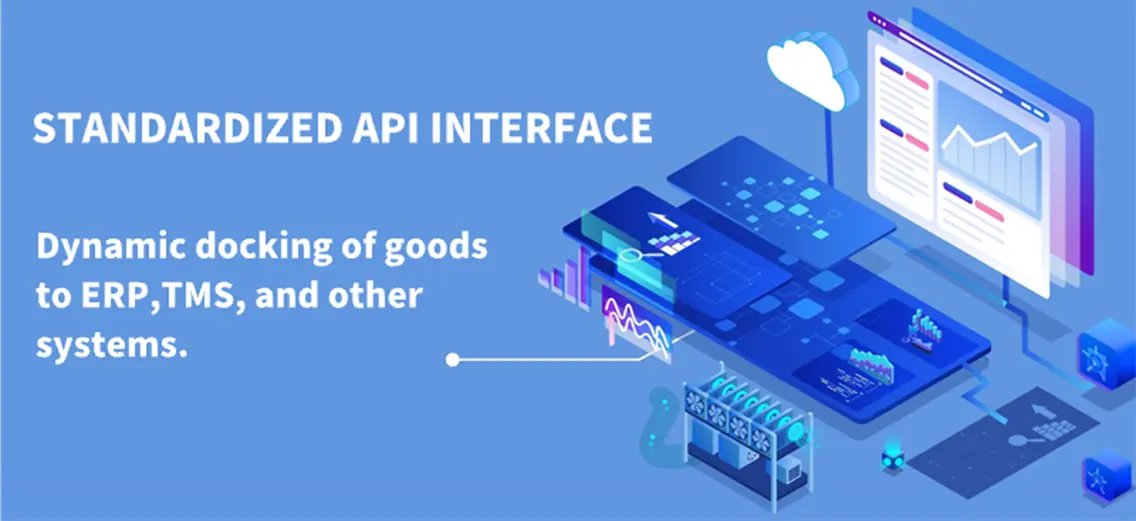
The future of tracking lies in the democratization of global ocean data and its integration with local business architectures. Logistics managers in Peru are shifting from static website-based tracking to automated RESTful API integration. Standardized REST APIs hook directly into local Enterprise Resource Planning (ERP) systems like SAP S/4HANA or Oracle Cloud, running natively within local customs clearing agent software. Our technology roadmap revolves around three main pillars:
AIS Signal Coverage Rate
Average Port Demurrage Cost
Saved via Chancay Direct Lane
API Integration Latency
For decades, China has been Peru's largest trading partner. With China's ongoing Industry 4.0 transition, manufacturing units are highly integrated with digital twins. Smart factories in Shenzhen, Ningbo, and Shanghai now expect the logistics pipeline to match the visibility of their smart assembly lines. When machinery parts, electronics, or automotive components leave a Chinese factory yard, they are tracked using RFID and IoT beacons before they are even loaded onto the ocean vessel.
This deep tracking integration ensures end-to-end resilience. If a shipment tracking service detects a container pickup delay in China, the system automatically flags the matching customs broker in Callao, Peru. By synchronizing the origin and destination data streams, industrial enterprises can adjust their manufacturing schedules dynamically, avoiding costly operational standstills at factories located in Arequipa, Trujillo, or Lima.
Founded in 2015, Trackingeyes is a leading provider of global end-to-end logistics tracking and supply chain visualization solutions. With a founding team boasting over ten years of logistics expertise, we deeply understand industry pain points. We specialize in global end-to-end cargo tracking by sea and air, serving thousands of import and export enterprises worldwide. Our services include customizable tracking solutions and open API data interfaces to enhance supply chain visibility and operational efficiency.
The platform achieves full chain data coverage from the source to the terminal through the collection and aggregation of data sources, including logistics information from various data sources such as stations, terminal, customs, shipping companies, and airlines.
Through the Trackingeyes’ Platform, customers can quickly connect with hundreds of global data sources, greatly improving the efficiency and intelligence of logistics tracking. Through API interface integration, the dynamics of goods can be automatically written back to internal systems and customer service systems of the enterprise, assisting global logistics enterprises, supply chain enterprises, cross-border e-commerce enterprises, software platforms and other enterprises to achieve more efficient and refined goods tracking management, and to do risk control and prediction in advance.



Entering the Peruvian market involves navigating strict compliance frameworks set forth by local agencies. Importers must comply with customs clearance policies managed by SUNAT (Superintendencia Nacional de Aduanas y de Administración Tributaria). For specialized shipments, digital documentation must be submitted to DIGEMID (for medical and pharmaceutical equipment) or SENASA (Servicio Nacional de Sanidad Agraria) for agricultural products. Failure to submit accurate shipping schedules and automated tracking data can result in massive fines, prolonged customs delays, or the outright rejection of freight at the port.
To secure a seamless import workflow, global suppliers use automated milestone tracking to proactively send documentation to local customs brokers. By receiving dynamic alerts such as "Vessel ETA Update" or "Port Opening Alert" early on, teams can align clearance manifests, pay import duties beforehand, and secure local transport trucks ahead of peak port congestion hours.
Providing end-to-end visibility for global supply chain platforms, ERP solutions, and industrial trading enterprises trading with Peru.
Direct database connections via our APIs to fetch routing schedules, vessel details, and port rotation information for South America.
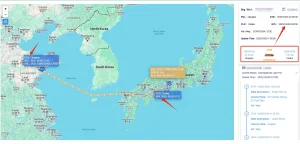
Integrate visual tracking matrices inside your ERP core, linking material orders directly to physical ocean shipping status.
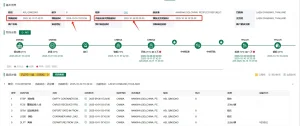
Predictive algorithms matching origin operations with port gate-in timetables to prevent demurrage penalties.
Keep tabs on intermodal land operations routing through North America down to South American logistics corridors.
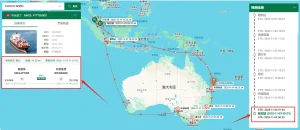
Gain strategic analysis detailing how tracking services leverage satellite constellations to streamline ocean route calculations.
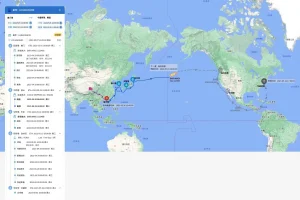
Mitigate early gate-out and late arrival fines with automated warnings tracking changing ocean freight cut-off windows.
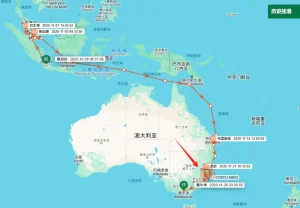
Deploy interactive map overlays visualizing actual vessel routes, weather layers, and oceanic milestones globally.
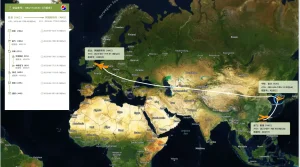
Seamless air cargo visibility across global airline systems, covering major airports including Jorge Chávez International (LIM).
Advanced platform combining carrier status updates, ocean container milestones, and dynamic logistics report builders.
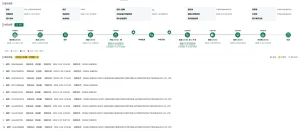
Clean, unified multi-carrier data inputs to supply chain operations for consistent, standardized global cargo visibility.
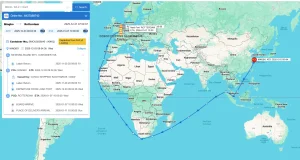
Reduce manual operations by leveraging automated updates detailing vessel movements and expected arrival timelines.
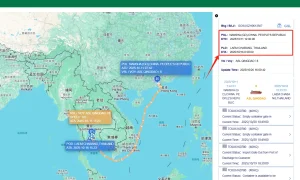
Our flagship data connectivity engine, linking global ocean shipping lines directly to local distribution networks.
Essential guidance on importing cargo, integrating tracking APIs, and solving customs challenges in the Peru market.
Connect with our logistics integration consultants to optimize your shipment visibility and lower your port handling costs.
Send Inquiry Now Trackingeyes