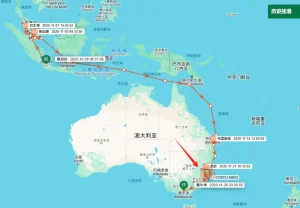
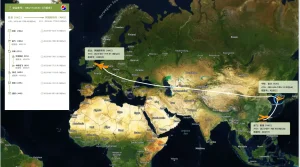
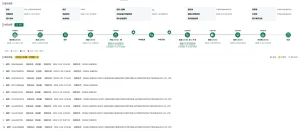
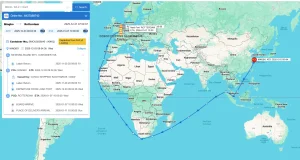
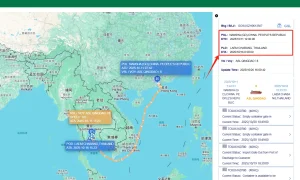
Enhance control, optimize container return times, and eliminate destination port operational failure.

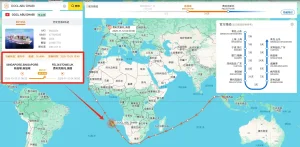
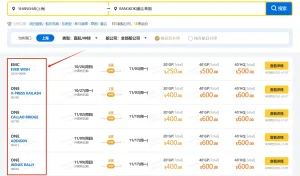
An in-depth analysis of supply chain predictability, regulatory navigation, and cost mitigation across South America’s largest consumer economy.
Operating supply chains in Brazil presents a highly complex environment for international trade. Often grouped under the term **"Custo Brasil" (the Cost of Brazil)**, logistics managers encounter a unique combination of structural bottlenecks, dense bureaucratic frameworks, and volatile transit times. Ports such as the Port of Santos, Port of Paranaguá, and Port of Itajaí frequently struggle with severe seasonal congestion due to agricultural export booms (soy, corn, sugar) which compete directly with containerized industrial imports.
Furthermore, Brazilian customs procedures under the Federal Revenue Service (**Receita Federal**) require meticulous documentation. Systems like **SISCOMEX** and the ongoing transition to **DUIMP** (Single Import Declaration) require precise data points. Any inconsistency between the commercial invoice, bill of lading (B/L), and actual vessel arrival metrics can lead to immediate red-channel selection, cargo inspection, and severe delays. In this ecosystem, having real-time visibility is not merely about tracking coordinates—it is a critical tool to prevent compounding demurrage, detention, and warehouse storage fees.
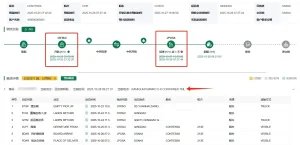
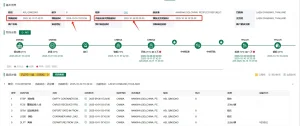
With modern visibility tools, companies can proactively coordinate customs clearances. Automated event updates on vessel location, carrier schedules, and terminal congestion indexes allow importers to initiate clearances *before* the vessel berths, converting reactive emergency logistics into a highly systematic operation.
Global enterprise sourcing departments need to guarantee production lines run smoothly while keeping working capital low. When parts are destined for major industrial hubs like the **Manaus Free Trade Zone (Polo Industrial de Manaus)** or automotive clusters in São Paulo and Paraná, a delayed container can halt assembly lines.
By leveraging high-performance ocean and air visibility, global procurement leaders gain a centralized dashboard to track multi-carrier schedules. Rather than manually checking individual carrier sites—often plagued by delayed database updates and discrepancies—procurement hubs can automatically stream standardized data straight into their enterprise ERP or TMS systems.
This level of integration ensures that when a vessel changes course or experiences delays at transshipment ports (such as Tangier, Algeciras, or Montevideo), downstream production schedules and safety stock requirements adjust dynamically.
Typical shipment tracking once relied solely on milestone updates sent manually by carrier agents. Our modern architecture utilizes three core technology pillars to deliver real-time data:
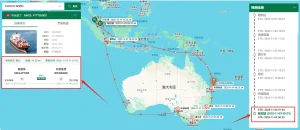
Continuous tracking of vessel locations, bypassing manual port agency reporting to ensure true visibility over coastal corridors.
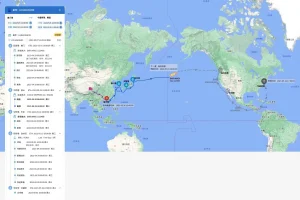
Automated APIs collect, clean, and standardize milestone updates from ocean, air, and rail carriers into a single feed.
AI models analyze historical transit paths, weather patterns, and terminal dwell times to predict actual ETA changes.
These technologies help resolve inconsistencies in carrier notifications. For instance, when a vessel is waiting at anchor outside Santos due to lack of berth space, the carrier's schedule may still show the container as "Arrived." Our API analyzes the vessel’s speed, heading, and harbor congestion history to calculate an accurate, actionable ETA.
Data sharing across borders requires strict adherence to privacy frameworks. In Brazil, the **Lei Geral de Proteção de Dados (LGPD)** regulates how tracking and logistics coordinates are handled when tied to identifiable personnel, truck drivers, or trade documents.
Our tracking solutions use enterprise-grade encryption and anonymized data pipelines to guarantee LGPD and GDPR compliance. Furthermore, our tracking feeds integrate directly with major ERP architectures—including SAP, Oracle, and Senior ERP (highly utilized by Brazilian industrial companies)—ensuring that shipment data stays clean, secure, and compliant.
Founded in 2015, Trackingeyes is a leading provider of global end-to-end logistics tracking and supply chain visualization solutions. With a founding team boasting over ten years of logistics expertise, we deeply understand industry pain points. We specialize in global end-to-end cargo tracking by sea and air, serving thousands of import and export enterprises worldwide. Our services include customizable tracking solutions and open API data interfaces to enhance supply chain visibility and operational efficiency.
The platform achieves full chain data coverage from the source to the terminal through the collection and aggregation of data sources, including logistics information from various data sources such as stations, terminal, customs, shipping companies, and airlines. Through the Trackingeyes’ Platform, customers can quickly connect with hundreds of global data sources, greatly improving the efficiency and intelligence of logistics tracking.

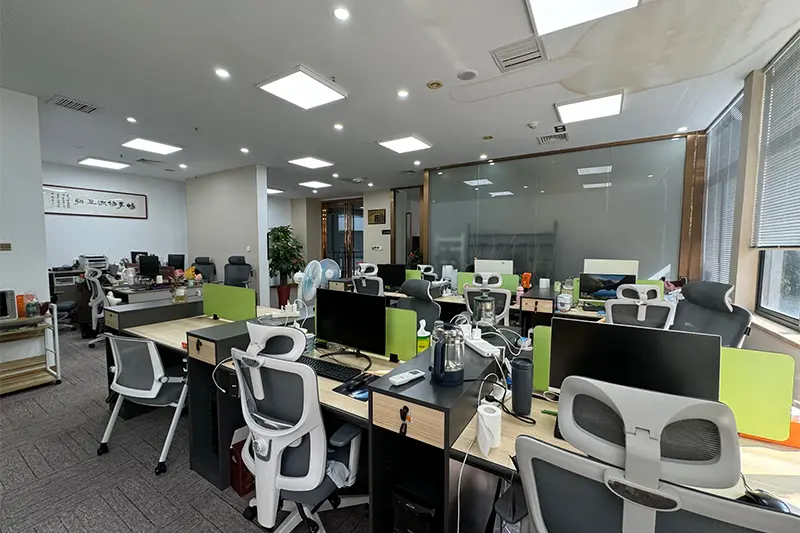

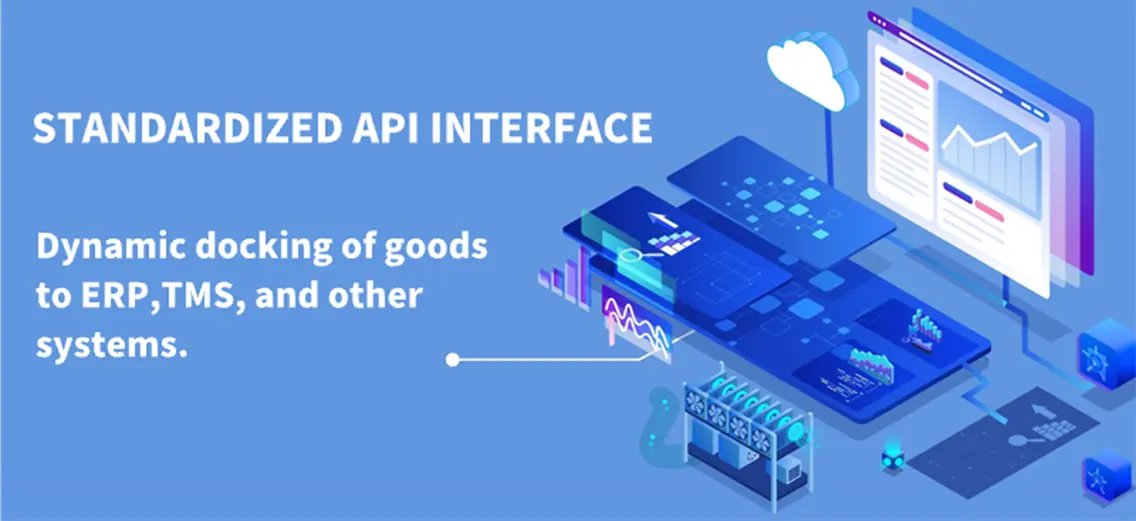 Through API interface integration, the dynamics of goods can be automatically written back to internal systems and customer service systems of the enterprise, assisting global logistics enterprises, supply chain enterprises, cross-border e-commerce enterprises, software platforms and other enterprises to achieve more efficient and refined goods tracking management, and to do risk control and prediction in advance.
Where maritime intelligence meets predictive logistics in South America and beyond.
As we look towards the next generation of maritime technology, tracking systems are shifting from descriptive monitoring to **prescriptive orchestration**. Over the next 24 months, Trackingeyes is piloting several key integrations designed to support the Latin American corridors:
Get answers to common queries regarding ocean cargo tracking, customs delays, and visibility solutions in Brazil.
Comprehensive APIs, tracking systems, and schedule intelligence engines tailored for global supply chains.
 Trackingeyes