Maximize operational compliance, track real-time container ETAs, and streamline dispatch protocols at key Middle East ports.

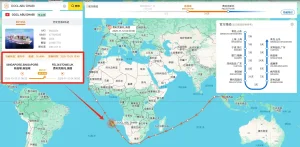
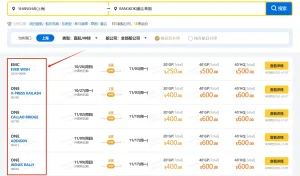
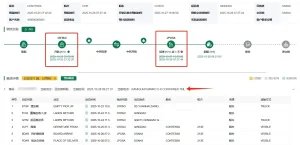
Under the ambitious framework of Saudi Vision 2030, the Kingdom of Saudi Arabia (KSA) is executing a comprehensive transformation to establish itself as a premier global logistics hub. Positioning itself at the geographic crossroads of Asia, Europe, and Africa, the Kingdom has focused heavy capital investment on optimizing port operations, expanding rail connectivity, and digitizing its customs clearing systems (e.g., FASAH and SABER platforms).
Major industrial centers such as Jubail, Yanbu, and the newly established King Abdullah Economic City (KAEC) represent massive manufacturing outputs, particularly in petrochemicals, steel, and heavy manufacturing. However, this level of industrial output requires seamless cross-border supply chain integration. The maritime lanes through the Red Sea and the Arabian Gulf demand hyper-accurate tracking solutions to coordinate the arrival of raw material inputs and outbound finished goods.
Logistics networks are transitioning from passive reporting (post-event notifications) to real-time predictive analytics. This change is driven by the necessity for modern enterprises to control detention and demurrage charges and avoid out-of-stock events at the destination.
With geopolitical shifts affecting the Bab-el-Mandeb strait and the Arabian Sea, routing decisions have become highly dynamic. Supply chains importing to Saudi ports like King Abdulaziz Port in Dammam or Jeddah Islamic Port require automatic alert systems for route changes, blank sailings, and unexpected transshipment deviations.
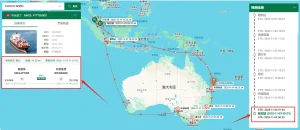
By adopting high-frequency AIS signals and automated air freight API tracking systems, multinational procurers can build risk mitigation workflows before vessels enter potentially congested waters.
As China pushes forward with the Industrial Internet of Things (IIoT) under its Factory 4.0 initiatives, manufacturing processes are increasingly unified with outbound transport chains. Raw manufacturing operations in Chinese manufacturing hubs—such as Ningbo, Shenzhen, and Shanghai—are no longer siloed from logistics. Modern factory management systems now automatically tie production schedules to carrier container allocation and immediate vessel bookings.
This high level of coordination offers significant resilience benefits for Saudi buyers. By tracking Chinese Factory 4.0 export processes, importers in Riyadh or Dammam can view assembly milestones alongside maritime AIS tracking, ensuring complete visibility from production run to final container delivery.
1. High volume bilateral trade corridors demand predictive customs declaration preparation.
2. Factory-level serialization linked directly to cargo manifests prevents packing list mistakes before ship loading.
3. Real-time dynamic scheduling prevents container demurrage fees at high-density terminals like Dammam.
To successfully execute delivery within Saudi Arabia, logistics partners must address local regulations and environmental constraints. Below are three operational scenarios illustrating the deployment of tracking services:
Automated real-time AIS triggers send import documents to KSA customs systems (FASAH) 48 hours prior to vessel arrival at Jeddah Islamic Port, shortening terminal residence times to less than 12 hours.
Tracking temperature-controlled reefer cargo moving across Saudi-UAE borders via land corridors. Active GPS alerts trigger the moment a vehicle halts near customs checkpoints.
Petrochemical plants monitoring dry bulk carrier ETA to align automated processing machinery with inbound raw mineral shipments, reducing raw material storage costs.
Founded in 2015, Trackingeyes is a leading provider of global end-to-end logistics tracking and supply chain visualization solutions. With a founding team boasting over ten years of logistics expertise, we deeply understand industry pain points. We specialize in global end-to-end cargo tracking by sea and air, serving thousands of import and export enterprises worldwide. Our services include customizable tracking solutions and open API data interfaces to enhance supply chain visibility and operational efficiency.
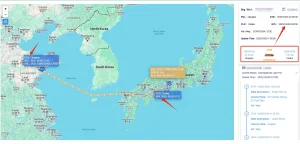
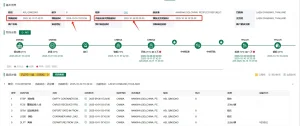
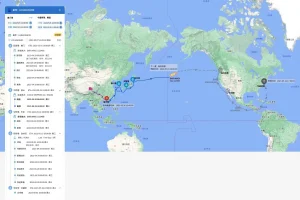
The platform achieves full chain data coverage from the source to the terminal through the collection and aggregation of data sources, including logistics information from various data sources such as stations, terminal, customs, shipping companies, and airlines. Through the Trackingeyes’ Platform, customers can quickly connect with hundreds of global data sources, greatly improving the efficiency and intelligence of logistics tracking. Through API interface integration, the dynamics of goods can be automatically written back to internal systems and customer service systems of the enterprise, assisting global logistics enterprises, supply chain enterprises, cross-border e-commerce enterprises, software platforms and other enterprises to achieve more efficient and refined goods tracking management, and to do risk control and prediction in advance.



Unlock end-to-end visibility with our trusted tracking platform. We bring proven reliability to both ocean and air cargo tracking, giving you the accurate data and control needed to streamline operations from port to runway.
Contact us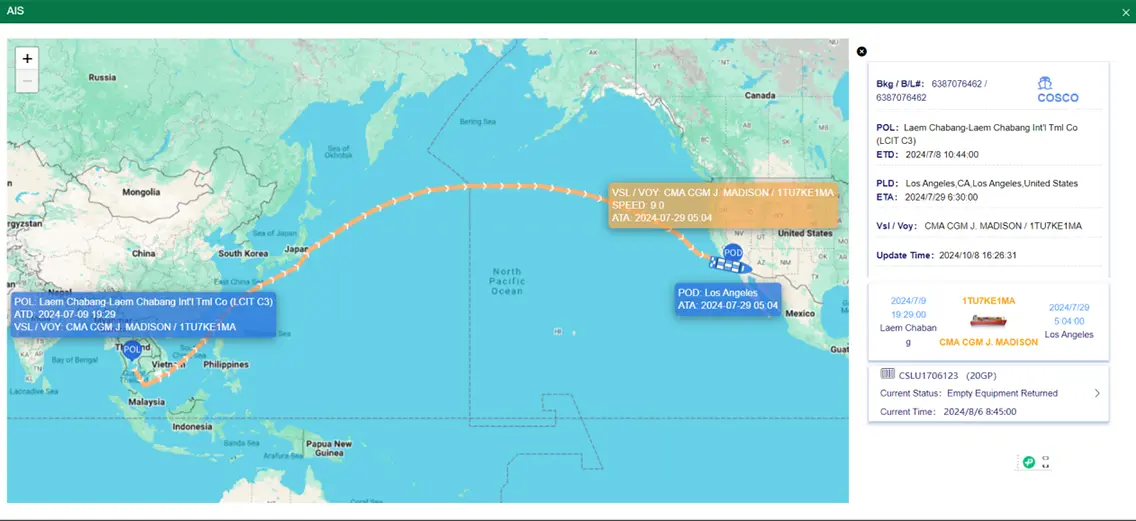
"Through API interface integration, the dynamics of goods can be automatically written back to internal systems and customer service systems of the enterprise, assisting global logistics enterprises to do risk control and prediction in advance."
Get answers to the most common questions regarding Saudi import regulations, tracking technologies, and system integrations.
Select from our complete range of specialized tracking tools, sailing schedules APIs, and vessel AIS services optimized for Saudi logistics operators.
 Trackingeyes