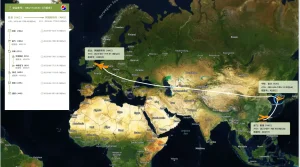
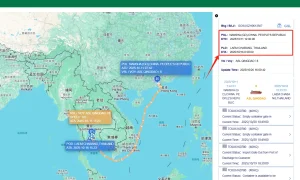
Explore our top-tier tracking products tailored to optimize ocean and air logistics for Mumbai's industrial hubs.
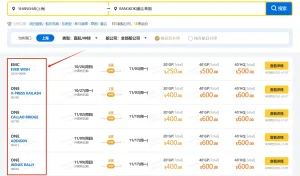
An in-depth analysis of India's commercial capital and its critical maritime gateways.
Mumbai, often referred to as the financial capital of India, serves as the primary gateway for international trade in South Asia. The region houses two of the country's most critical maritime gateways: the Jawaharlal Nehru Port Authority (JNPA/JNPT) at Nhava Sheva and the historic Mumbai Port Trust (MbPT). Together, these ports handle a massive share of India's containerized cargo, linking the industrial corridors of Maharashtra, Gujarat, and the landlocked northern states to global markets in Europe, the Middle East, and the Americas.
However, operating within this high-volume environment presents unique logistical challenges. Port congestion, customs delays, monsoon disruptions, and complex inland transport networks frequently lead to unpredictable supply chain bottlenecks. For manufacturers, freight forwarders, and cargo owners in Mumbai, having access to precise, real-time shipment tracking services is no longer a luxury—it is a operational necessity to mitigate risks and control costs.
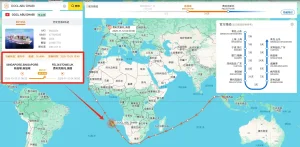
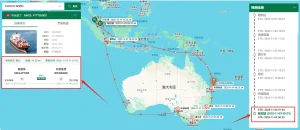
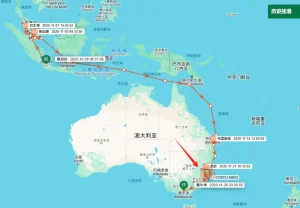
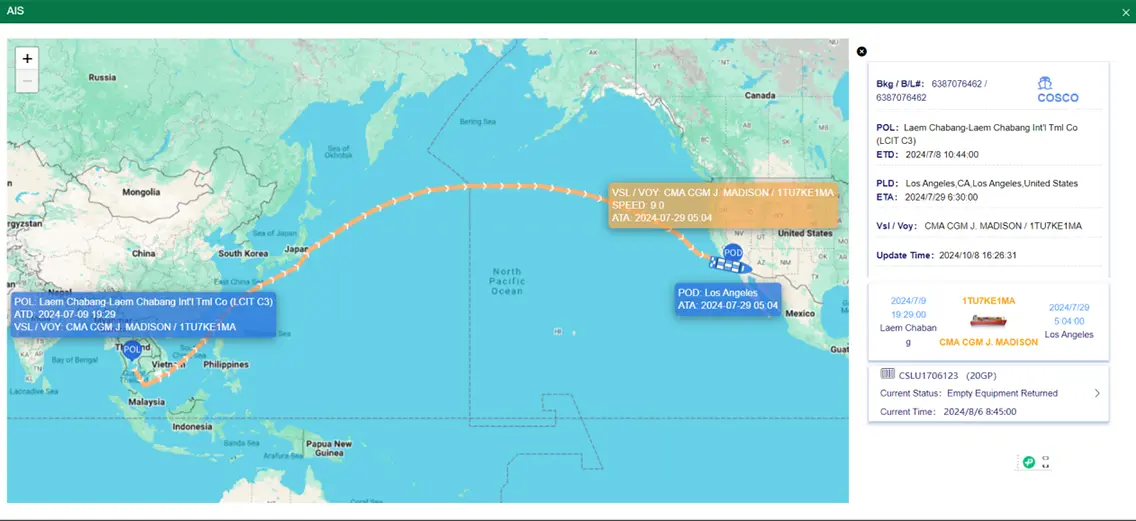
By implementing advanced AIS (Automatic Identification System) tracking, geofencing, and automated milestone alerts, Trackingeyes provides logistics managers in Mumbai with actionable insights. Instead of relying on manual carrier updates, our platform delivers real-time data directly from vessels and port terminals. This enables proactive decision-making: if a vessel is delayed due to weather in the Arabian Sea, importers can reschedule local transport, saving thousands of rupees in idle truck fees and warehouse storage costs.
How Trackingeyes integrates multiple data streams to deliver unmatched visibility.
We combine terrestrial and satellite AIS signals to track ocean vessels continuously, even in remote ocean corridors far from the coast.
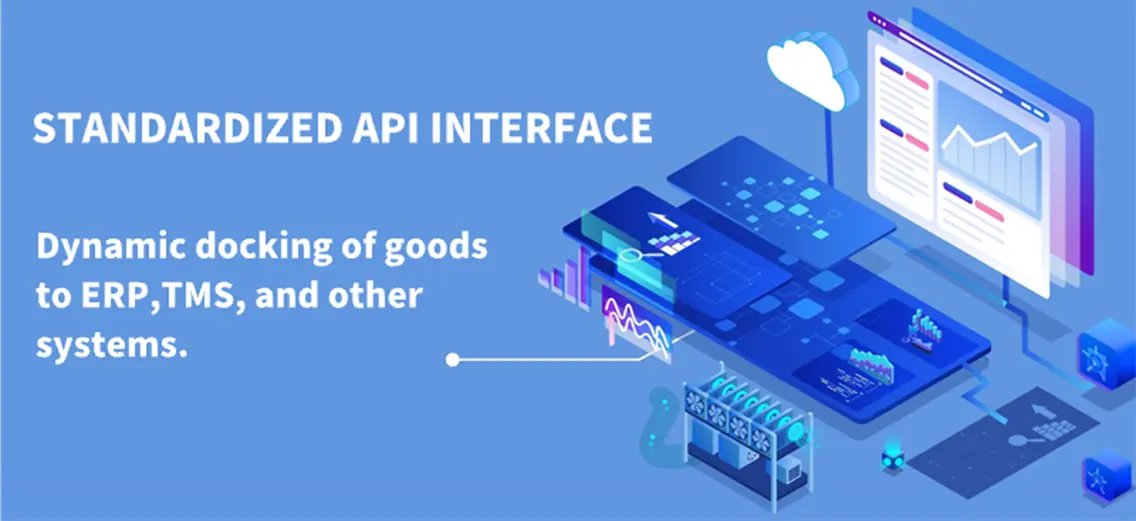
Seamlessly feed tracking milestones directly into your existing ERP (SAP, Oracle, or custom systems) via our developer-friendly REST APIs.
Our machine learning algorithms analyze historical port congestion, weather patterns, and vessel speeds to calculate highly accurate ETAs.
A leading provider of global end-to-end logistics tracking and supply chain visualization solutions.
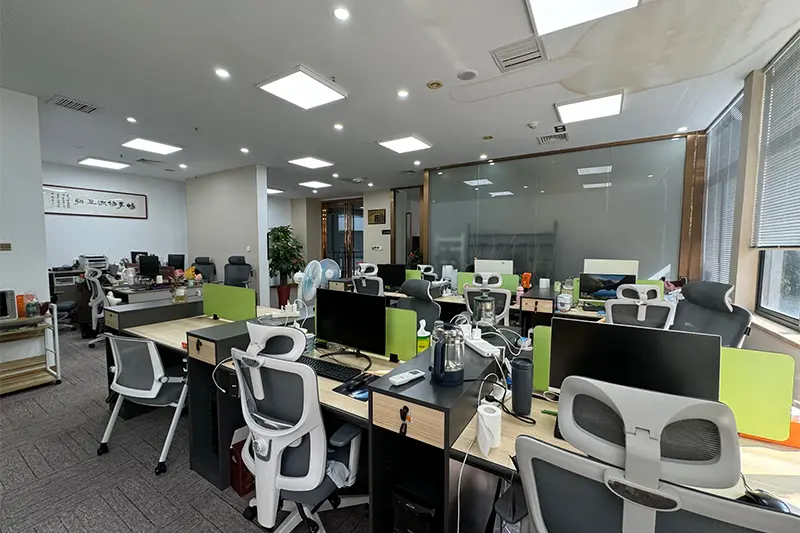
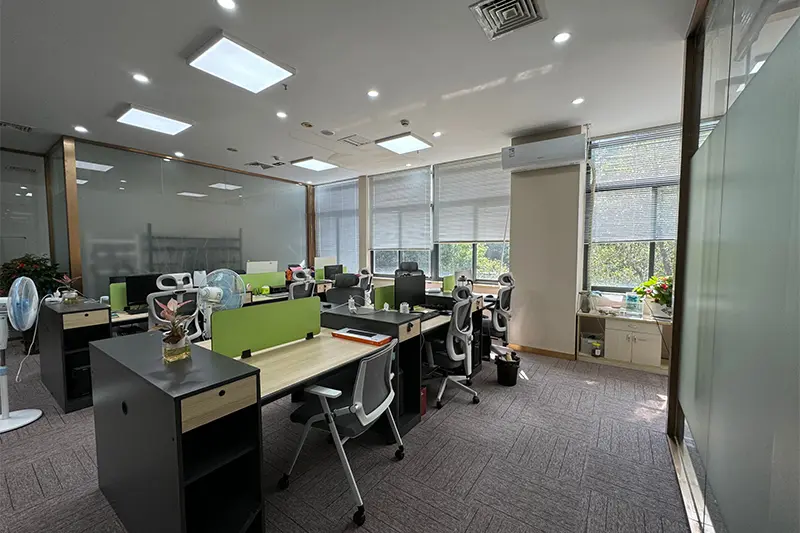
Founded in 2015, Trackingeyes deeply understands industry pain points with a founding team boasting over ten years of logistics expertise. We specialize in global end-to-end cargo tracking by sea and air, serving thousands of import and export enterprises worldwide. Our services include customizable tracking solutions and open API data interfaces to enhance supply chain visibility and operational efficiency.
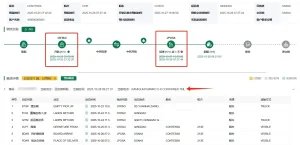
The platform achieves full chain data coverage from the source to the terminal through the collection and aggregation of data sources, including logistics information from various data sources such as stations, terminals, customs, shipping companies, and airlines. Through the Trackingeyes’ Platform, customers can quickly connect with hundreds of global data sources, greatly improving the efficiency and intelligence of logistics tracking.
Through API interface integration, the dynamics of goods can be automatically written back to internal systems and customer service systems of the enterprise, assisting global logistics enterprises, supply chain enterprises, cross-border e-commerce enterprises, software platforms and other enterprises to achieve more efficient and refined goods tracking management, and to do risk control and prediction in advance.
Staying ahead of the curve with next-generation tracking technologies.
The global logistics industry is undergoing a massive digital transformation. Traditional tracking methods, which relied on manual phone calls, emails, and fragmented carrier websites, are rapidly being replaced by automated, real-time data streams. Today, global supply chains demand "single source of truth" visibility. This shift is driven by the need to reduce operational waste, optimize inventory levels, and meet the rising expectations of end customers who demand Amazon-like tracking transparency for B2B shipments.
At Trackingeyes, we are continuously expanding our capabilities to support the future of logistics. Our roadmap includes the integration of blockchain technology for secure, tamper-proof documentation sharing, advanced AI models to predict port dwell times based on labor strikes or equipment shortages, and expanded coverage of regional inland transport networks across developing markets, including India's growing rail freight corridors.
Comprehensive tracking services, APIs, and management tools for global logistics operations.
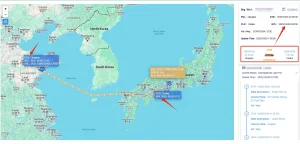
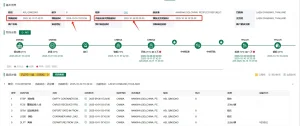
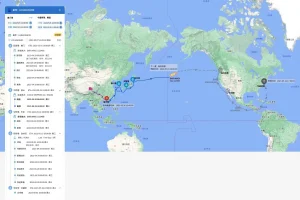
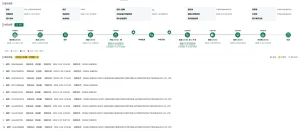
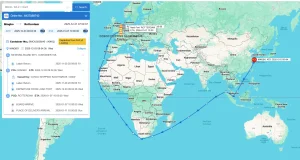
How different sectors in the Mumbai Metropolitan Region leverage our tracking intelligence.
Mumbai is a major hub for pharmaceutical manufacturing and export, with numerous facilities located in Thane, Navi Mumbai, and neighboring Gujarat. Temperature-sensitive vaccines and medications exported via Mumbai Air Cargo Complex require continuous monitoring. Our tracking solutions integrate real-time temperature logs with flight status updates, ensuring that any deviation in cargo environment is flagged immediately, preventing costly product spoilage.
The Pune-Chakan-Mumbai industrial belt is one of India's largest automotive clusters. Just-in-time (JIT) manufacturing requires auto parts imported from global suppliers to arrive exactly when needed. Our sailing schedule APIs and predictive ETA engines allow automotive manufacturers to coordinate port pick-ups at JNPT with precision, minimizing factory downtime and reducing local warehousing costs.
For fast-moving consumer goods (FMCG) and retail brands importing through Mumbai ports, managing inventory levels during peak seasons (like Diwali) is critical. Real-time container tracking helps retail logistics teams monitor transit milestones, coordinate customs clearance, and plan distribution to warehouses across India, ensuring products hit store shelves on time.
Find answers to common queries regarding shipment tracking services in Mumbai.
 Trackingeyes