Deploying specialized global cargo visibility systems optimized for Afghan transshipment and cross-border corridors.

Prevent transit disruptions at Pakistani ports and Central Asian checkpoints. Mitigate border cargo failures with proactive alert systems.
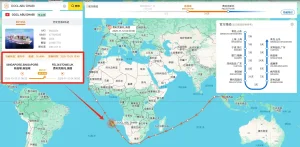
Track maritime legs through Indian Ocean channels feeding directly into overland transit highways to Herat, Kabul, and Mazar-i-Sharif.
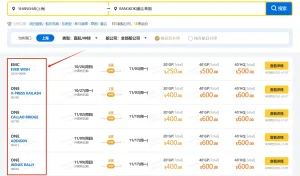
Minimize cross-border transit logistics fees. Automatically pair ocean routing plans with regional overland trucking rates.
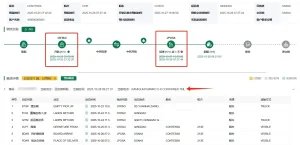
Predictable arrival estimations across rugged trans-regional land routes using AI algorithms and satellite telemetry.
Connecting your landlocked supply chain to the world's major shipping networks.
Analyzing challenges, structural corridors, and visibility models for landlocked transshipments.
As a landlocked nation at the crossroads of Central Asia, South Asia, and the Middle East, Afghanistan represents a complex logistical challenge. The domestic economy relies heavily on transshipment corridors routing through neighboring states. Historically, the primary import routes utilize the Port of Karachi (Pakistan) moving inland via the Torkham and Chaman border crossings. However, emerging regional dynamics have elevated alternative routes, such as the Port of Chabahar and Bandar Abbas (Iran) routing through Dogharoun/Islam Qala, as well as the Northern Corridor rail linkages from China through Kazakhstan, Uzbekistan, and Kyrgyzstan, crossing the Amu Darya river at Hairatan.
Trackingeyes provides unified dashboard monitoring across these corridors. By combining ocean carrier AIS telemetry with domestic GPS telematics and customs clearing data feeds, we construct a continuous supply chain pipeline. This system offers real-time status updates even when containers exit high-security ports and transition to regional land freight networks.
To deliver reliable shipment tracking in regions with varying network coverage, Trackingeyes utilizes a multi-layered data integration model:
For companies trading with Afghanistan, demurrage and detention charges at the transshipment ports represent a significant financial risk. Delays in document validation, border congestion, and customs clearance procedures can quickly generate substantial costs.
Trackingeyes addresses this issue with automated milestone tracking and early alert systems. By notifying logistics departments before a container reaches the port or border terminal, our platform enables teams to coordinate clearance paperwork, check customs declarations, and arrange local transport in advance.
Connecting smart Chinese manufacturing hubs to the developing markets of Central Asia.
China remains a key exporter of machinery, textiles, electronics, and construction supplies to Afghanistan. The integration of Factory 4.0 technologies within Chinese industrial zones has reshaped cross-border trade. Automated manufacturing plants synchronize production schedules directly with logistics dispatch systems.
By integrating Trackingeyes APIs directly into Chinese ERP environments, manufacturers gain visibility from the factory floor to the final inland port in Afghanistan.



Your Global Partner for Supply Chain Visibility and Logistics Control
Founded in 2015, Trackingeyes is a leading provider of global end-to-end logistics tracking and supply chain visualization solutions. With a founding team boasting over ten years of logistics expertise, we deeply understand industry pain points. We specialize in global end-to-end cargo tracking by sea and air, serving thousands of import and export enterprises worldwide. Our services include customizable tracking solutions and open API data interfaces to enhance supply chain visibility and operational efficiency.
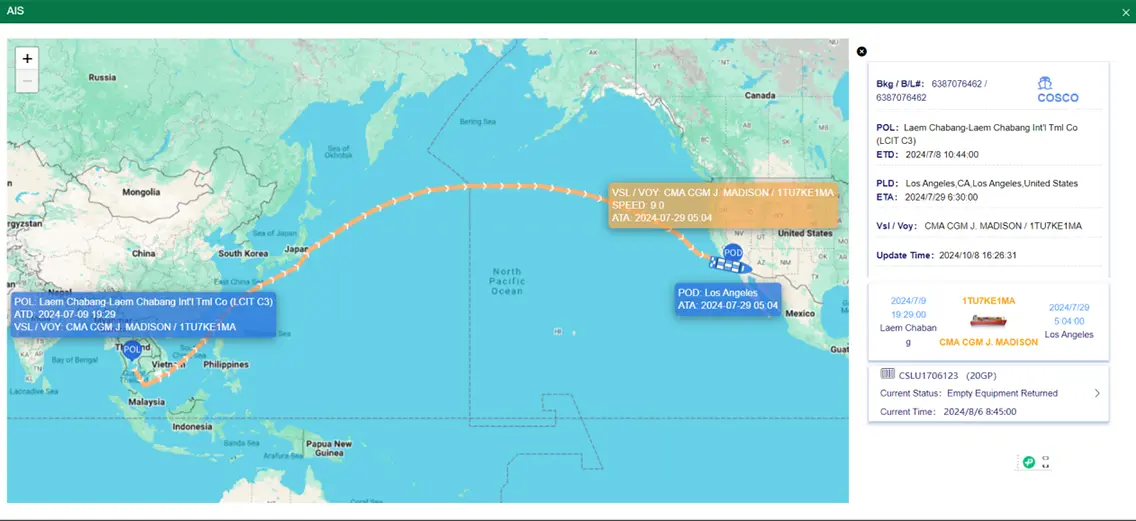
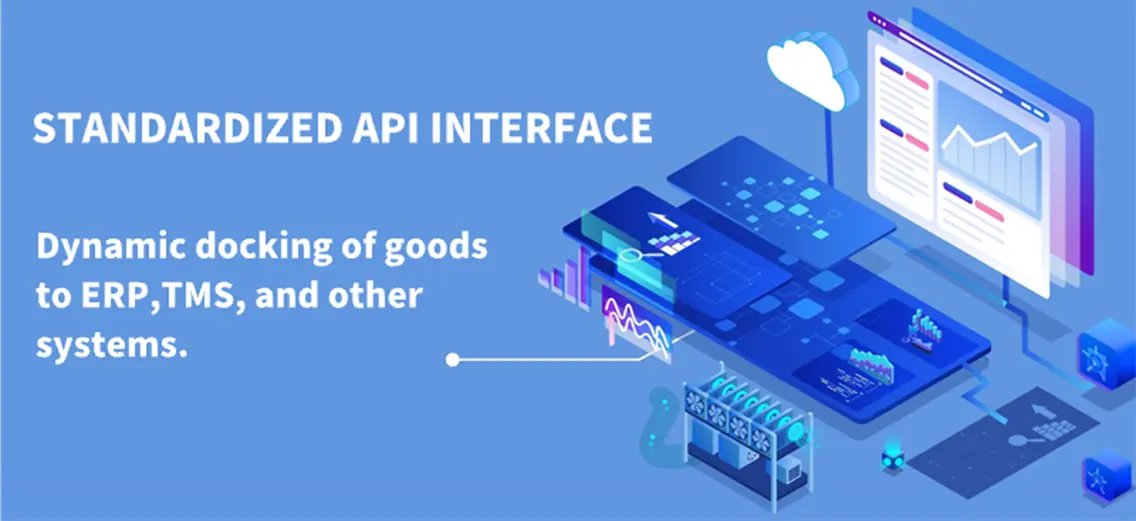
Through API interface integration, the dynamics of goods can be automatically written back to internal systems and customer service systems of the enterprise, assisting global logistics enterprises, supply chain enterprises, cross-border e-commerce enterprises, software platforms and other enterprises to achieve more efficient and refined goods tracking management, and to do risk control and prediction in advance.
Select from our range of ocean, air, and multimodal logistics tools built for regional trade corridors.
Integrate real-time shipping timetables directly into your enterprise ERP, ensuring smooth handoffs to overland cargo operators.
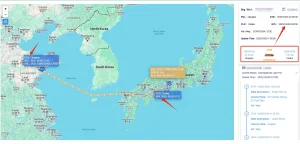
Connect custom cargo tracking dashboards directly to logistics management systems for unified transit oversight.
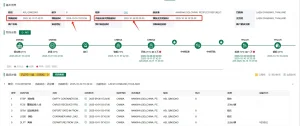
Predictive modeling engines designed to calculate staging times, helping shippers avoid detention penalties at transshipment points.
Track container movements across regional rail hubs feeding into Hairatan and Northern Afghanistan trade terminals.
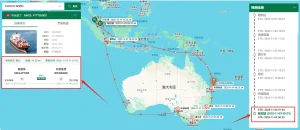
Understand how high-frequency AIS vessel feeds prevent delays in cargo routing to regional transshipment hubs.
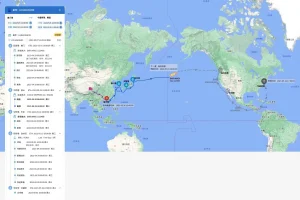
Receive automatic alerts on gate openings and shipping deadlines to minimize demurrage and optimize cross-border schedules.
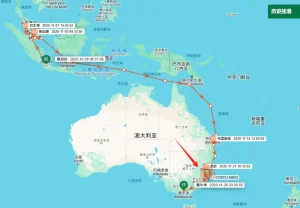
Track ocean freight using real-time maps and visual status feeds, keeping your ground transportation partners updated.
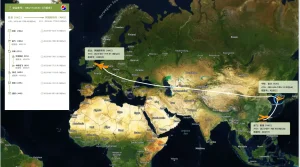
Track urgent air cargo shipments from global export hubs straight to Afghanistan airports through automated AWB updates.
How Trackingeyes ensures reliability under complex regulatory and geography constraints.
Our tracking solutions address specific local challenges in Afghanistan logistics:
Answers to technical and operational questions regarding Afghan import-export tracking.
Our platform uses a multi-modal tracking approach. Once container cargo is discharged at ports like Karachi, Gwadar, or Bandar Abbas, tracking transitions from maritime AIS monitoring to overland logistics tracking. We integrate tracking data from regional trucking fleet partners, border customs API feeds (such as WebOC in Pakistan), and GPS devices to provide continuous updates up to the final destination in Afghanistan.
Yes. Trackingeyes sends automatic notifications when containers approach the port of discharge. This allows logistics teams to coordinate customs clearance documentation in advance, accelerating transit times and helping to avoid demurrage and detention charges.
Yes, our APIs use RESTful architecture and support JSON format, making them compatible with SAP, Oracle, Microsoft Dynamics, and custom-built local logistics management systems.
When active signals drop, our ETA engine uses historical transit durations along specific routes, factoring in border delays and checkpoint logs, to estimate the container's progress until the tracking device reconnects.
Get in touch with our experts to discuss custom API integrations and service quotes for the Central Asian market.
 Trackingeyes