Optimize initial import legs and eliminate yard delays with our core real-time tracking solutions, fully localized for North Italian corridors.

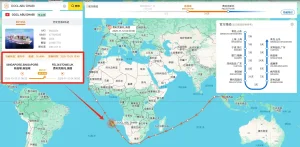
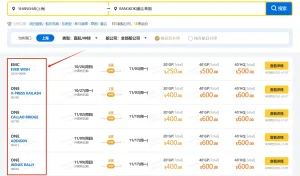
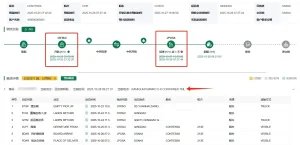
As the economic powerhouse of Italy, Milan represents a major nerve center in European multi-modal logistics. The Lombardy region is home to thousands of high-end manufacturing, automotive, fashion, pharmaceuticals, and machinery exporters that rely heavily on complex supply chains. Shipments arriving through the major gateways of Genoa, La Spezia, and Trieste, as well as the Milan Malpensa (MXP) Airport cargo hub, must transition smoothly through congested inland corridors. Efficient intermodal transportation is the lifeblood of the region, utilizing key terminals like Busto Arsizio-Gallarate to link northern Italy to Central and Northern Europe.
However, high-frequency trade corridors expose Milanese enterprises to severe operational volatility. Factors such as ocean carrier delays, customs delays at Italian entry points, and sudden rail terminal congestion can trigger substantial financial penalties and interrupt production schedules. In the high-stakes manufacturing and luxury fashion industries, a delay of just a few hours can disrupt retail launches or halt automotive assembly lines. Utilizing advanced Shipment Tracking Services is no longer just a digital option; it has become a fundamental operational safeguard for maintaining local competitiveness in global markets.
Continuous monitoring of incoming ocean freight from the Ligurian sea ports (Genoa and La Spezia) directly into the Milan Metropolitan inland terminals.
High-resolution monitoring of air cargo shipments handling high-value luxury fashion, electronics, and priority components from Asian hubs.
Real-time node tracking for trans-European rail freight routes converging at Milan's central cargo yards, providing precise arrival alerts.
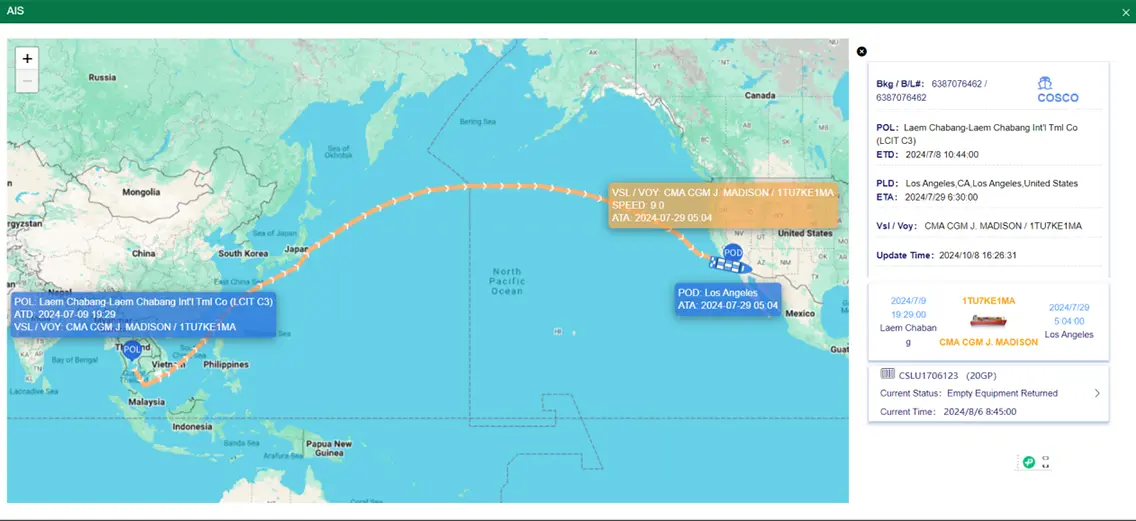
The future of logistics tracking lies in moving beyond reactive milestone updates (like port departure/arrival stamps) and transitioning to dynamic, predictive, and sensor-driven events. Modern digital supply chain operations leverage AIS (Automatic Identification System) vessel telemetry, IoT sensor integration, and machine learning models to calculate true estimated time of arrival (ETA). By using environmental sensors embedded within container units, shippers receive real-time updates regarding location, temperature, humidity, shock, and container door status.
At Trackingeyes, our engineering roadmap focuses on consolidating disparate carrier, customs, and port data feeds into a unified API. Our platform uses advanced natural language processing (NLP) and machine learning algorithms to auto-match container IDs with vessel schedules and historic transit times. This predictive modeling allows manufacturers to forecast potential port bottlenecks, terminal gate delays, and customs holds up to 7 days before the vessel arrives.
ETA Prediction Accuracy
Global Data Integrations
Containers Monitored
API Query Response Time
Modern manufacturing requires seamless synchronization. Italian manufacturers importing industrial components, mechanical parts, and electronics from China rely on the steady operation of Sino-European trade corridors. Under the Factory 4.0 paradigm, physical production lines are dynamically coupled with cloud-based logistics flows. If an outbound container from a Chinese factory is delayed at the Shanghai or Ningbo-Zhoushan port, the receiving manufacturing facility near Milan must know instantly to adjust production scheduling and component sourcing.
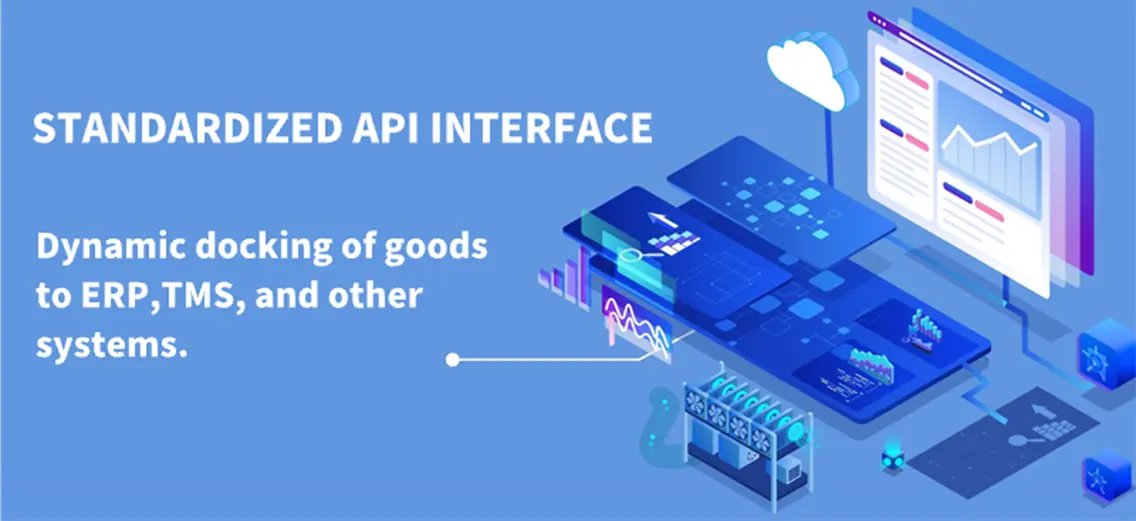
By integrating Trackingeyes API solutions directly into the ERP systems of industrial plants, companies can build predictive resilience. The instant a container deviates from its port gate-in window or experiences a vessel delay, the ERP automatically alerts production managers, logistics coordinators, and customer service teams. This allows manufacturers to mitigate the risk of stockouts and assembly line stops, transforming tracking from a passive utility into a strategic business continuity asset.
Our macro-industry solutions address the diverse regulatory and geographic requirements of Southern European trade routes. We provide deep localization support tailored to Italian customs systems and global cargo requirements:
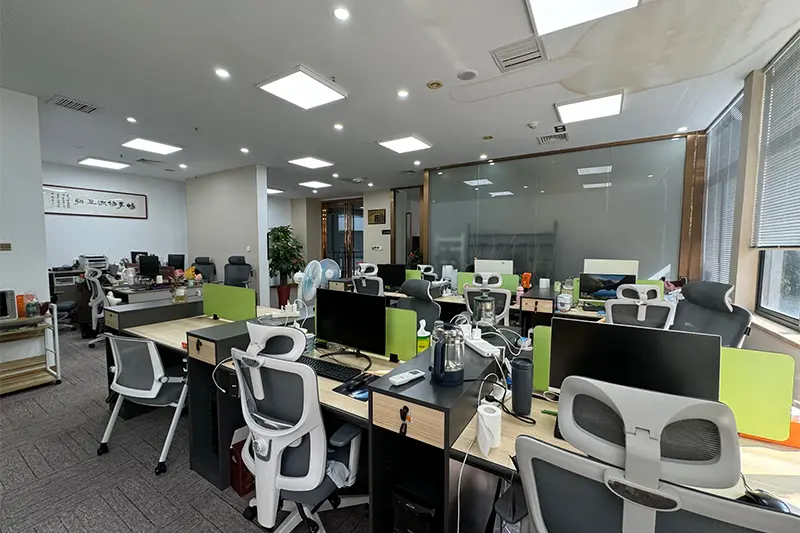
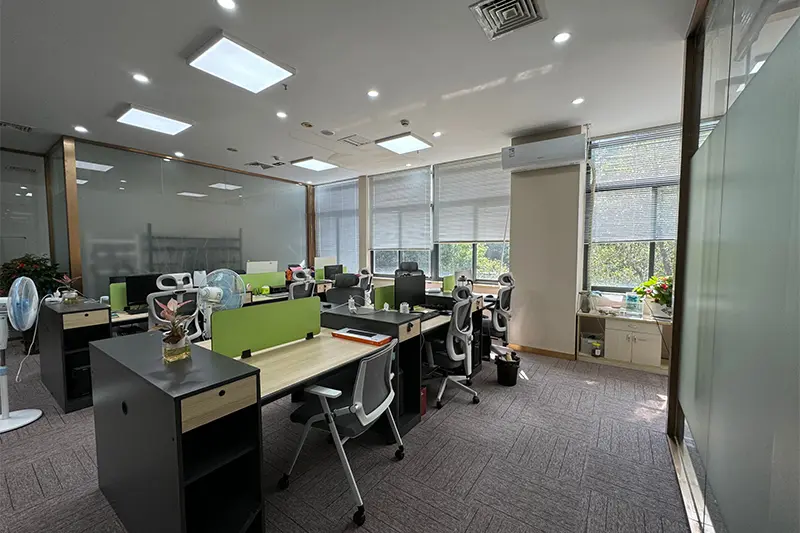
Founded in 2015, Trackingeyes is a leading provider of global end-to-end logistics tracking and supply chain visualization solutions. With a founding team boasting over ten years of logistics expertise, we deeply understand industry pain points. We specialize in global end-to-end cargo tracking by sea and air, serving thousands of import and export enterprises worldwide. Our services include customizable tracking solutions and open API data interfaces to enhance supply chain visibility and operational efficiency.
The platform achieves full chain data coverage from the source to the terminal through the collection and aggregation of data sources, including logistics information from various data sources such as stations, terminals, customs, shipping companies, and airlines. Through the Trackingeyes’ Platform, customers can quickly connect with hundreds of global data sources, greatly improving the efficiency and intelligence of logistics tracking.
Through API interface integration, the dynamics of goods can be automatically written back to internal systems and customer service systems of the enterprise, assisting global logistics enterprises, supply chain enterprises, cross-border e-commerce enterprises, software platforms and other enterprises to achieve more efficient and refined goods tracking management, and to do risk control and prediction in advance.
Technical clarifications on data latency, API customization, and European localized logistics support.
Seamlessly integrate multi-modal global visibility APIs, ocean freight AIS, and automated ETA management tools.
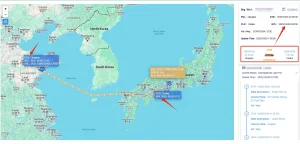
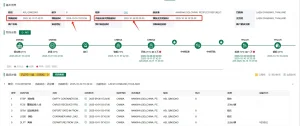
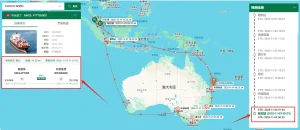
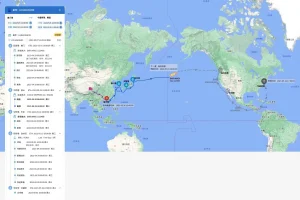
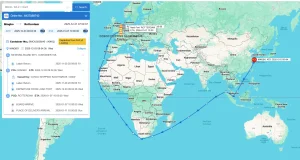
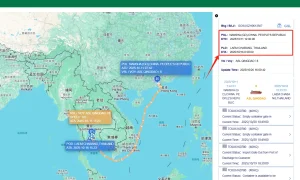
Integrate our carrier-independent API with your enterprise logistics platform to start tracking shipments across Ligurian corridors in minutes.
Send Inquiry Now Trackingeyes