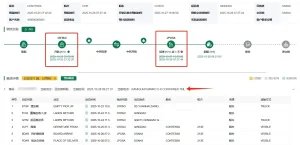
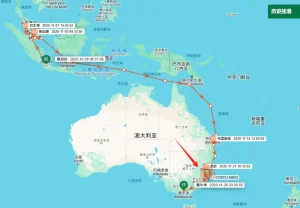
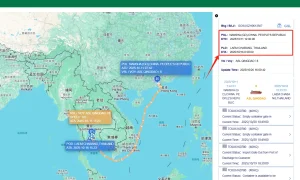
Minimize transit uncertainty and eliminate demurrage at Port Victoria with our real-time visibility solutions.
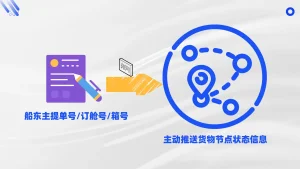
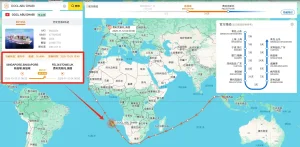
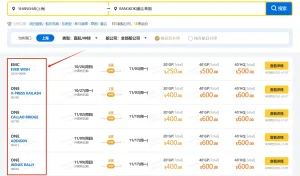
An in-depth analysis of maritime dependency, tracking latency mitigation, and global supply chain integration serving the Republic of Seychelles.
The Republic of Seychelles, an archipelago of 115 islands in the western Indian Ocean, represents a highly specialized logistics environment. With over 90% of its consumer goods, energy products, tourism inventory, and construction materials imported primarily through Port Victoria, the country's economic vitality is intrinsically linked to shipping predictability. Maritime transport is the absolute lifeblood of the nation, yet its isolation presents unique logistical headwinds.
Most containerized cargo bound for Seychelles must pass through key transshipment hubs like Port Louis (Mauritius), Colombo (Sri Lanka), or Salalah (Oman). Transshipment introduces severe vulnerabilities: missed feeder vessel connections, arbitrary customs clearance delays, and fluctuating dwell times. In a region where container dwell times can exceed 10 to 15 days without digital oversight, local enterprises face systemic stockouts or exorbitant demurrage and detention (D&D) penalties at destination.
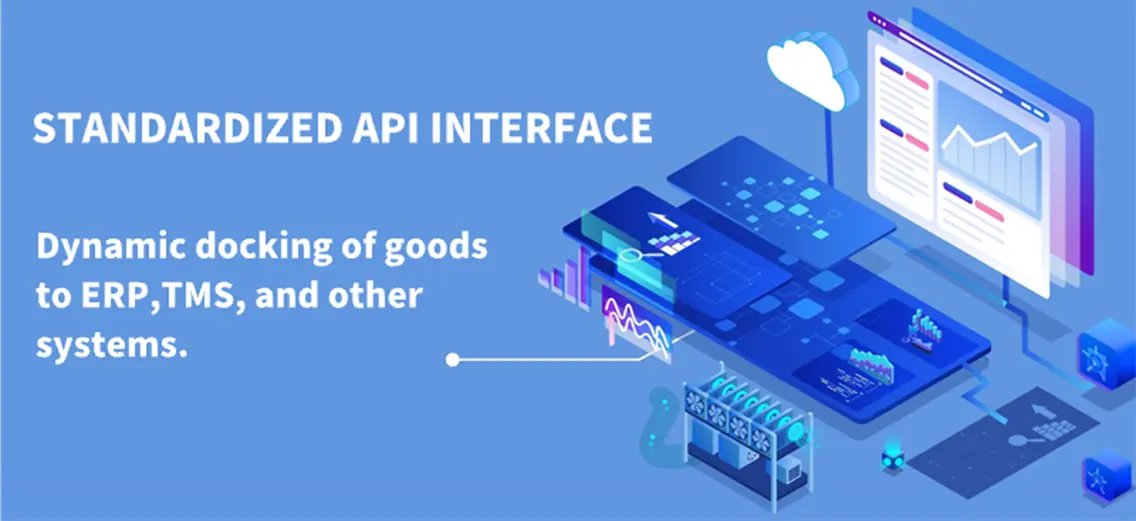
International buyers and logistics managers require more than static point-in-time tracking. Modern procurement workflows demand dynamic, API-driven data integration that provides continuous updates on container positions, oceanic weather hazards, and terminal congestion indexes.
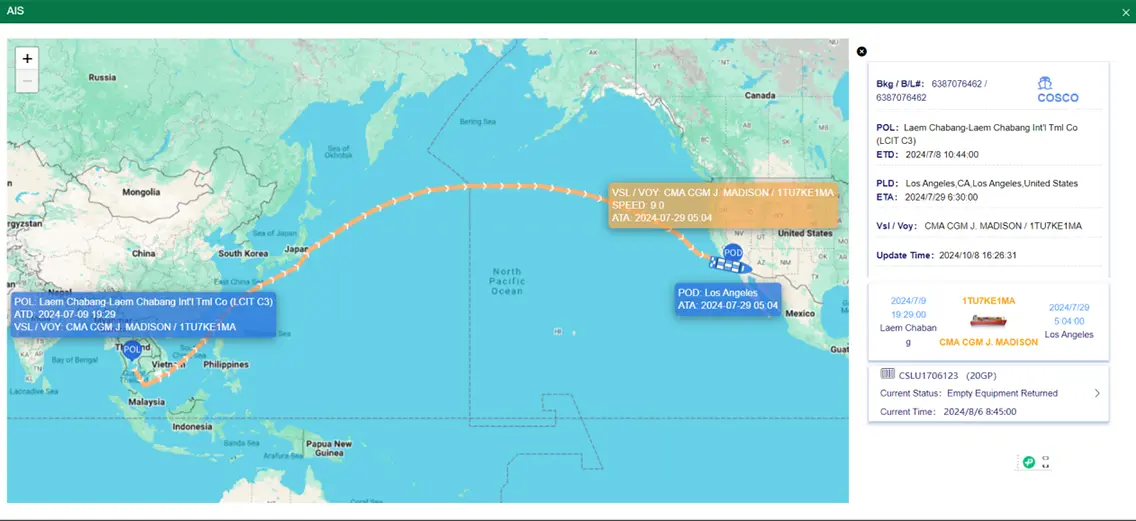
To meet these high standards, tracking systems must integrate multi-source data feeds, combining terrestrial AIS (Automatic Identification System), satellite tracking, carrier electronic data interchanges (EDIs), and terminal operational reports. When global organizations source raw materials, they look for suppliers capable of providing a transparent digital paper trail from the factory floor to the final berth at Port Victoria.
How intelligent manufacturing and automated end-to-end tracking secure the supply corridor to the Indian Ocean.
As China transitions to the Factory 4.0 paradigm, the concept of manufacturing has expanded beyond raw production. Today, Chinese factories operate as hyper-connected nodes in a global supply web. Through automated scheduling, IoT sensor deployment, and direct cloud API integrations, the export process is synchronized with maritime logistics from the moment an order is confirmed.
For Seychellois importers purchasing construction materials, heavy machinery, or retail commodities from Chinese manufacturing hubs, this means unprecedented reliability. Factory 4.0 plants integrate packaging lines directly with container tracking systems. This allows real-time monitoring of loading cycles, container sealing, and port dispatch times in Shanghai, Ningbo, or Shenzhen.
By leveraging automated AIS tracking and advanced port alerts, suppliers can identify potential bottlenecks at transshipment points early. If a vessel bound for the Indian Ocean is delayed due to regional congestion or meteorological hazards, the Factory 4.0 digital twin platform automatically reschedules cargo or prompts the logistics provider to secure an alternative feeder vessel. This level of supply chain resilience ensures that critical projects in Mahé, Praslin, and La Digue stay on track.
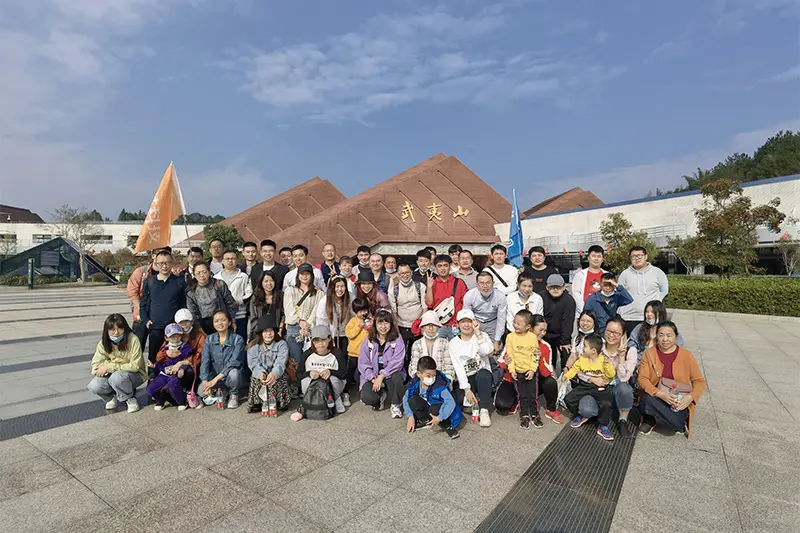
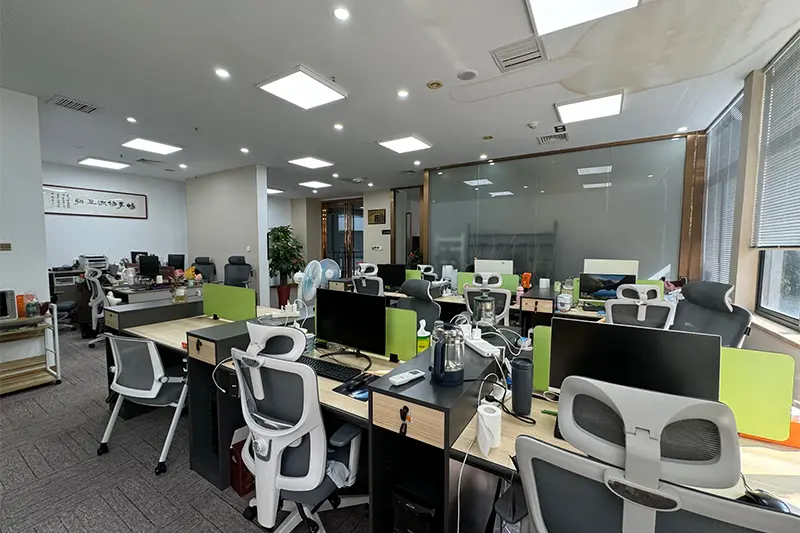
Bridging global technology with local operational realities in the Indian Ocean.
Building five-star luxury resorts on remote granitic islands requires strict scheduling. Concrete components, timber, and high-end fit-out materials must arrive in sequence. A two-week delay for a container containing essential structural glass can halt construction crews and incur costly site delays.
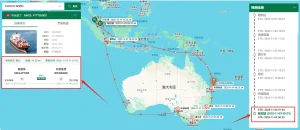
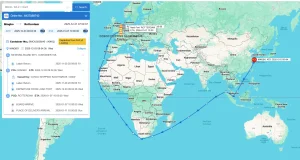
By implementing Trackingeyes' Sailing Schedule API and Automated ETA alerts, contractors in Mahé can coordinate directly with international suppliers. The system automatically sends alerts when cargo is transshipped at Port Louis, allowing managers to plan labor and crane availability at the site, reducing project overheads by up to 20%.
For the Seychellois tourism industry, fresh food imports are essential. Refrigerated containers (reefers) holding temperature-sensitive products must be cleared and picked up from Port Victoria immediately upon discharge. Any delay in customs clearance or failure to coordinate pick-up results in high electricity costs, port storage fees, or food spoilage.
Our Port Opening Alert & Cut-off Tracking system provides local distributors with immediate notification when the vessel enters the outer anchorage area of Port Victoria. This early warning gives logistics teams time to submit customs declarations and align reefers with waiting transport carriers, ensuring cold-chain integrity.
Our commitment to transparency, data integrity, and specialized logistics tracking.
Founded in 2015, Trackingeyes is a leading provider of global end-to-end logistics tracking and supply chain visualization solutions. With a founding team boasting over ten years of logistics expertise, we deeply understand industry pain points. We specialize in global end-to-end cargo tracking by sea and air, serving thousands of import and export enterprises worldwide. Our services include customizable tracking solutions and open API data interfaces to enhance supply chain visibility and operational efficiency.
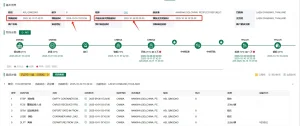
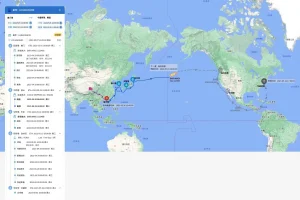
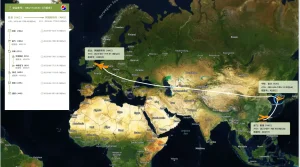
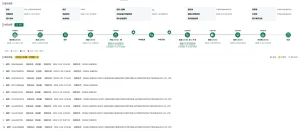
The platform achieves full chain data coverage from the source to the terminal through the collection and aggregation of data sources, including logistics information from various data sources such as stations, terminals, customs, shipping companies, and airlines. Through the Trackingeyes’ Platform, customers can quickly connect with hundreds of global data sources, greatly improving the efficiency and intelligence of logistics tracking.
Get answers to common technical and operational questions regarding Indian Ocean container tracking.
Select from our specialized APIs, analytics engines, and vessel monitoring services designed to secure your international logistics operations.
 Trackingeyes