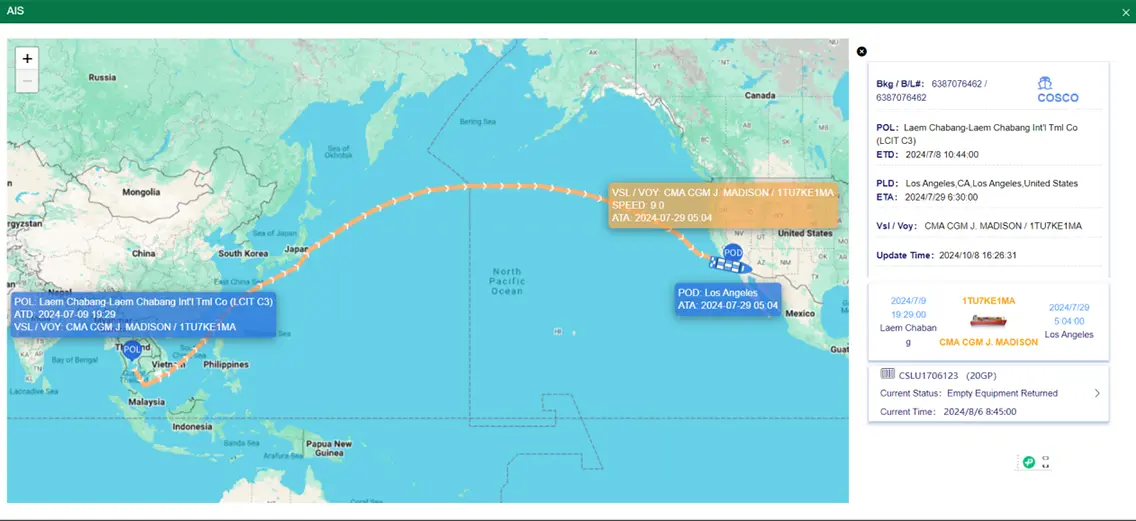
Optimized shipment monitoring configurations tailored to clear port disruptions, minimize demurrage fees at Tema, and structure high-frequency trade intelligence.

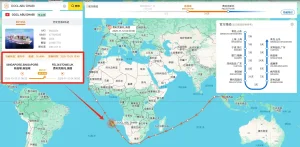
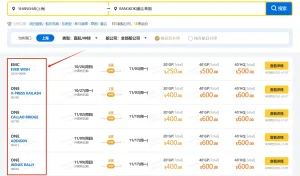
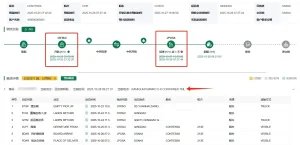
An analysis of West Africa's logistics gateways, infrastructural expansion, and the rising demand for deep end-to-end data transparency.
Ghana is rapidly solidifying its position as the premier gateway for West African maritime trade. Anchored by the major ports of Tema and Takoradi, and home to the Secretariat of the African Continental Free Trade Area (AfCFTA) in Accra, the nation represents a critical commercial corridor. Historically, local shippers, cocoa exporters, gold mining operations, and manufacturing plants have struggled with supply chain opacity. Factors such as unpredictable customs verification systems, port congestion, and complex transit loops through to landlocked neighbors like Burkina Faso, Mali, and Niger have created severe bottlenecks.
The recent expansion of the Tema Port (specifically MPS Terminal 3) has significantly increased vessel handling capacity. However, raw infrastructure alone cannot solve the lack of communication between stakeholders. Shipping lines, customs brokers, port authorities, and importers frequently operate in siloed data systems. Without dedicated, real-time shipment tracking services, cargo dwells unnecessarily long at destination ports, incurring heavy demurrage penalties and throwing manufacturing schedules into disarray.
To remain competitive in the global market, Ghanaian businesses require robust digital supply chain tracking technologies. Having immediate access to reliable sailing schedules, real-time vessel movements, automated alerts, and predictive ETA metrics is no longer a luxury—it is a critical tool for preserving working capital and securing regional supply chain resilience.
Integrating AIS data feeds directly into local enterprise software systems to predict gate-out and gate-in times, ensuring that downstream warehousing operates synchronously with actual ocean arrivals.
How real-time, automated maritime and air data is deployed within the Ghanaian commercial ecosystem to reduce operational overheads.
Ghana's primary cocoa supply chains demand strict adherence to delivery windows to maintain product freshness and satisfy international commodity contracts. Exporters in Accra, Kumasi, and Takoradi utilize automated ocean tracking tools to receive instantaneous alerts for cut-off modifications and container gate-in compliance, securing the route from cocoa warehouse to global consumer markets.
Clearing customs through Ghana’s ICUMS system can sometimes lead to unexpected administrative wait times. Importers use Trackingeyes' AIS integrations to receive precise estimations of vessel arrival schedules, allowing customs brokers to pre-manifest documents, sync haulers, and systematically prevent costly demurrage penalties.
For shipments landing at Tema bound for Burkina Faso or Mali, tracking has historically gone dark after port clearance. By combining sea shipment visibility with multi-modal updates and border customs alerts, regional distribution teams can proactively coordinate destination warehousing prior to the cargo's arrival.
Unlocking competitive advantages by bridging Chinese manufacturing nodes with West African distribution channels through data transparency.
China is Ghana’s largest trading partner. Ghanaian enterprises import large volumes of machinery, construction supplies, solar energy electronics, and textiles from industrial hubs across China. However, managing shipments across a 12,000-kilometer ocean journey involves significant logistical risks, including transshipment delays in hubs like Singapore or Colombo, port congestion, and seasonal weather disruptions.
Our solutions directly integrate with Chinese factory logistics and major shipping lines originating from Shanghai, Ningbo, and Shenzhen. When Chinese suppliers export components to Ghana, our tracking engines provide unified monitoring from the factory warehouse, through the Chinese customs process, across the Indian Ocean, to the final destination in Tema. This integrated view ensures that importers in Ghana are never left in the dark about where their capital goods are.
By using real-time API integrations, Ghanaian manufacturers can synchronize their raw material orders directly with actual factory production rates in China. This eliminates inventory shortages, minimizes excessive warehousing costs, and protects the entire supply chain from sudden global shipping shocks.
Navigating global maritime stress points and volatile freight rates with robust, automated data platforms.
Modern global logistics is constantly impacted by geopolitical friction points, climate shifts, and economic volatility. Global shipping routes are currently facing major disruptions, including transit delays around the Cape of Good Hope due to conflicts in the Red Sea, capacity constraints in the Panama Canal, and shifting freight congestion across European and Asian transshipment hubs. For West African destinations like Ghana, which rely heavily on timely imports, these global delays have a significant ripple effect.
Trackingeyes counteracts this global volatility by aggregating data from multiple global sources. We combine real-time AIS vessel locations, ocean carrier EDIs, and terminal status updates into a single tracking platform. This provides supply chain managers with actionable insights, allowing them to shift from reactive firefighting to proactive management, helping businesses remain resilient in a volatile global market.
| Logistics Challenge | Impact on Ghana Trade | How Trackingeyes Mitigates It |
|---|---|---|
| Red Sea / Suez Canal Rerouting | Extended shipping times (+10-15 days) and increased freight rates to West Africa. | Updates sailing routes automatically and revises ETAs based on Cape of Good Hope transit times. |
| Port Congestion at Tema & Takoradi | Unpredictable cargo release times, leading to logistics bottlenecks and high demurrage fees. | Tracks port queues in real-time and alerts users when vessels enter anchorage zones. |
| Carrier EDI Inconsistencies | Inaccurate container status updates, causing planning issues for warehouses. | Combines carrier data with satellite and terrestrial AIS tracking for independent verification. |
Founded in 2015, Trackingeyes is a leading provider of global end-to-end logistics tracking and supply chain visualization solutions. With a founding team boasting over ten years of logistics expertise, we deeply understand industry pain points. We specialize in global end-to-end cargo tracking by sea and air, serving thousands of import and export enterprises worldwide. Our services include customizable tracking solutions and open API data interfaces to enhance supply chain visibility and operational efficiency.
The platform achieves full chain data coverage from the source to the terminal through the collection and aggregation of data sources, including logistics information from various data sources such as stations, terminals, customs, shipping companies, and airlines. Through the Trackingeyes’ Platform, customers can quickly connect with hundreds of global data sources, greatly improving the efficiency and intelligence of logistics tracking.
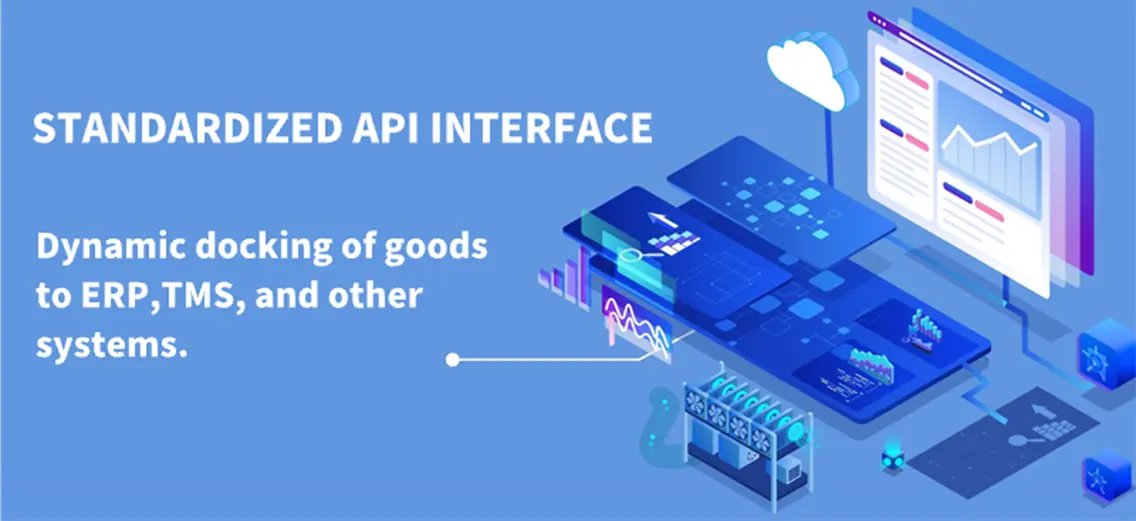
Through API interface integration, the dynamics of goods can be automatically written back to internal systems and customer service systems of the enterprise, assisting global logistics enterprises, supply chain enterprises, cross-border e-commerce enterprises, software platforms and other enterprises to achieve more efficient and refined goods tracking management, and to do risk control and prediction in advance.


How we ensure compliance with Ghanaian data regulations and provide high-availability service agreements for regional businesses.
All transactional data pipelines, shipping documents, and container manifest records handled through Trackingeyes are encrypted both in transit and at rest. We fully align with Ghana’s Data Protection Act (Act 843) to guarantee corporate data privacy.
We offer a 99.9% uptime guarantee for our APIs, ensuring that local ERP and custom TMS solutions have uninterrupted access to tracking updates. This reliability is crucial for 24/7 port operations and continuous warehouse scheduling.
Although our tracking network spans globally, we provide dedicated support teams familiar with West African supply chains. We understand the specific nuances of clearing cargo at the Tema MPS terminal and Takoradi Port, and can assist customs brokers with system integration issues.
Additionally, we work closely with shipping line agencies operating in Accra, including Maersk, MSC, CMA CGM, and Grimaldi. This helps resolve data discrepancies quickly and ensures our users receive accurate, timely information.
Get detailed answers about integrating shipping APIs, tracking containers, and optimizing logistics operations in Ghana.
Demurrage fees occur when imported containers stay in the port beyond their free storage days. Trackingeyes uses real-time AIS vessel locations and terminal gate status updates to provide highly accurate arrival alerts. This allows clearing agents in Ghana to prepare documents and coordinate transport teams before the ship arrives, helping avoid storage penalties.
Yes. Trackingeyes offers RESTful APIs that easily integrate with popular enterprise resource planning (ERP) platforms like SAP, Oracle, and Microsoft Dynamics, as well as custom warehouse management systems (WMS). This integration automatically updates inventory milestones and delivery ETAs directly within your existing software.
By combining global carrier data, historic voyage speeds, and real-time satellite AIS tracking, our platform regularly achieves over 98% prediction accuracy. The AI algorithms dynamically adjust the ETA based on factors like weather patterns along the Cape route, port queues, and transshipment wait times.
Yes. Our platform provides comprehensive air cargo tracking alongside our ocean solutions. We connect with key airlines servicing Kotoka International Airport (ACC), offering real-time updates from cargo departure to final airport clearance.
Absolutely. We design all data pipelines to meet the standards set by Ghana’s Data Protection Act. We prioritize the security of your proprietary logistics, vendor details, and commercial invoices using robust encryption and secure data handling practices.
Select a specialized service configuration to implement real-time tracking, optimize sailing schedules, and improve supply chain visibility.
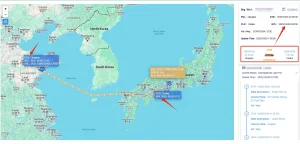
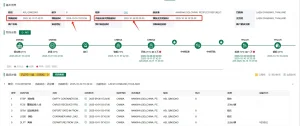
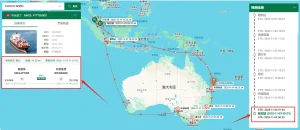
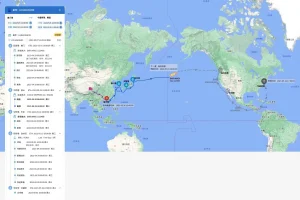
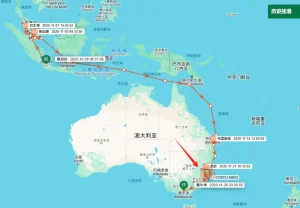
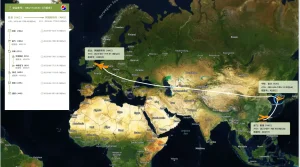
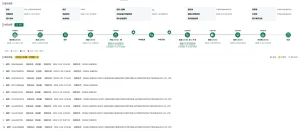
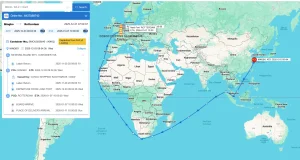
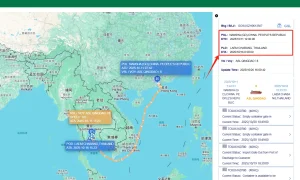
Partner with Trackingeyes to implement real-time shipping milestones, connect seamlessly via open APIs, and reduce demurrage costs at Tema and Takoradi Ports.
 Trackingeyes