Deploy industry-leading solutions optimized to manage real-time maritime, air cargo, and land transport endpoints serving the greater Chicago logistics network.
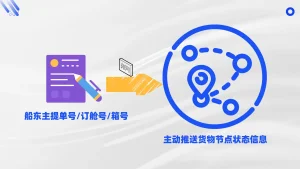
Resolve costly demurrage and detention events at inland ports. Gain granular insight into delivery bottlenecks and driver schedules in Chicago rail yards.
Learn More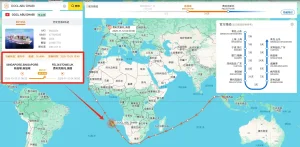
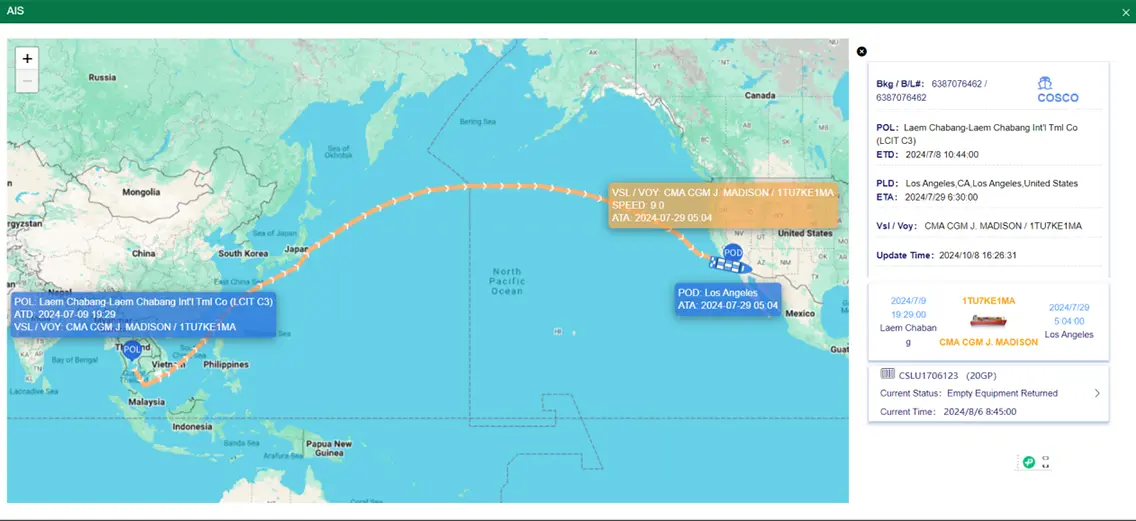
Get precision maritime location tracking. Track shipments bound for Chicago from major Chinese manufacturing hubs with instant ATD/ATA notifications.
Learn More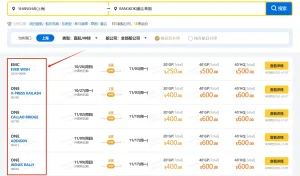
Maximize cost efficiency. Seamlessly match ocean schedules and live carrier rates with inbound freight requirements destined for Mid-West manufacturing centers.
Learn More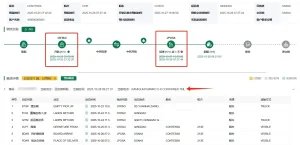
Mitigate manual tracking inefficiencies. Achieve high-fidelity ETA predictability using our advanced machine-learning pipeline for warehouse scheduling.
Learn MoreChicago is the undisputed heart of North American logistics. Handling over 500 million tons of freight annually, the Chicago metropolitan area serves as the primary gateway connecting international maritime cargo with domestic distribution networks. With six of the nation’s Class I railroads meeting in Chicago, the complexity of transferring freight from ocean containers to rail, and finally to local flatbeds is staggering.
For global supply chains, tracking a container does not end when the vessel berths at Los Angeles, Long Beach, or Prince Rupert. The "inland transit leg" to the Chicago rail depots (such as CenterPoint Intermodal Center in Joliet and Elwood) represents the most volatile phase. Delays at Chicago yards, container dwell-time penalties, chassis deficits, and scheduling misalignments often cost manufacturers millions of dollars annually.



For Chicago-based enterprises sourcing components from China’s industrial powerhouses—ranging from Shenzhen electronics to Ningbo industrial machinery and Shanghai automotive modules—logistical predictability is paramount. The competitive advantage of Chinese manufacturing relies heavily on the efficiency of the transpacific logistics chain.
By implementing Trackingeyes API and AIS tracking systems, global importers can monitor critical events: the exact second a vessel leaves the Port of Shanghai, real-time ocean conditions, and port congestion indices. Trackingeyes bridges the visibility gap between Chinese factories and Chicago distribution centers, ensuring that cargo handovers, customs clearances, and warehouse stocking schedules operate as a unified, frictionless mechanism.
Streamline legacy ERP pipelines and track North American rail movements with our enterprise API products.
Integrate robust global carrier schedules directly into internal WMS systems. Ensure automatic updates for Chicago logistics coordinators.
Learn More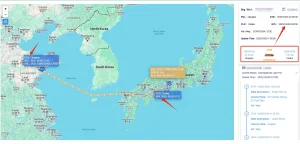
Upgrade legacy supply chain infrastructure. Modernize resource management tools with dynamic visual interfaces tailored for Chicago importers.
Learn More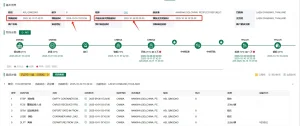
Pre-empt costly carrier penalties. Utilize machine learning to calculate accurate loading and unloading metrics before shipments depart origin ports.
Learn More
Track container milestones across the complex North American rail grid directly into Chicago yards, avoiding blind spots.
Learn MoreThe global shipping sector is experiencing a seismic shift toward what industry analysts label the "Visual Era" of maritime transport. Traditional manual tracking, relying on EDI milestones that report events hours after they occur, is no longer sufficient. Modern Supply Chain Risk Management demands real-time, dynamic spatial tracking powered by Automatic Identification System (AIS) transponder aggregation and predictive machine learning models.
This trend is driven by three major industry shifts:
Flag schedule deviations immediately to minimize disruption across secondary logistics providers.
Compare current rates against carrier schedules instantly, securing maximum cost efficiency for every shipment.
Consolidate ocean, air, and domestic rail tracking data into a single, unified enterprise dashboard.
Founded in 2015, Trackingeyes is a leading provider of global end-to-end logistics tracking and supply chain visualization solutions. With a founding team boasting over ten years of logistics expertise, we deeply understand industry pain points. We specialize in global end-to-end cargo tracking by sea and air, serving thousands of import and export enterprises worldwide. Our services include customizable tracking solutions and open API data interfaces to enhance supply chain visibility and operational efficiency.
The platform achieves full chain data coverage from the source to the terminal through the collection and aggregation of data sources, including logistics information from various data sources such as stations, terminal, customs, shipping companies, and airlines. Through the Trackingeyes’ Platform, customers can quickly connect with hundreds of global data sources, greatly improving the efficiency and intelligence of logistics tracking.
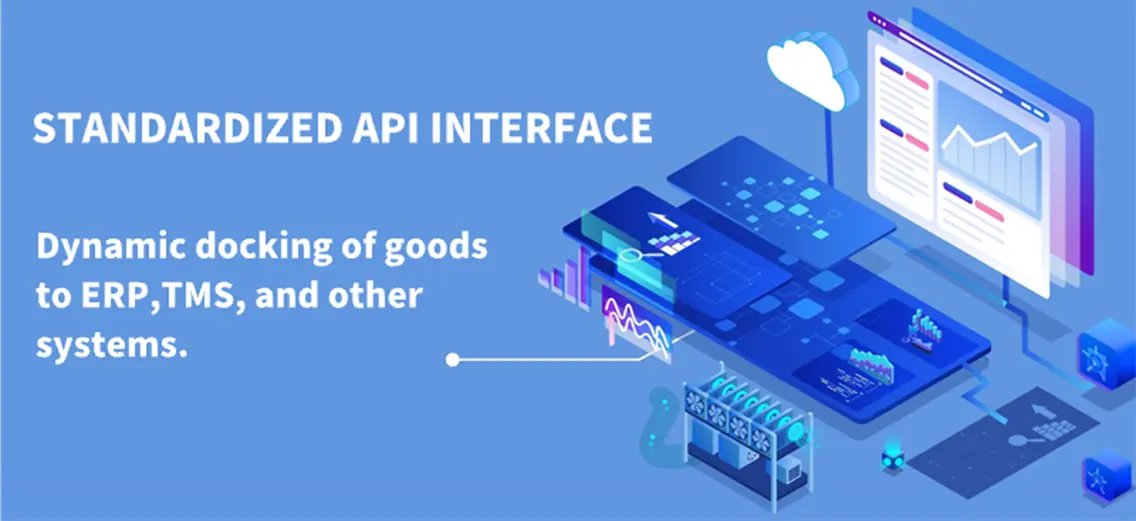
Through API interface integration, the dynamics of goods can be automatically written back to internal systems and customer service systems of the enterprise, assisting global logistics enterprises, supply chain enterprises, cross-border e-commerce enterprises, software platforms and other enterprises to achieve more efficient and refined goods tracking management, and to do risk control and prediction in advance.
Get answers to critical technical questions regarding AIS integration, intermodal transit milestones, and Chicago-specific logistical bottlenecks.
Cargo pick-up failures at busy hubs like Chicago's BNSF Corwith or Union Pacific Global IV often result from fragmented communication between the drayage provider and dynamic rail yard arrival times. Trackingeyes solves this by aggregating real-time Class I rail node data and comparing it against original maritime timelines. When a container is delayed or unloaded, local dispatch is automatically notified via SMS or API, allowing dispatchers to adjust driver schedules instantly, preventing costly terminal storage fees and missed appointments.
Direct ERP integration removes manual lookup errors by auto-matching incoming orders with corresponding cargo containers. As the vessel departs origin or experiences transit delays, the integrated Sailing Schedule API automatically updates lead times within your ERP. This ensures production lines, inventory thresholds, and customer service teams operate on accurate, real-time data, reducing safety stock requirements and logistics department labor overhead.
AIS (Automatic Identification System) tracking monitors the actual location of a vessel, bypassing static reports provided by ocean carriers. Importers tracking cargo destined for Chicago can verify if a vessel is actively docked, drifting at anchor, or queued outside crowded ports like Los Angeles or Prince Rupert. This real-time data allows logistics teams to predict inland rail transit dates, notify Chicago warehouse terminals early, and manage inventory expectations.
Trackingeyes tracks terminal operations directly to alert customers when a port changes its container acceptance windows. Our platform triggers instant notifications for changes in port cut-off times or port openings, giving logistics teams the window needed to adjust transport bookings and avoid carrier penalties.
Yes. Trackingeyes' automated air freight tracking connects directly with major airline databases and international cargo flight plans. By matching flight timelines with Chicago O'Hare (ORD) ground handling data, we provide real-time updates from touchdown to customs release, allowing local trucks to coordinate cargo pick-ups instantly.
Discover our comprehensive collection of ocean, air, and intermodal freight tracking products designed to optimize supply chain visibility.
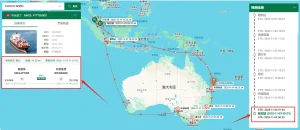
Access our comprehensive guide detailing the operational and financial impact of AIS data on global shipping routes.
Learn More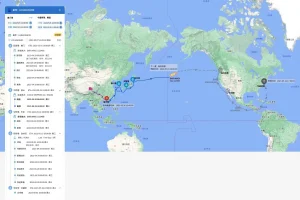
Optimize departure timing. Stay ahead of shifting carrier booking cut-offs and gate-in schedules at origin ports.
Learn More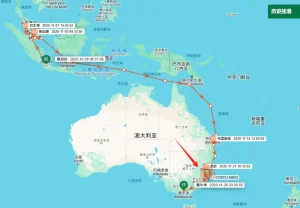
Leverage visual map interfaces and real-time ship positions to upgrade traditional text-based tracking.
Learn More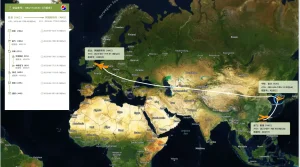
Monitor priority transpacific flights directly into Chicago O'Hare (ORD) with real-time status and clearance milestones.
Learn More
Centralize multi-carrier tracking. Reduce administrative workload and improve the accuracy of ocean container updates.
Learn More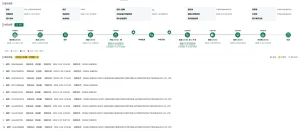
Deploy intelligent tracking APIs to transform raw data points into actionable insights for warehouse planning.
Learn More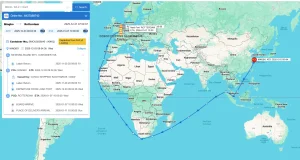
Access automated container status changes and predictive terminal arrival windows directly in your inventory management platform.
Learn More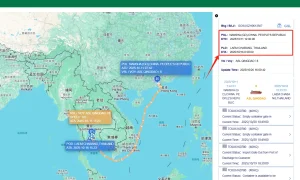
Build a transparent transpacific logistics pipeline with real-time AIS updates, custom alert systems, and unified APIs.
Learn MoreEnterprise procurement officers evaluating visibility platforms must look beyond basic map views. A robust system must meet strict compliance and integration metrics to deliver true operational value. Here are the core factors to consider during evaluation:
1. API Reliability & Latency Rates: A tracking API is only as valuable as its uptime. Enterprise integrations require SLA guarantees of 99.5% uptime or better, with response times under 200ms to prevent lag in internal warehouse applications.
2. Multi-Modal Coverage: Ocean tracking must connect smoothly with rail and road milestones. Ensure your tracking partner aggregates Class I railroads in the US and major European road freight tracking networks, alongside international ocean lines.
3. Data Security & Compliance: Safeguarding manifest information and customer delivery logs is critical. Choose platforms that adhere to modern cybersecurity protocols, complete with structured access control settings.
 Trackingeyes