 Trackingeyes

Sweden Port Optimization
Real-time execution datasets and alerts optimized for Nordic importers and global manufacturing hubs.
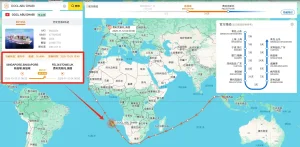
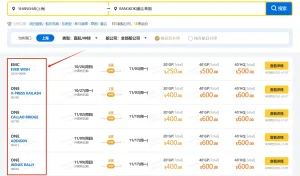
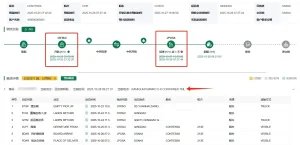
Sweden, representing the economic powerhouse of Scandinavia, acts as the primary transit hub for the Nordic region. With critical entry corridors such as the Port of Gothenburg (Göteborgs Hamn)—handling over 50% of the country’s containerized trade—and major transport nodes linking Stockholm, Malmö, and Helsingborg, Sweden's supply chain requires absolute precision. In today’s complex global trade landscape, simple point-to-point milestone updates are no longer sufficient. Enterprise importers, manufacturing giants (such as Volvo, Scania, and Ericsson), and massive retail operations require dynamic, predictive, and multi-modal shipment tracking services.
By leveraging advanced Automated Identification System (AIS) telemetry, satellite tracking, port authority API pipelines, and container-level IoT data, modern supply chains operating in the Baltic and North Sea routes can successfully mitigate risk, optimize demurrage and detention (D&D) costs, and dramatically increase operational predictability.
The Swedish industrial landscape is defined by highly integrated, just-in-time manufacturing schedules and strict environmental policies, such as the *Fossil Free Sweden* initiative. Any delay in raw material delivery or component logistics can shut down assembly lines or result in hefty contractual fines. Swedish logistics operators face specific geographical and regional challenges, including winter ice navigation in the Gulf of Bothnia, congestion at major European transshipment ports (Rotterdam, Antwerp, Hamburg) serving Sweden-bound feeder vessels, and customs complexities associated with cross-border European rail networks.
Recent data indicates that over 32% of import containers at the Port of Gothenburg encounter unexpected dwell times exceeding the standard free-time window. This is primarily caused by asymmetric communication between shipping lines and local hauliers. Implementing an automated "Port Opening & Cut-off Tracking" alert saves Swedish operators an average of €450 per container by predicting terminal milestones up to 72 hours in advance.
China remains Sweden’s largest trading partner in Asia. From electronics and industrial machinery produced in Shenzhen and Suzhou to specialized auto parts and raw materials from Zhejiang, the maritime lanes linking Chinese ports (Ningbo-Zhoushan, Shanghai, Shenzhen) to Sweden are the lifelines of Swedish commerce. However, managing transit times across 12,000 nautical miles requires resilient data pipelines.
This is where China's advanced manufacturing and supply chain digitization infrastructure plays a pivotal role. Chinese manufacturing hubs are fully integrated with real-time tracking software, allowing local factories to publish automated shipment booking, container loading, and terminal gate-out events instantly. By integrating Trackingeyes’ global tracking data with the systems of Chinese suppliers, Swedish enterprises gain complete visibility from the factory floor in China to the final distribution center in Gothenburg or Jönköping.
Modern global logistics demands a unified, single-pane-of-glass architecture. Global supply chain directors require solutions that can seamlessly integrate into existing ERP software (such as SAP, Oracle, or Microsoft Dynamics 365) via robust RESTful APIs. To achieve complete supply chain control, enterprises must focus on three core pillars:
Connect with our tracking specialists to integrate high-fidelity shipping telemetry and API endpoints directly into your enterprise ERP systems.
Send Inquiry NowFounded in 2015, Trackingeyes is a leading provider of global end-to-end logistics tracking and supply chain visualization solutions. With a founding team boasting over ten years of logistics expertise, we deeply understand industry pain points. We specialize in global end-to-end cargo tracking by sea and air, serving thousands of import and export enterprises worldwide. Our services include customizable tracking solutions and open API data interfaces to enhance supply chain visibility and operational efficiency.
The platform achieves full chain data coverage from the source to the terminal through the collection and aggregation of data sources, including logistics information from various data sources such as stations, terminal, customs, shipping companies, and airlines. Through the Trackingeyes’ Platform, customers can quickly connect with hundreds of global data sources, greatly improving the efficiency and intelligence of logistics tracking.
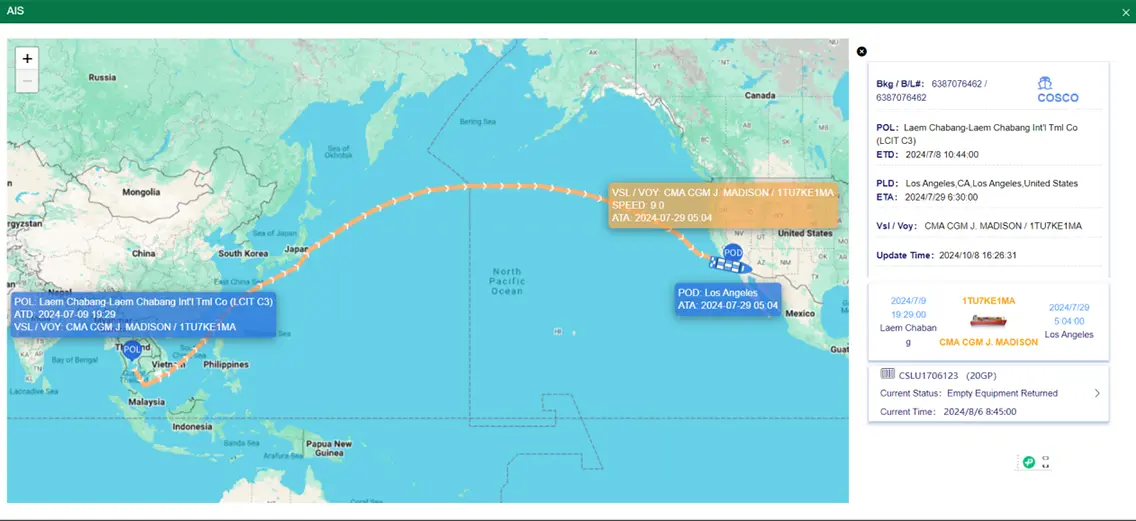
Explore our targeted tools designed to address specific ocean, air, and multi-modal logistics challenges.
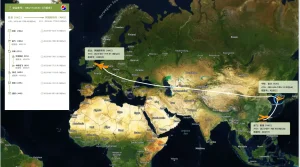
Incorporate global data feeds, automated updates, and end-to-end tracking to complete your logistics tech stack.
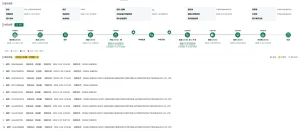
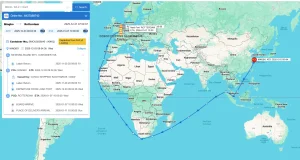
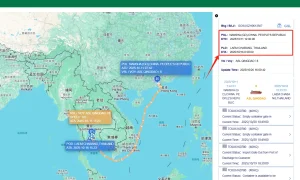
Swedish companies are renowned for operational efficiency, compliance-focused processes, and high sustainability standards. When procurement teams evaluate global shipment tracking platforms, they look beyond simple cost considerations. A structured verification model focuses on the following key technical requirements:
Trackingeyes provides standard API endpoints that allow companies to automate data workflows. Rather than manual tracking across carrier portals, data fields automatically populate within internal platforms like Salesforce, Microsoft Dynamics, or customized TMS architectures. This streamlined process enables automated alert systems, trigger-based warehouse planning, and pro-active delivery messaging for end customers.
Additionally, this automated architecture helps mitigate cargo pick-up failures at destinations like the Port of Gothenburg. Knowing when a container transitions from vessel to stack—and triggering immediate haulier pickup notifications—minimizes container dwell time, helping companies manage storage fees and keep logistics pipelines flowing smoothly.
Get in touch with our engineers for custom proof-of-concept testing, sandbox API keys, and comprehensive freight mapping analysis.
Send Inquiry NowDirect technical answers for logistics managers, supply chain directors, and IT specialists in Sweden.