Immediate visibility tools optimized for Dubai, Abu Dhabi, and Northern Emirates logistic networks.

The United Arab Emirates (UAE) serves as the primary trade gateway between Europe, Asia, and Africa. Anchored by world-class ports like Jebel Ali in Dubai—the largest man-made harbor in the Middle East—and Khalifa Port in Abu Dhabi, the country handles millions of TEUs annually. As global maritime logistics transitions into a digital-first era, real-time shipment tracking has evolved from a luxury service to an essential operational requirement. The UAE's logistics ecosystem operates under high-pressure parameters: rapid customs turnaround times, intensive multimodal transfers, and extreme climate considerations that demand exact predictability for temperature-sensitive cargo.
Furthermore, the integration of free zones such as JAFZA (Jebel Ali Free Zone) and KIZAD (Khalifa Industrial Zone Abu Dhabi) with domestic infrastructure requires multi-point tracking systems. Forwarders, terminal operators, and international buyers demand unified data structures that sync cargo movement across ships, container yards, customs clearance zones, and final-mile distribution hubs. Achieving complete visibility across this complex logistical landscape is a top operational challenge for logistics managers worldwide.
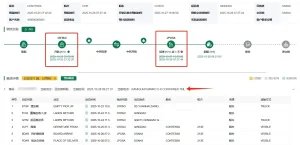
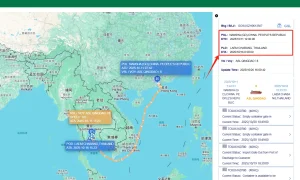
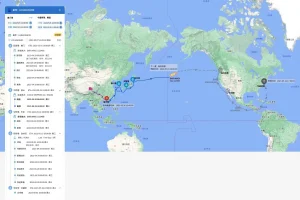
Traditional manual container tracking, relying on shipping line websites and direct phone calls to terminal desks, fails to meet the velocity requirements of modern Middle Eastern supply chains. Real-time Automatic Identification System (AIS) vessel tracking combined with satellite telemetry provides dynamic Estimated Time of Arrival (ETA) calculations. This technological shift enables regional businesses to reduce port demurrage fees, plan warehouse staffing, and eliminate blind spots in their procurement chains.
Operating a tracking infrastructure in the GCC region demands close alignment with local regulatory environments. The UAE's Federal Authority for Identity, Citizenship, Customs and Port Security (ICP) sets stringent guidelines for manifest submissions and security clearance. Automated systems must integrate with digital single-window platforms like Dubai Trade and Abu Dhabi’s Maqta Gateway. By using real-time cargo status reporting, companies can avoid severe customs penalties associated with late container notifications or mismatched billing records.
In addition to trade compliance, data privacy and cybersecurity standards are of paramount importance. The UAE Federal Decree-Law No. 45 of 2021 on Personal Data Protection (PDPL) mandates how enterprise logistics databases manage, store, and transmit critical transaction data. Trackingeyes guarantees that all cloud-hosted tracking activities, API requests, and corporate customer records adhere to regional localization protocols, providing secure enterprise-grade systems with high data redundancy and low integration latency.
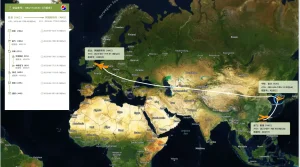
China remains the top trade partner for the United Arab Emirates. Bilateral trade volumes continue to grow under the framework of the Belt and Road Initiative (BRI). The logistics corridor connecting major Chinese manufacturing bases—such as Shenzhen, Ningbo, and Shanghai—to Jebel Ali Port is the backbone of the region's commercial import sector. For Middle Eastern buyers, purchasing from Chinese factories requires transparent visibility over maritime transport. Product tracking solutions bridging Chinese logistics databases with GCC ports offer significant competitive advantages.
Chinese factories leveraging Trackingeyes' API and automated tracking solutions can deliver reliable and transparent export services. From warehouse packing to terminal gates and final ocean carriers, every node is fully mapped. This eliminates delivery surprises and builds trust between regional distributors and international manufacturing partners.
Global procurement offices located in Dubai’s DIFC or Abu Dhabi's Global Market require sophisticated visibility platforms. These enterprises manage complex inventories where logistics updates must sync directly with their internal Enterprise Resource Planning (ERP) databases, including SAP, Oracle, and Microsoft Dynamics. The main focus is to automate the flow of ETA updates directly into warehouse management software, removing the need for manual data entry.
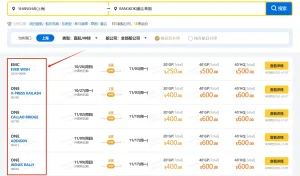
Trackingeyes provides customizable Sailing Schedule APIs that automate data retrieval. Procurement managers can set up automated alerts for vessel delays, port-opening status, and container discharge times. This data enables companies to optimize inventory costs, run lean distribution models, and protect customer satisfaction agreements (SLAs).
Founded in 2015, Trackingeyes is a leading provider of global end-to-end logistics tracking and supply chain visualization solutions. With a founding team boasting over ten years of logistics expertise, we deeply understand industry pain points. We specialize in global end-to-end cargo tracking by sea and air, serving thousands of import and export enterprises worldwide. Our services include customizable tracking solutions and open API data interfaces to enhance supply chain visibility and operational efficiency.



The platform achieves full chain data coverage from the source to the terminal through the collection and aggregation of data sources, including logistics information from various data sources such as stations, terminal, customs, shipping companies, and airlines.
Through the Trackingeyes’ Platform, customers can quickly connect with hundreds of global data sources, greatly improving the efficiency and intelligence of logistics tracking.
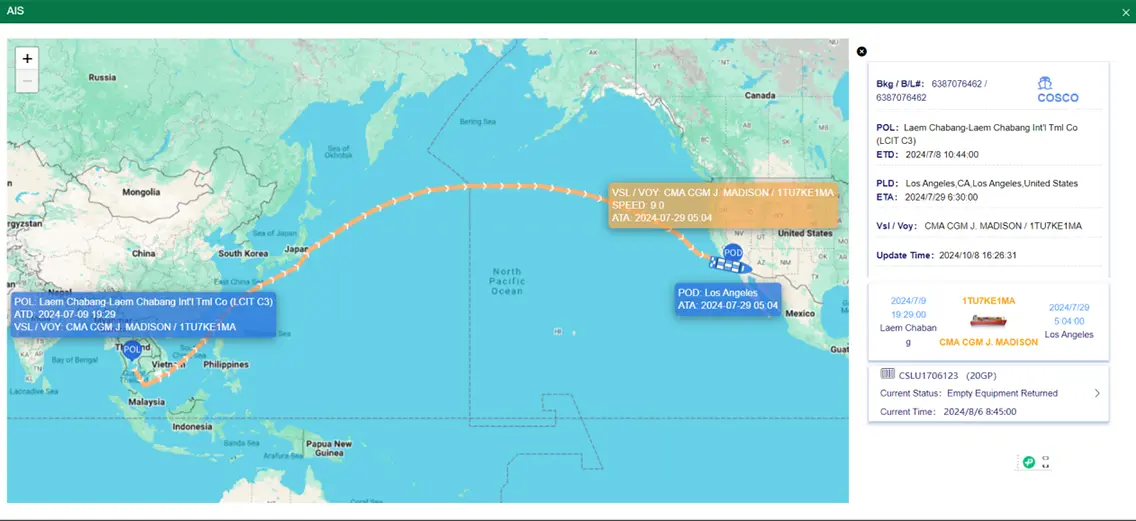
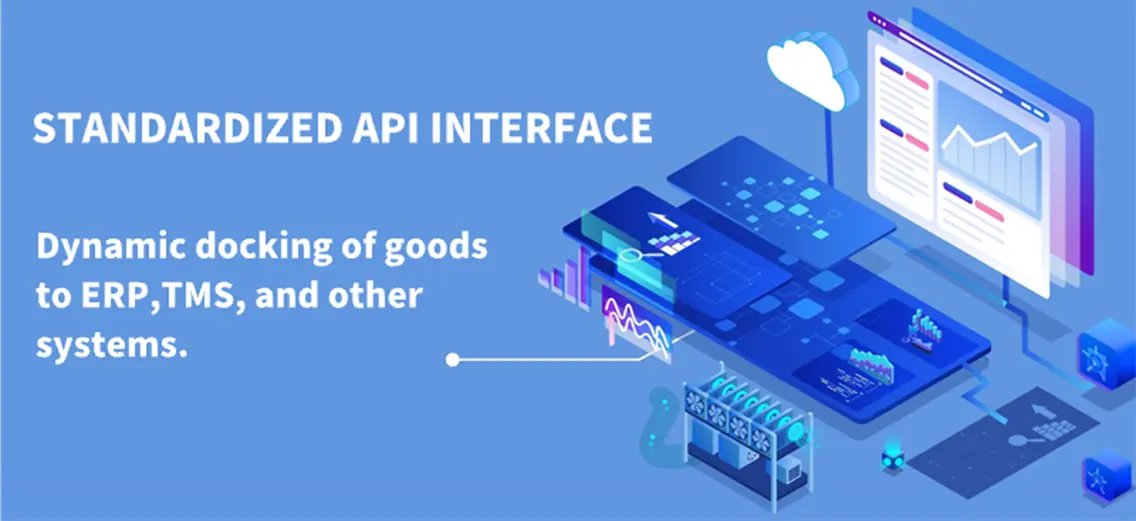
Through API interface integration, the dynamics of goods can be automatically written back to internal systems and customer service systems of the enterprise, assisting global logistics enterprises, supply chain enterprises, cross-border e-commerce enterprises, software platforms and other enterprises to achieve more efficient and refined goods tracking management, and to do risk control and prediction in advance.
Unlock end-to-end visibility with our trusted tracking platform. We bring proven reliability to both ocean and air cargo tracking, giving you the accurate data and control needed to streamline operations from port to runway.
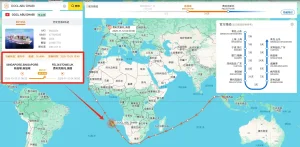
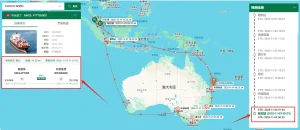
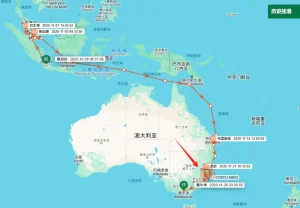
During peak shipping seasons, vessels entering Jebel Ali may face offshore delays. Using real-time AIS vessel tracking, regional distributors can monitor the position of incoming container ships. When a vessel's ATA (Actual Time of Arrival) is updated, the warehouse planning software automatically schedules local haulage transport, avoiding high port storage fees and demurrage charges.
For high-value pharmaceutical and perishable cargo arriving at DWC, maintaining constant temperature control is essential. Integrating real-time air cargo tracking with local cold-chain trucking alerts operations managers when a flight lands. This allows local ground teams to transfer products directly to temperature-controlled vehicles without delay, ensuring complete product quality control.
Browse our complete range of logistics visibility tools, vessel schedule APIs, and ocean tracking systems.
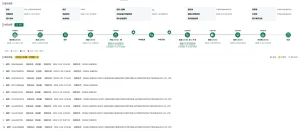
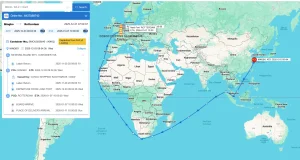
Answers to technical queries on systems integration, compliance, and ocean data coverage in the GCC.
Integrate our AI-powered shipment tracking solutions and APIs to eliminate delivery delays and streamline your GCC maritime operations.
Send Inquiry Now Trackingeyes