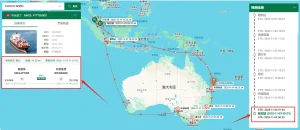
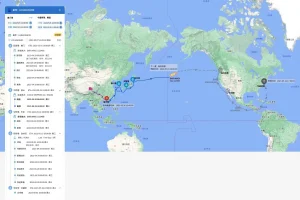
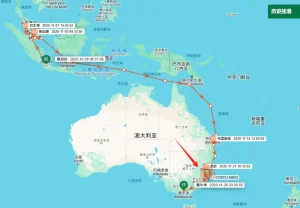
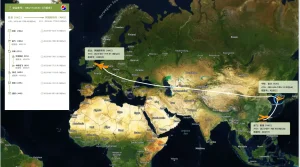
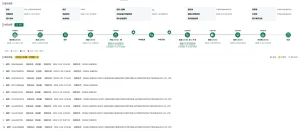
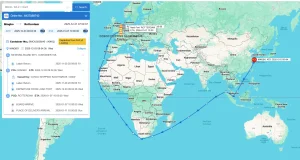
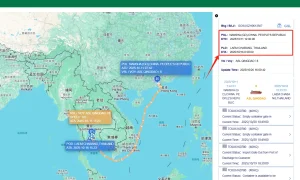
Premium ocean and air tracking architectures designed to optimize Qatari port arrival operations.
Doha, the powerhouse of Qatar, has transitioned from a regional trade capital to a critical node in global supply chains. At the heart of this growth is the state-of-the-art Hamad Port, one of the largest greenfield ports in the Middle East. Operating with an annual capacity of millions of TEUs, the port handles a complex array of imports ranging from massive industrial equipment for the gas sector to delicate cold chain cargo destined for regional retail markets.
Under the vision of Qatar National Vision 2030, Doha has set ambitious parameters to establish itself as a dominant economic zone. For manufacturing partners, supply chain operators, and project procurement managers, achieving full tracking transparency is no longer optional. Logistics systems must navigate complex marine entry pathways in the Persian Gulf, where congested waterways, regional weather disruptions, and tight port windows require hyper-precise predictive data structures.
By leveraging predictive analytics, companies can forecast the precise arrival times of heavy container shipments, mitigating downstream supply chain frictions that could stall major infrastructural projects in the Lusail and Doha metropolitan zones.
Hamad Port (QCT1 & QCT2): The primary maritime portal demanding advanced AIS vessel data feed integration.
Hamad International Airport: A core air freight transit network that requires real-time airway bill (AWB) milestones to sync with local land distributions.
Ras Bufontas Free Zone: The tech-focused logistics hub housing high-value supply lines that demand direct ERP visualization connectivity.
Expert-level overview of our high-fidelity data layers designed for complex shipping corridors.
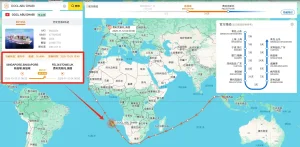
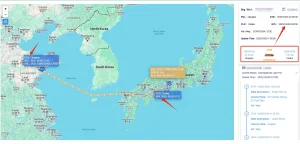
Integrating satellite AIS, terrestrial receivers, and coastal radar systems to eliminate blackouts in the Arabian Gulf. Real-time updates generate precision geofencing alerts as containers cross the Straits of Hormuz.
AI-driven predictive engines analyze historic berth waiting times, seasonal weather disruptions, and carrier speeds. This shifts tracking from reactive status updates to proactive ETA optimization.
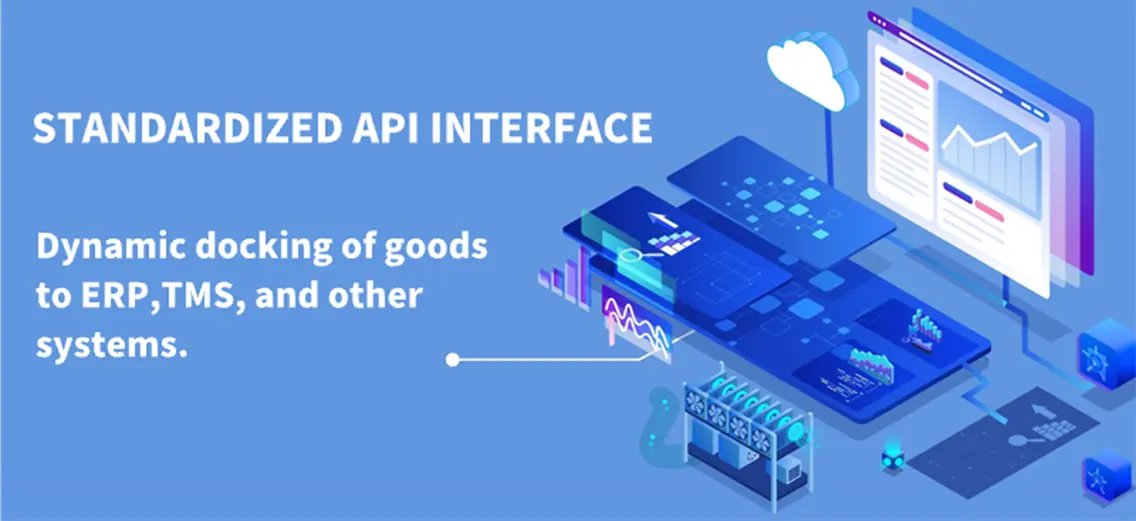
Unified JSON Restful APIs seamlessly integrate into enterprise resource systems (ERP) and transportation management programs (TMS). No manual parsing of tracking messages required.
As China continues to serve as a pivotal manufacturing partner for Doha's major urban construction and technological expansion, optimizing the Shanghai/Ningbo-to-Hamad shipping lane is essential.
Direct factory-to-port digital visibility ensures that complex custom fabrications, structural metals, and technology payloads are tracked from the production line directly to Qatar's entry ports.
The trade corridor connecting Chinese industrial centers (such as Guangdong, Zhejiang, and Shandong) to Doha represents a massive portion of Qatar’s import value. From consumer electronics and household commodities to heavy-duty engineering infrastructure, manufacturers require absolute control over transit milestones.
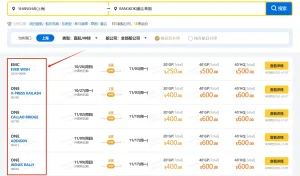
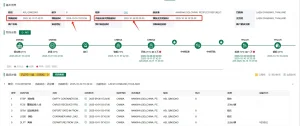
By implementing a unified tracking dashboard system, Chinese manufacturers can prevent cargo pick-up failures at destination ports by giving Qatari consignees immediate access to reliable sailing updates, manifest details, and estimated time of discharge (ETD). This level of collaborative visibility builds unprecedented trust, streamlines payment collection terms, and dramatically minimizes customs clearance delays.
Furthermore, localizing data pipelines with real-time AIS vessel updates allows Doha procurement teams to adjust domestic warehouses, organize port transport fleets, and plan staging sequences with total precision.
Founded in 2015, Trackingeyes is a leading provider of global end-to-end logistics tracking and supply chain visualization solutions.
With a founding team boasting over ten years of logistics expertise, we deeply understand industry pain points. We specialize in global end-to-end cargo tracking by sea and air, serving thousands of import and export enterprises worldwide. Our services include customizable tracking solutions and open API data interfaces to enhance supply chain visibility and operational efficiency.
The platform achieves full chain data coverage from the source to the terminal through the collection and aggregation of data sources, including logistics information from various data sources such as stations, terminals, customs, shipping companies, and airlines. Through the Trackingeyes’ Platform, customers can quickly connect with hundreds of global data sources, greatly improving the efficiency and intelligence of logistics tracking.
How predictive tracking meets regional operational challenges and strict Gulf regulatory requirements.
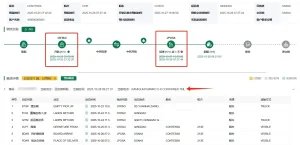
Doha customs clearances at Hamad Port operate under strict free-time limitations. Exceeding free-time limits leads to steep demurrage and detention charges. Our automated tracking monitors cut-off dates, container discharge status, and clearance milestones, sending automated alerts to local drayage teams before fees accumulate.
For major construction in Doha or natural gas developments in Ras Laffan, logistics failures can stall multi-million dollar sites. Our platform tracks critical machinery, out-of-gauge (OOG) shipments, and steel shipments with real-time AIS geofencing, ensuring project coordinators have reliable on-site dates.
Logistics operators crossing GCC borders require precise manifest data and automated timing updates. Trackingeyes integrates with customs databases to supply standardized container tracking datasets, satisfying requirements for regulatory audits and environmental compliance.
Integrate robust visibility nodes, API services, and ERP enhancements tailored for Middle Eastern shipping networks.
Understand the capabilities, integrations, and deployment of Trackingeyes systems for Gulf operations.
Connect with our global supply chain engineers to customize your API access, resolve transit blind spots, and secure real-time visibility.
Send Inquiry Now Trackingeyes