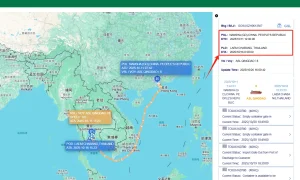
Explore our top-tier tracking modules engineered to streamline imports and exports via Mexican maritime corridors and inland rail hubs.

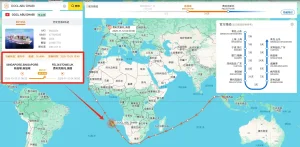
As international supply chains decouple from traditional high-risk lanes, Mexico has risen to the forefront of the global nearshoring revolution. Driven by the United States-Mexico-Canada Agreement (USMCA/T-MEC) and the strategic restructuring of manufacturing hubs, Mexico's ports and rail corridors are experiencing unprecedented cargo volumes. Major gateways such as the Port of Manzanillo, Lázaro Cárdenas, and Veracruz are operating at near-maximum capacity, leading to severe logistical bottlenecks.
Within this macroeconomic environment, simple container tracking is no longer sufficient. Enterprise operations demand granular, real-time cargo visibility to avoid catastrophic disruptions. Supply chain directors must navigate complex local realities—such as port congestion, customs clearance documentation requirements, and multimodal transfers from ocean carriers to domestic rail systems like Ferromex or Kansas City Southern de México (CPKC).
Failing to secure real-time logistics intelligence exposes companies to severe financial losses, high detention and demurrage fees, and diminished customer trust. Implementing a comprehensive, localized tracking solution is essential for managing transit times and optimizing working capital.
1. Port Congestion & Custom Delays: Average clearance times at Manzanillo can fluctuate between 24 to 72 hours without predictive visibility, leading to high demurrage fees.
2. Inland Security Risks: Cargo theft along major highways and rail corridors makes continuous, geo-fenced GPS and AIS tracking a vital risk management tool.
3. Carta Porte Compliance: Strict digital tax documentation (Complemento Carta Porte) enforced by the SAT requires precise freight and route validation.
4. Multimodal Synchronization: Aligning vessel arrivals with domestic rail scheduling requires accurate predictive ETA values to prevent demurrage charges.
How automation, IoT sensor technology, and predictive analytics are shaping the future of Latin American supply chains.
Traditional logistics tracking relied heavily on manual data entry, daily spreadsheets, and emailing brokers. Modern companies operating in Mexico are shifting towards RESTful API integrations that directly feed ocean, air, and land transport milestones into ERP platforms (SAP, Oracle, and Microsoft Dynamics).
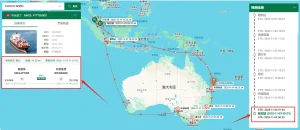
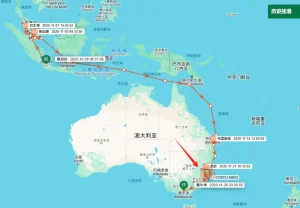
Relying on carrier milestones (such as standard EDI status reports) can cause delays of up to 12 hours. Employing Automatic Identification System (AIS) satellite and terrestrial data allows operators to bypass carrier lag and track the exact latitude and longitude of vessels approaching Mexican waters in real time.
Advanced machine learning models now analyze historic congestion trends, terminal productivity metrics, and meteorological data to project accurate Estimated Time of Availability (ETA) updates. This allows logistics teams to coordinate trailers and rail cars well before a vessel berths.
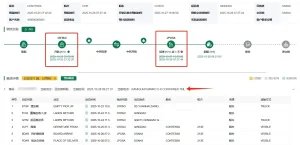
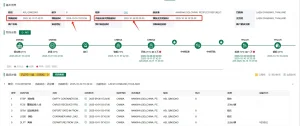
Modern shipment tracking is no longer isolated to ocean transport. Supply chains require end-to-end monitoring that links maritime shipping data directly to North American rail networks and over-the-road (OTR) GPS tracking systems.
Optimize your internal ERP systems and manage cross-border transshipment with our dedicated APIs and scheduling engines.
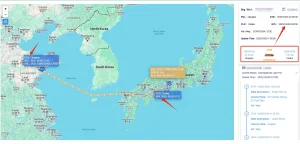
Understanding the key criteria that multinational procurement departments demand when auditing logistics visibility platforms.
Global procurement teams face unique challenges when evaluating shipment tracking platforms for Latin American operations. The primary driver is obtaining high-quality, normalized tracking milestones across multiple modes of transport. Vendor selection is typically governed by a series of critical performance criteria:
| Metric | Benchmark Required |
|---|---|
| Data Accuracy | > 99.8% ETA Validation |
| API Uptime | 99.95% SLA Guaranteed |
| Latency | < 300ms Response Time |
| Security | ISO 27001 / SOC 2 |
How the Trackingeyes data pipeline ingests raw logistics information and processes it for enterprise consumption.
Our platform connects directly with satellite AIS systems, ocean container terminal operating databases, and air freight cargo handling systems. This ensures zero reliance on single-channel networks.
Machine learning models continuously evaluate dynamic transit conditions—such as seasonal weather variations, port congestion statistics, and historic custom clearance times—to predict ETA updates.

Navigating the complex administrative framework in Mexico requires specialized expertise. Our platform supports the SAT's strict Complemento Carta Porte documentation by providing verifiable tracking coordinates that cross-reference physical transport paths with digital records.
Furthermore, we offer comprehensive integration support tailored to the Mexican market, providing dedicated developer documentation in both Spanish and English. This simplifies the development process for regional ERP managers and local software providers.
With tracking data centers located globally, we ensure low-latency API connections to localized manufacturing hubs in Monterrey, Tijuana, Querétaro, and Mexico City.
Send Inquiry NowFounded in 2015, we are a leading provider of global end-to-end logistics tracking and supply chain visualization solutions.
Our founding team brings over ten years of logistics expertise to solve industry pain points. We specialize in global, end-to-end cargo tracking by sea and air, serving thousands of import and export enterprises worldwide. Our services include customizable tracking solutions and open API data interfaces designed to enhance supply chain visibility and improve operational efficiency.
The Trackingeyes platform aggregates data from a wide variety of sources, including logistics information from ports, terminal operating systems, customs databases, shipping companies, and airlines. This ensures complete coverage across the entire supply chain.
Through our platform, customers can quickly connect with hundreds of global data sources, greatly improving the efficiency and intelligence of their logistics tracking systems.


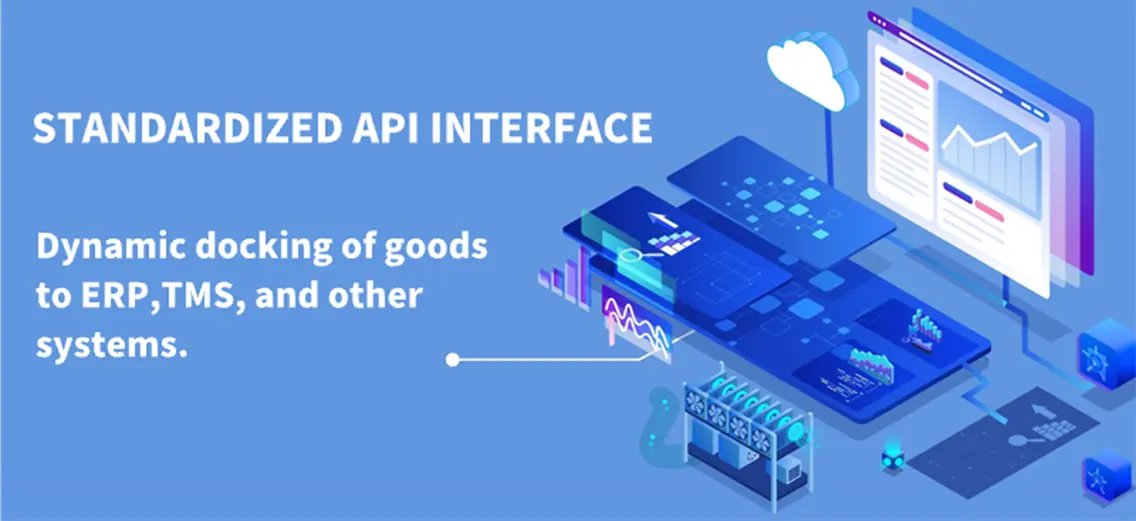
"Through API interface integration, the status of goods can be automatically written back to internal systems and customer service platforms, helping global logistics, supply chain, and cross-border e-commerce enterprises achieve efficient and refined tracking."
Flexible plans tailored to your volume and integration requirements. Choose the tier that fits your operational scale.
Best for growing importers and local brokers
Best for medium-large manufacturing and logistics companies
Custom solutions for global logistics companies
Common questions about tracking imports and exports within the Mexican market.
Access our complete suite of data services to monitor maritime traffic, air cargo movements, and container lifecycles.
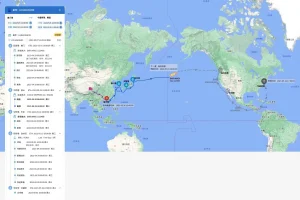
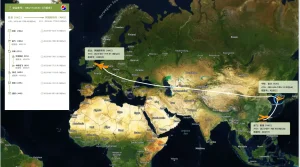
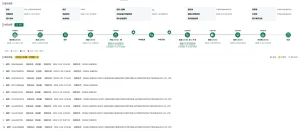
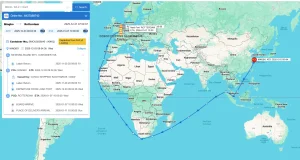
Connect with our engineering team to integrate high-fidelity vessel tracking data, automate custom alerts, and optimize demurrage management across Latin America.
Send Inquiry Now Trackingeyes