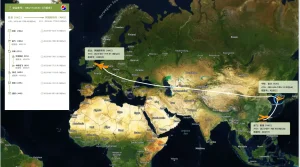
Explore our highly integrated shipment tracking services tailored to overcome port congestion, scheduling disruptions, and regulatory bottlenecks.
Portugal serves as the southwestern gateway of Europe, linking trans-Atlantic trade lanes with Central European markets. From the deep-water infrastructure of the Port of Sines, which handles over 50% of the country's cargo volume, to the industrially essential ports of Lisbon and Leixões (Porto), keeping tabs on vessel locations and terminal clearances is paramount for modern import-export houses.
For operations managers across Iberia, having passive access to carrier websites is no longer sufficient. Legacy systems update status milestones late or rely on manual data Entry, causing demurrage and detention (D&D) penalties. Real-time automatic tracking integration allows companies to foresee berth congestion, customs holds, and overland delivery delays before they impact their customer relationships.
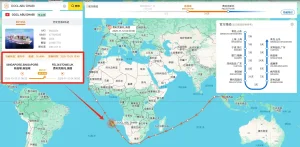
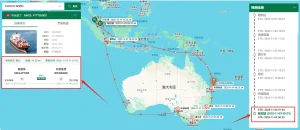
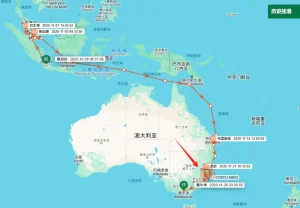
Our solutions cross-reference Automatic Identification System (AIS) satellite data with direct terminal data and carrier milestones to construct predictive models. This multi-layered validation guarantees that logistics professionals receive updates hours or days ahead of manual dispatch communications.

Navigating European logistics requires adherence to strict regulatory guidelines. Here is how we ensure seamless regional operations.
We hook directly into Portugal's Janela Única Logística (JUL) and national safety management systems. This guarantees real-time notification as soon as container customs holds are lifted or container terminal gates swing open.
All supply chain metrics, customer locations, and telemetry data feed securely through our ISO 27001-certified pathways, fully complying with General Data Protection Regulation (GDPR) standards for European operators.
Ensure compliance with Europe's Import Control System 2 (ICS2) by verifying automated electronic safety and security declarations before your containers reach Portugal's marine borders.
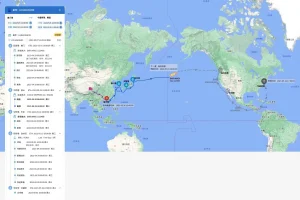
As bilateral trade between China and Portugal continues to expand, thousands of manufacturers depend on regular supply loops from ports like Shenzhen, Ningbo-Zhoushan, and Shanghai to Portuguese distribution centers. Given the transit distance of over 30 days and frequent routing adjustments via the Cape of Good Hope, reliable tracking is a competitive necessity.
Using our unified platform, Portuguese buyers and Chinese logistics coordinators share access to the same tracking feed. This mitigates discrepancies, streamlines customs documentation processing, and ensures cargo pick-up schedules align precisely with inland drayage trucks.
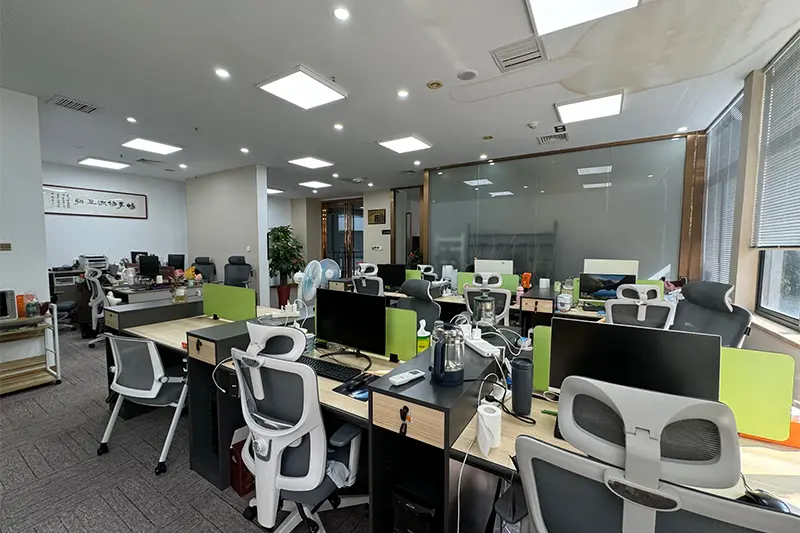
Founded in 2015, Trackingeyes is a leading provider of global end-to-end logistics tracking and supply chain visualization solutions.
With a founding team boasting over ten years of logistics expertise, we deeply understand industry pain points. We specialize in global end-to-end cargo tracking by sea and air, serving thousands of import and export enterprises worldwide. Our services include customizable tracking solutions and open API data interfaces to enhance supply chain visibility and operational efficiency.

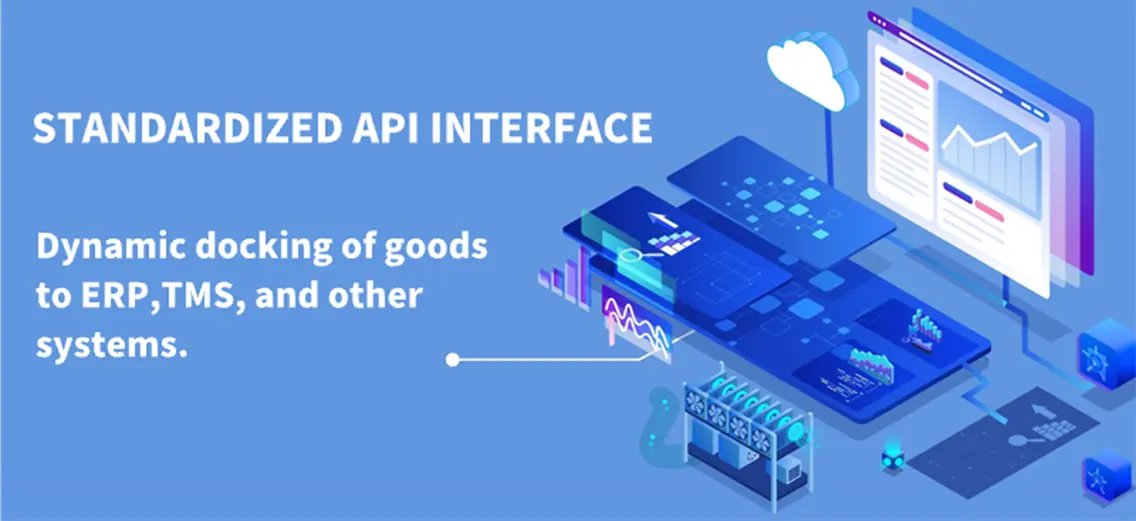
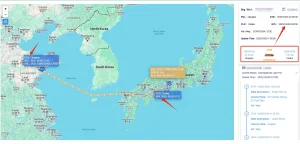
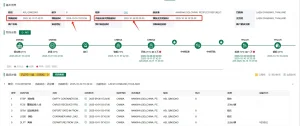
The platform achieves full chain data coverage from the source to the terminal through the collection and aggregation of data sources, including logistics information from various data sources such as stations, terminal, customs, shipping companies, and airlines. Through the Trackingeyes’ Platform, customers can quickly connect with hundreds of global data sources, greatly improving the efficiency and intelligence of logistics tracking.
Scale your international shipping processes with our production-ready tracking services.
Connecting your transport execution data directly into your enterprise ERP architecture.
A crucial component of modern logistics tracking is the elimination of siloed data structures. Through Trackingeyes' platform, enterprise technology managers can easily integrate real-time tracking feeds directly into ERP layouts like SAP, Oracle, and Microsoft Dynamics, or custom logistics software setups using developer-friendly REST APIs and webhooks.
Instead of manually loading external tracking sites, data pipelines dynamically push updates. Here is a typical operational data sequence for tracking updates:
Ingestion of AIS satellite positions, maritime line interfaces, and port terminal gate logs. Over 300 carrier systems and 50 regional port databases are unified into a single API endpoint.
Our algorithms clean noisy vessel position reports, calculate geographic coordinates against terminal berths, and predict arrival dates based on maritime traffic trends.
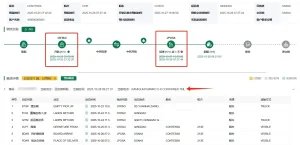
Triggers immediate webhook updates on key milestones, including Container Discharged, Customs Release, Port Gate-Out, and Empty Return, optimizing the drayage chain.
Discover how custom visibility tracking saves cost and secures operations across different verticals in the region.
For Tier-1 suppliers delivering components to the massive automotive plants in Palmela, tracking delays are critical. Our minute-by-minute container alerts ensure assembly lines run without disruptions, preventing expensive production stoppages.
Agricultural exports of fruit, wine, and olive oil rely on temperature-sensitive supply chains. Integrating tracking alerts prevents containers from sitting on port tarmacs during hot summer months, protecting product shelf life.
Fast-moving retail items imported from manufacturing bases in Asia require tight container management. Predictive ETAs ensure that regional distribution center personnel are scheduled exactly when the inland haulage arrives.
Addressing typical queries concerning rates, API implementation, data accuracy, and setup times.
 Trackingeyes