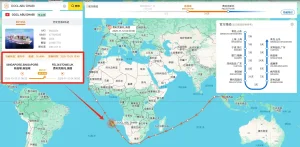
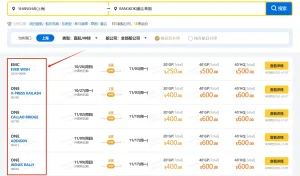
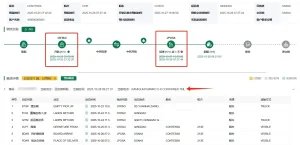
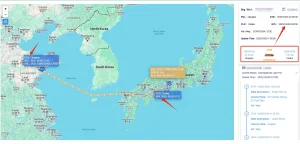
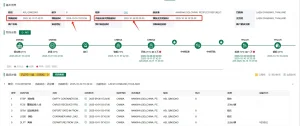
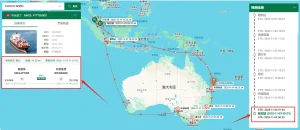
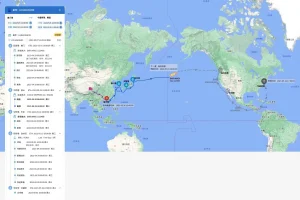
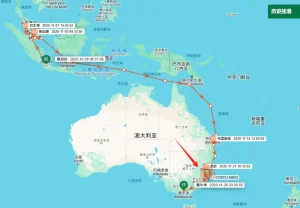
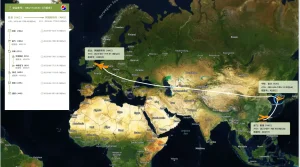
Discover our highly targeted container, vessel, and milestone automation engines calibrated for major Japanese logistics hubs.
The Japanese logistics sector is undergoing its most profound transformation in decades. Commonly referred to locally as the "2024 Problem" (2024年問題), new regulatory caps on driver overtime hours have significantly restricted domestic road haulage capacity. Consequently, the maritime and air gateways of Japan (ports like Tokyo, Yokohama, Nagoya, Kobe, Osaka and airports such as Narita and Kansai) are experiencing immense pressure to streamline land-sea interfaces. Importers and exporters can no longer afford shipping visibility gaps that lead to idle chassis time, late gate-ins, or port storage penalties.
By implementing real-time Shipment Tracking Services, enterprises operating within Japan can feed automated sailing schedules and live milestone data directly into their domestic transport management systems (TMS). This allows dispatchers to dynamically schedule drayage trucks, coordinate container pickups, and execute just-in-time (JIT) warehouse replenishment, effectively offsetting the labor deficit with pure information efficiency.
Generic tracking indicators are no longer enough for search ranking or business optimization. Decision-makers demand specialized metrics like Port Terminal Statuses, container detention clocks, and precise geofencing metrics. Providing deep, structured knowledge on Japanese shipping lanes offers a strategic advantage that search engines recognize as high-value content (E-E-A-T).
How cross-border data aggregation resolves structural friction for globalized manufacturers.
True end-to-end efficiency requires monitoring containers through every mode of transit: from regional feeders to main ocean liners, through rail links (especially Trans-Pacific links), and onto domestic drayage networks.
Say goodbye to manual portal scraping. By offering direct Webhooks and RESTful sailing schedule data APIs, we facilitate seamless system-to-system integrations, writing updates directly to your internal database.
Receive proactive, automated alerts when containers languish at port terminals past their free time, enabling logistics coordinators to expedite custom clearances and avoid hefty port penalties.
Transparent structures tailored for trade volumes, API integration depth, and real-time coverage options in Japan.
Understanding the economics of logistics tracking is critical for budgeting. Below is a comprehensive overview of how shipment tracking packages are structured, allowing you to estimate your investment based on operational scale and data fidelity requirements.
| Service Plan | Volume (Shipments/Mo) | Ideal For | Estimated Quote (per Unit) | Key Features Included |
|---|---|---|---|---|
| Standard Track | Up to 500 | Japanese Regional Exporters | $1.50 - $2.00 / shipment | Milestone tracking, Email reports, Standard Port Alerts |
| Enterprise API Connect | 501 - 5,000 | Automotive Parts & Electronics Manufacturers | $0.75 - $1.20 / shipment | Direct ERP Integration, Webhook alerts, Multi-carrier API |
| High-Frequency AIS Premium | 5,001 - 20,000 | Global Trading Houses (Sogo Shosha) | $0.40 - $0.70 / shipment | Live Satellite AIS polling, predictive ETA engine, Dedicated Manager |
| Custom Global Node Customization | 20,000+ | Mega Conglomerates & Global 3PLs | Contact for Custom SLA | Full custom schema, on-premise deployments, multi-modal air/ocean |
* Note: Prices listed are estimates based on standard global metrics adjusted for the Japan Market. Quotes can vary depending on exact API transaction volumes, custom geofencing parameters, and legacy ERP mapping requirements.
Connecting global data sources to bring absolute visual integrity to your shipping pipelines since 2015.
Founded in 2015, Trackingeyes is a leading provider of global end-to-end logistics tracking and supply chain visualization solutions. With a founding team boasting over ten years of logistics expertise, we deeply understand industry pain points. We specialize in global end-to-end cargo tracking by sea and air, serving thousands of import and export enterprises worldwide. Our services include customizable tracking solutions and open API data interfaces to enhance supply chain visibility and operational efficiency.
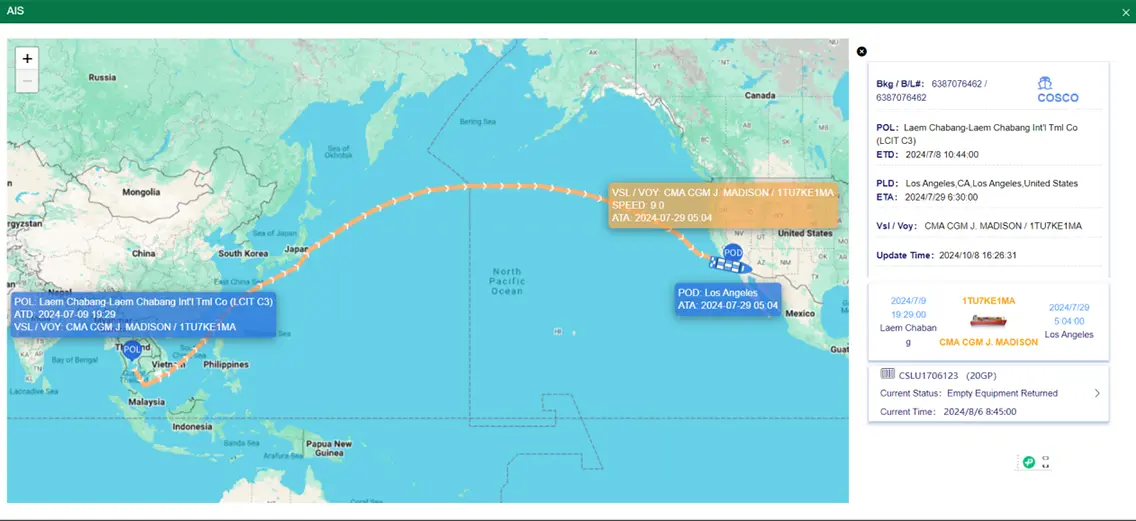
The platform achieves full chain data coverage from the source to the terminal through the collection and aggregation of data sources, including logistics information from various data sources such as stations, terminal, customs, shipping companies, and airlines. Through the Trackingeyes’ Platform, customers can quickly connect with hundreds of global data sources, greatly improving the efficiency and intelligence of logistics tracking.
Trackingeyes: Reliable Ocean & Air Cargo Tracking for a Smoother Supply Chain. Unlock end-to-end visibility with our trusted tracking platform. We bring proven reliability to both ocean and air cargo tracking, giving you the accurate data and control needed to streamline operations from port to runway.
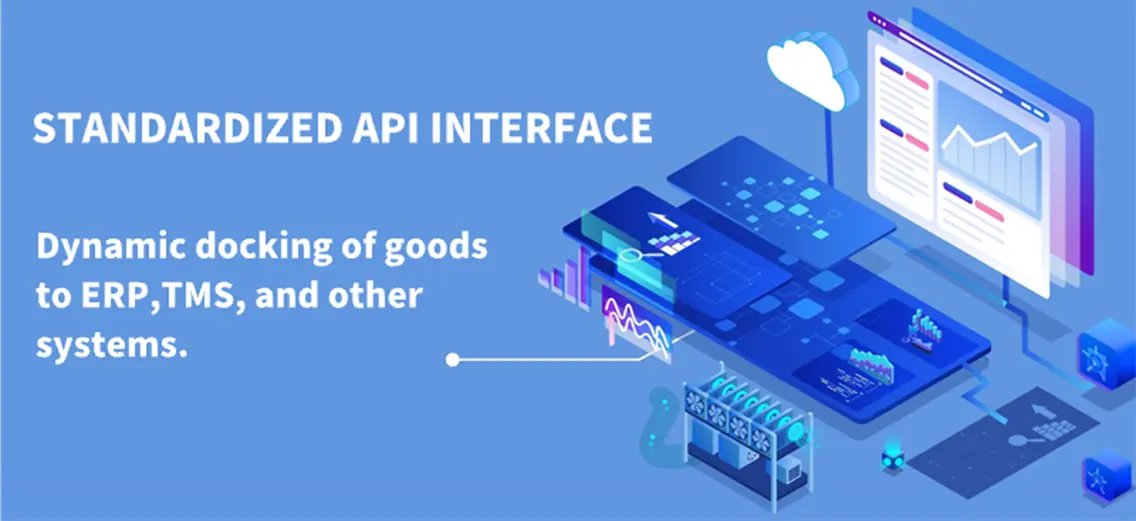
Through API interface integration, the dynamics of goods can be automatically written back to internal systems and customer service systems of the enterprise, assisting global logistics enterprises, supply chain enterprises, cross-border e-commerce enterprises, software platforms and other enterprises to achieve more efficient and refined goods tracking management, and to do risk control and prediction in advance.



How leading sectors utilize Trackingeyes API to resolve specific domestic distribution hurdles.
Toyota, Honda, and Nissan rely heavily on Kanban (Just-In-Time) inventory styles. Any ocean transit delay of components from Southeast Asia can trigger complete factory shutdowns. Our tracking solutions provide dynamic alert profiles, enabling quick adjustments to backup source suppliers.
Japanese clean-room and lithography machinery shipped from Kobe/Osaka requires rigorous environmental tracking. Incorporating GPS and marine container tracking API feeds helps prevent cargo pick-up delays at European or US destination ports, minimizing expensive exposure to changing temperatures.
Imports of fresh salmon and specialized beef into Japan demand constant temp control. Knowing the exact moment of a vessel's ATA (Actual Time of Arrival) at Tokyo Port allows immediate customs filing, accelerating transit to temperature-controlled logistics centers.
The future of trackingeyes is cognitive: shifting from reactive milestones to proactive decision-making.
Today, our customers tap into direct shipping-line APIs, AIS satellite feeds, and automated port terminal scrapers to build a singular visual timeline. With coverage spanning 99% of global container fleets, we aggregate terminal operating system (TOS) updates directly from ports like Yokohama and Tokyo to predict container discharges.
Our upcoming machine learning iterations utilize decades of ocean current, weather pattern, and port congestion histories to predict arrival delays before they happen. By warning logistics managers of potential issues up to seven days before arrival, we help businesses preemptively optimize supply chain flows.
Meeting the strict quality standards of the Japanese corporate sector.
Entering the Japanese market requires strict adherence to security protocols, reliability parameters, and personal data regulations. Trackingeyes is fully engineered to meet these corporate requirements:
We process zero Personally Identifiable Information (PII) regarding end-consumers. All vessel tracking, container milestones, and API telemetry comply strictly with Japan's Act on the Protection of Personal Information (APPI).
For large enterprise customers linking APIs directly to core SAP or internal Oracle infrastructures, we offer structured service level agreements guaranteeing maximum data availability and minimal system latency.
Our customer success team operates 24/7 in English and Japanese. We provide detailed technical onboarding and API mapping support to ensure seamless implementation.
Answering vital questions on integration, costs, data fidelity, and regional deployment in East Asia.
Select from our specialized APIs, manifest calculators, and multi-modal tracking engines designed for Japanese logistics operations.
Connect with our technical integration experts to custom map container coordinates, configure ERP pipelines, and optimize cargo visibility for the Japanese market.
 Trackingeyes