High-performance tracking models optimized for Montevideo Port, regional free zones, and transshipment operations.
Analyzing macro-logistics trends, Montevideo Port infrastructure expansion, and regional transit corridors.
Strategically positioned between maritime powerhouses Brazil and Argentina, Uruguay has evolved into a premier logistics and distribution hub for the Southern Cone (Mercosur). Historically, the Port of Montevideo has operated as a key transshipment gateway. It routes freight destined for landlocked Paraguay, the agricultural heartlands of Argentina, and the southern industrial sectors of Brazil via the Hidrovía Paraguay-Paraná river system.
The modern logistics framework in Uruguay relies heavily on its unique legal structures, specifically the Uruguayan Free Zone Law and the Free Port Protocol. Operations inside free trade zones like Zonamerica and the WTC Free Zone allow multinational manufacturers to run centralized distribution operations. However, this transit volume introduces severe visibility challenges. Shipments pass through various custom authorities, ocean carriers, feeder lines, and regional trucking operators, making a unified shipment tracking platform a operational necessity.
Uruguayan regulations permit tax-free storage and cargo manipulation, turning Montevideo into a transit hub for high-value merchandise bound for the Mercosur region.
Seamlessly transitioning ocean containers from mega-vessels at Montevideo Port to regional river barges, road corridors, and air cargo routes.
With ongoing dredging projects pushing Montevideo Port's depth to 14 meters, the hub is preparing for next-generation Neo-Panamax containerships.
As maritime trade volumes rise, the port risks congestion and customs clearance bottlenecks. Importers and exporters face detention and demurrage liabilities if container activities are not logged in real time. Accurate, API-first shipment tracking services provide the data visibility required to minimize terminal storage fees, coordinate inland transport, and improve customer satisfaction across Latin America.
Traditional tracking systems depend on standard EDI 315 messages provided by container carriers. While useful in domestic point-to-point routes, EDI updates become unreliable in the complex transshipment lanes of South America. When cargo arrives in Montevideo for transshipment to Buenos Aires, Asunción, or Rio Grande, the carrier updates often lag by 24 to 72 hours, resulting in significant data gaps.
| Tracking Method | Average Data Latency | Uruguay Customs Integration | Reliability in Transshipment |
|---|---|---|---|
| Standard Carrier EDI (315) | 12 - 36 Hours | None | Low (High risk of missing feeder connections) |
| Port Terminal Scraping (Manual) | 6 - 12 Hours | Requires portal logins | Medium (Prone to human error and formatting changes) |
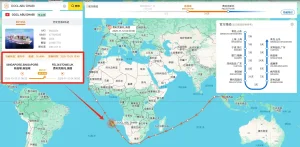
| AIS Terrestrial/Satellite Tracking | Real-time (<10 mins) | Cross-verified with VUCE | High (Constant vessel location updates) |
| Trackingeyes Data Fusion | < 5 Minutes | Automated DNA Integration | Excellent (Predictive ETAs using AI engines) |
The consequences of tracking failures are financially significant. Container pick-up delays at Montevideo terminal docks are often caused by misaligned documentation and delayed updates. If terminal custom officers do not receive the manifest on time, cargo sits idle. In Uruguay, port storage charges and demurrage fees accumulate daily, quickly eroding the profit margins of international manufacturers. Automated milestone alerts for port openings, custom clearance updates, and real-time vessel tracking help cargo owners manage these risks proactively.
Proven data infrastructure supporting enterprise logistics pipelines worldwide.
Transparent tiered pricing designed to support both medium-sized exporters and global enterprises.
Understanding the pricing structure of enterprise-grade tracking platforms is key to managing logistics costs. Trackingeyes offers flexible models tailored to the shipping volume, interface requirements, and system integration needs of businesses operating in Uruguay and the broader Mercosur region. The service tiers balance data depth, API call frequency, and direct ERP connectivity.
| Service Tier | Monthly Volume (Containers) | Estimated Cost / Container | Key Features Included |
|---|---|---|---|
| Startup / Lite | Up to 100 | $1.20 - $1.50 USD | Web Dashboard access, basic email alerts, standard ETA milestones, 12-hour updates. |
| Professional Growth | 101 - 1,000 | $0.75 - $1.10 USD | REST API access, AIS vessel tracking integration, custom port opening alerts, 4-hour updates. |
| Enterprise Logistics | 1,001 - 5,000 | $0.40 - $0.70 USD | Dedicated API endpoints, AI predictive ETA (PETA), SAP/Oracle ERP connector, real-time updates. |
| High-Volume / Global | 5,000+ | Custom Quote | SLA guarantees, custom local database configurations, 24/7 dedicated engineering support. |
For custom pricing, integration requests, or specific quotes targeting specialized lanes (such as Montevideo to landlocked Asunción or overland transport corridors to Brazil), our engineering team provides tailored consultations to align our data feeds with your operational workflows. Get in touch to request a detailed quotation.
Enterprise procurement teams must look beyond pricing to evaluate how tracking software fits their wider IT ecosystem. System security, data sovereignty, and integration flexibility are critical factors when selecting a vendor. Key evaluation criteria include:
Trackingeyes meets these enterprise standards by providing customizable JSON payloads, secure access tokens, and a reliable data architecture. This ensures logistics teams receive consistent milestone updates without manual database clean-up.
Import and export compliance in Latin America requires careful management of regulatory documentation. In Uruguay, tracking solutions must integrate with the National Customs Directorate's (Dirección Nacional de Aduanas) systems, specifically through the VUCE (Ventanilla Única de Comercio Exterior) portal. Aligning shipment tracking data with VUCE customs clearances helps minimize import processing delays.
Additionally, logistics managers must navigate compliance standards across the Mercosur region, including Argentina's SIMI/SIRA regulations and Brazil's Siscomex protocols. A tracking system that monitors container milestones alongside custom status updates allows operators to address documentation issues before the cargo reaches the port. This proactive compliance model helps reduce terminal storage charges and regulatory penalties.
The shipment tracking industry is shifting from reactive updates to predictive forecasting. The next generation of supply chain visibility platforms will combine multiple data inputs—such as historical vessel transit patterns, seasonal weather trends, and port congestion indexes—to generate more accurate arrival predictions.
At Trackingeyes, our technology roadmap focuses on: Predictive ETA (PETA) engines that recalculate arrival windows in real time during vessel delays; IoT Smart Container Integration for real-time monitoring of temperature, humidity, and shock; and Feeder Route Optimization to track cargo movements from deep-sea hubs to regional river networks. This data-driven approach helps logistics managers identify and mitigate supply chain disruptions early.
Founded in 2015, Trackingeyes is a leading provider of global end-to-end logistics tracking and supply chain visualization solutions. With a founding team boasting over ten years of logistics expertise, we deeply understand industry pain points. We specialize in global end-to-end cargo tracking by sea and air, serving thousands of import and export enterprises worldwide. Our services include customizable tracking solutions and open API data interfaces to enhance supply chain visibility and operational efficiency.
The platform achieves full chain data coverage from the source to the terminal through the collection and aggregation of data sources, including logistics information from various data sources such as stations, terminal, customs, shipping companies, and airlines. Through the Trackingeyes’ Platform, customers can quickly connect with hundreds of global data sources, greatly improving the efficiency and intelligence of logistics tracking.



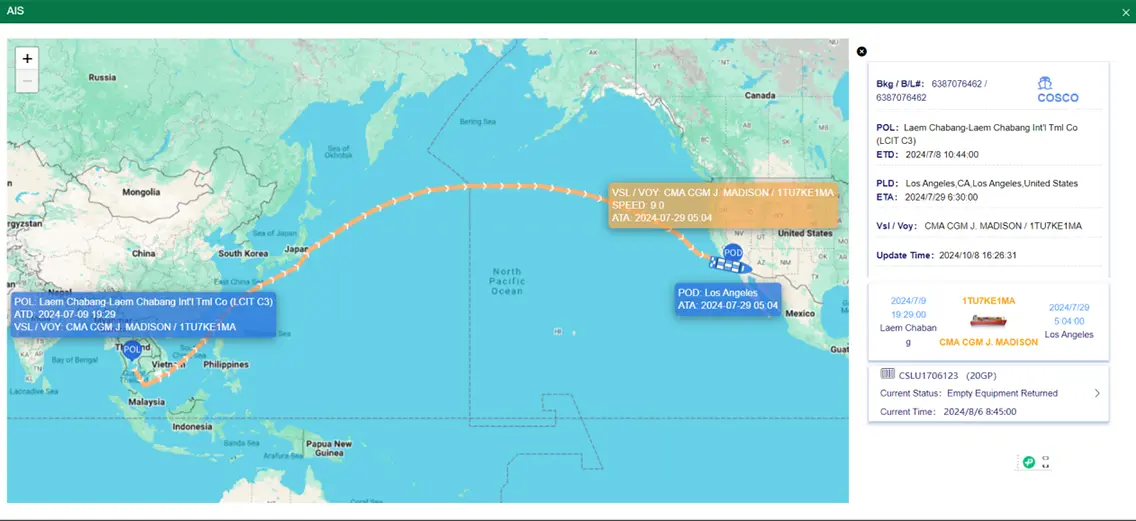
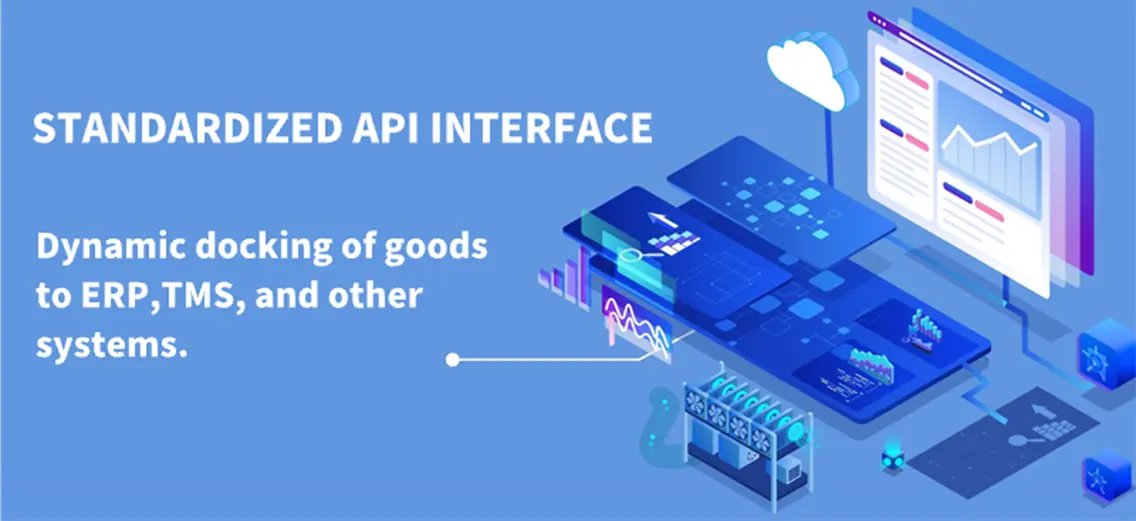
Automatically write transit milestones back to internal ERP or CRM systems to manage cargo risk proactively.
Continuous status updates across shipping lines and airports, reducing data fragmentation for logistics teams.
Technical insights on integration, data accuracy, and regional operations in Uruguay.
Scalable tracking tools and data connectors to streamline your international logistics.
Connect with our data engineers to set up a developer trial or request a customized integration quote for your shipping lines.
Send Inquiry Now Trackingeyes