Explore our elite suite of automated tracking and route optimization services customized for Prague, Brno, and Ostrava export corridors.

The Czech Republic is traditionally known as the industrial engine of Central Europe. Due to its landlocked geography, Czech industries depend entirely on intermodal logistics networks connected to major sea terminals like Hamburg, Bremerhaven, Rotterdam, Gdansk, Koper, and Trieste. For Czech manufacturing, automotive sectors (such as Škoda Auto), and heavy machinery exporters, visibility over these intermodal pathways is not a luxury—it is a critical necessity.
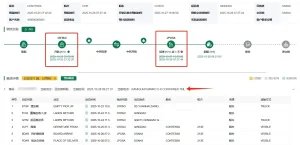
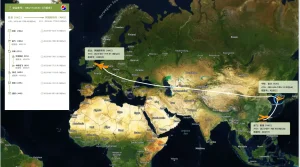
Historically, a cargo container shipped from Ostrava to the Port of Hamburg had to traverse multiple rail and road authorities. Data silos between the Czech state railways (ČD Cargo), German rail networks, and terminal operators at the ports created huge tracking blind spots. Our Shipment Tracking Services eliminate these gaps by fusing ocean carrier AIS data, rail GPS telemetry, and port terminal operating systems (TOS) into a single, unified data stream. This ensures Czech enterprises can manage real-time transport risks, prevent demurrage fees, and coordinate assembly line schedules with absolute accuracy.
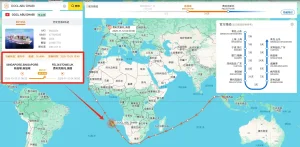
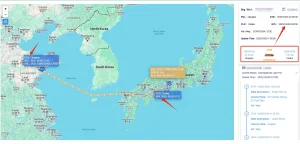
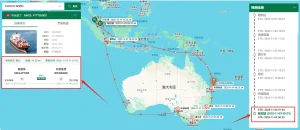
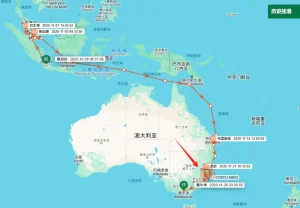
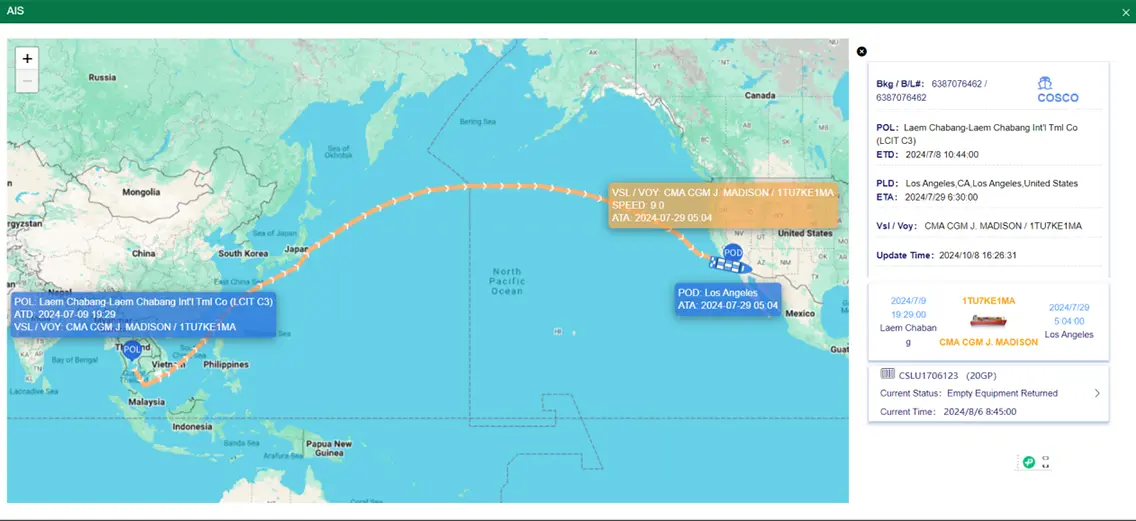
On a global scale, maritime freight is entering a "Visual Era" where ship coordinates are updated in real time via Automatic Identification System (AIS) satellite transponders. By parsing raw telemetry through advanced AI algorithms, we calculate the estimated time of arrival (ETA) at key waypoints rather than relying solely on carrier estimates.
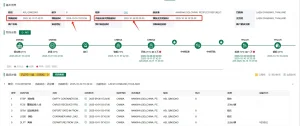
Through dynamic geofencing, our tracking engine notifies logistics teams the moment a ship enters port boundaries, starts unloading, or gets delayed due to weather or canal congestion. This visibility level directly impacts the bottom line, helping importers reduce safety stock levels and significantly optimize working capital.
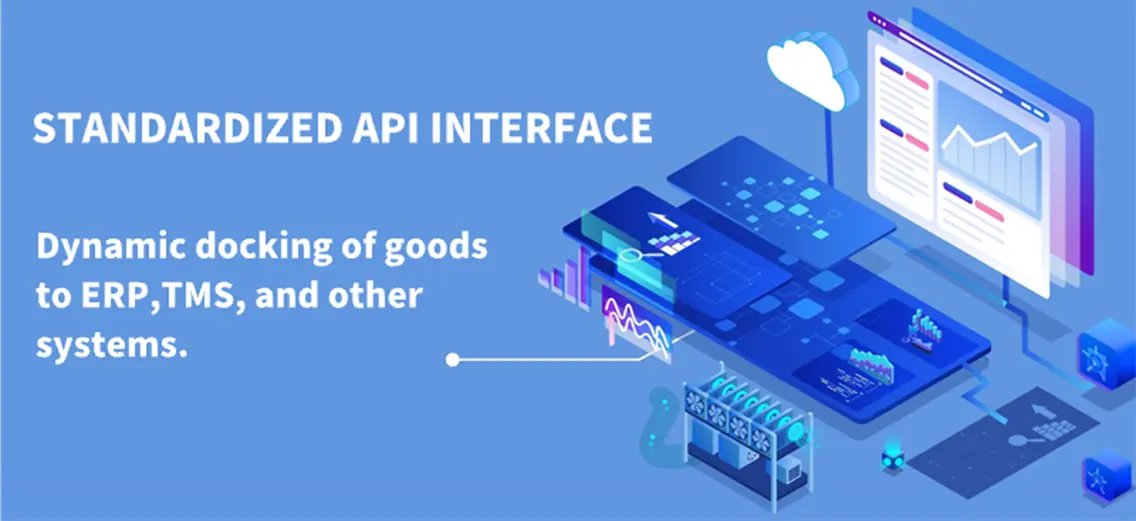
Modern enterprises require seamless integration with their existing internal resource planning tools. Our tracking platform is designed to interface directly with major ERP and Supply Chain Management (SCM) software, including SAP, Oracle, Microsoft Dynamics, and local systems like Helios Orange/Green.
Through our SaaS API layer, developers can request automated updates on a container's current location, historical milestones, and predictive ETAs. Using webhook endpoints, your internal client service portals can receive instant updates on status changes, eliminating manual container status checks.
AIS Satellites, Port EDI, Carrier API, Rail GPS & Terminal TOS Feeds
ETA Prediction Algorithms, Route Optimization & Congestion Modeling
Direct integration to SAP, Helios, MS Dynamics & Client Portals
We offer flexible pricing models suited for both mid-sized Czech exporters and large multinational enterprises. Our services are structured around monthly API call volume, the number of tracked containers, and requested historical data depth. Review our standardized tier structure below:
| Service Plan | Monthly Capacity | Key Features | Standard Pricing |
|---|---|---|---|
| Starter / SME Hub | Up to 100 Shipments | Web Dashboard access, email alerts, basic ocean carrier tracking, and standard support. | Custom Quote (From €199/mo) |
| Professional Enterprise | Up to 1,000 Shipments | Direct API integration, satellite AIS tracking, predictive ETA notifications, and 24/7 technical support. | Custom Quote (From €599/mo) |
| Global Logistics Conglomerate | 1,000+ Shipments | Unlimited API calls, dedicated account manager, Custom Webhook integrations, SLA guarantees, and cold-chain temperature telemetry monitoring. | Contact Sales (Tailored pricing) |
Select our dedicated tools below to construct your integrated freight tracking ecosystem.
Providing reliable logistics tracking and visualization technologies globally since 2015.
Founded in 2015, Trackingeyes is a leading provider of global end-to-end logistics tracking and supply chain visualization solutions. With a founding team boasting over ten years of logistics expertise, we deeply understand industry pain points.
We specialize in global end-to-end cargo tracking by sea and air, serving thousands of import and export enterprises worldwide. Our services include customizable tracking solutions and open API data interfaces to enhance supply chain visibility and operational efficiency.
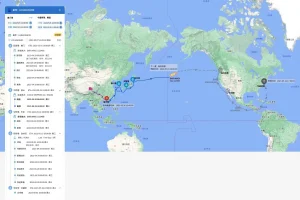
The platform achieves full chain data coverage from the source to the terminal through the collection and aggregation of data sources, including logistics information from various data sources such as stations, terminals, customs, shipping companies, and airlines. Through the Trackingeyes' Platform, customers can quickly connect with hundreds of global data sources, greatly improving the efficiency and intelligence of logistics tracking.
Through API interface integration, the dynamics of goods can be automatically written back to internal systems and customer service systems of the enterprise, assisting global logistics enterprises, supply chain enterprises, cross-border e-commerce enterprises, software platforms, and other enterprises to achieve more efficient and refined goods tracking management, and to do risk control and prediction in advance.


To understand the local impact of tracking technologies, we can look at the typical operations of a Tier-1 automotive components manufacturer based in Liberec. The manufacturer imports raw steel and electronics components via Rotterdam, transit-ships them by rail to the terminal in Prague-Uhříněves, and then transfers them by truck to the factory floor.
Before implementing Trackingeyes API solutions, dispatchers had to check four different carrier portals manually. If a vessel was delayed due to congestion at Rotterdam, the factory only found out after the container missed its scheduled train departure, leading to costly manufacturing downtime. Today, our automated notifications alert their ERP system of delays 72 hours before arrival, allowing them to adjust line schedules dynamically and source buffer inventory locally.
As we look towards the next decade, supply chain visibility will shift from historical tracking to predictive modeling. Technologies like machine learning algorithms will forecast delays by evaluating port density, historic carrier performance, weather dynamics, and strike actions.
Furthermore, global sustainability regulations will require companies to report their carbon footprint. Future tracking systems will calculate Scope-3 transport emissions automatically based on vessel routing and weight profiles. Implementing a tracking platform today ensures your business is prepared for tomorrow's regulatory and environmental requirements.
Find answers to common questions about tracking integration, pricing models, and data reliability.
Connect with our technical integration experts for a custom shipment tracking quote and system demo.
Send Inquiry Now Trackingeyes