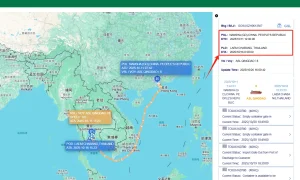
Explore our premium real-time monitoring and disruption prediction capabilities designed to minimize turnaround delays.
The Seoul Capital Area (SCA), encompassing the massive metropolis of Seoul, Gyeonggi Province, and Incheon, is the undisputed commercial heart of South Korea. Ranking as one of the world's most dense technology and industrial hubs, this region commands over 50% of the country’s industrial GDP. However, maintaining operational fluidity requires hyper-accurate tracking services due to multi-modal complexities across Incheon International Airport (ICN), Incheon Port, and critical inland dry terminals like Uiwang ICD.
For globally connected electronics manufacturers in Gangnam, digital media creators in Sangam-dong, and heavy chemical producers in Gyeonggi, dispatch delays, customs gridlocks, and unannounced schedule changes carry massive financial penalties. Implementing advanced API-first vessel and container tracking platforms mitigates these risks, delivering actionable milestones directly to ERP backbones.
In modern international trade, tracking a shipment is no longer just about knowing its current geographic location. Supply chain executives demand semantic clarity—understanding *why* a delay is occurring, predicting its knock-on effects at the destination warehouse, and executing remedial workflows automatically.
Seoul serves as the global brain of chip development and advanced electronics. High-value cargo routed through Incheon requires strict temperature controls, precise air freight flight updates, and immediate customs clearing visibility. A delay of just four hours at the airport's cargo terminal can cause assembly shutdowns in nearby industrial parks (such as Suwon or Yongin). Our automated air freight tracking engine monitors air waybills (AWB) directly against airline schedules, updating ETA estimations dynamically through weather and airport ground traffic analysis.
Importers in Gyeonggi often lose track of container arrivals at Incheon Port, resulting in severe terminal storage penalties. With our specialized *Port Opening Alert & Cut-off Tracking* algorithm, transport managers receive push alerts the exact minute a vessel enters the anchorage area, ensuring customs brokers submit import clearances in the optimal time window. This system has reduced demurrage fees by up to 35% for regional manufacturing operations.
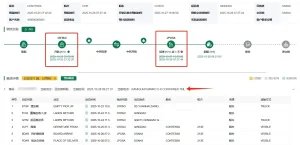
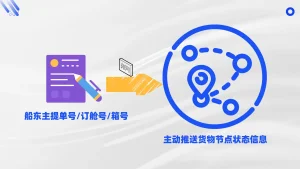
Many logistics companies claim to offer end-to-end global tracking, but they rely on manual web scraping of shipping line sites. When a carrier's portal changes, the data pipeline breaks. Trackingeyes solves this by aggregating raw AIS signals, port terminal EDI (EDI 315/310/214), airline flight manifests, and customs notifications into a single standardized RESTful JSON payload. Developers inside Seoul's logistics enterprises can integrate this unified API in less than 48 hours.
Combining AI prediction models with real-time IoT feeds to deliver unparalleled tracking accuracy.
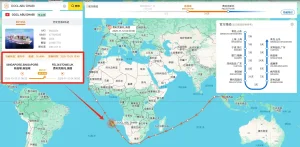
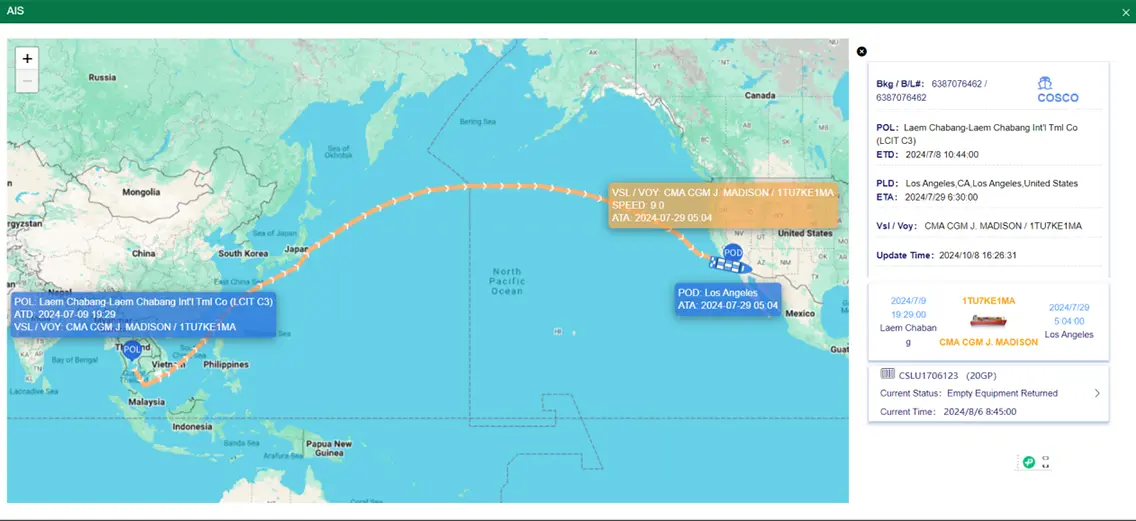
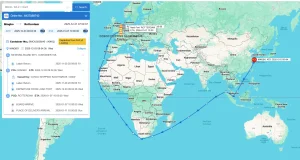
Leverages both terrestrial and satellite AIS networks to continuously map the position of cargo ships. Ideal for trans-Pacific and intra-Asia routes targeting Busan, Gwangyang, and Incheon ports.
Seamlessly integrates with dominant enterprise suites like SAP, Oracle, and local ERP frameworks widely used in South Korea. Features auto-data ingestion and automated trigger logs.
Calculates dynamic arrival forecasts based on historic sailing times, port congestion indexes, transshipment dwell times, and seasonal weather patterns in the East China Sea.
Deploy tracking microservices immediately with our unified API. Obtain real-time vessel schedules, ETA corrections, and automated air freight tracking endpoints within minutes.
Register for API KeyIntegrate these industry-tested components into your supply chain management console.
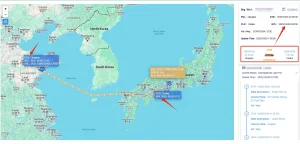
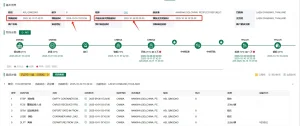
"Integrating automated tracking APIs allowed our Seoul-based shipping agency to automate all delivery status reporting for our Samsung Electronics supply routes, lowering client services ticketing by 42% in the first quarter."
Navigating East Asian maritime trade routes requires absolute compliance with local regulatory frameworks. Our tracking engines dynamically cross-reference updates with the Korea Customs Service (UNI-PASS) systems. This compliance layer ensures all container data meets safety, hazardous material flags, and localized commercial invoicing practices.
Furthermore, we support eco-conscious shippers in tracking shipping emissions. Our platform maps shipping lines to green routing frameworks, helping Seoul businesses meet modern ESG reporting criteria for clean, visible maritime logistics operations.
Learn About Local Compliance IntegrationFounded in 2015, Trackingeyes is a leading provider of global end-to-end logistics tracking and supply chain visualization solutions. With a founding team boasting over ten years of logistics expertise, we deeply understand industry pain points. We specialize in global end-to-end cargo tracking by sea and air, serving thousands of import and export enterprises worldwide. Our services include customizable tracking solutions and open API data interfaces to enhance supply chain visibility and operational efficiency.
The platform achieves full chain data coverage from the source to the terminal through the collection and aggregation of data sources, including logistics information from various data sources such as stations, terminals, customs, shipping companies, and airlines. Through the Trackingeyes’ Platform, customers can quickly connect with hundreds of global data sources, greatly improving the efficiency and intelligence of logistics tracking.
Review our specialized APIs, hardware-independent maritime databases, and alert systems serving global operators.
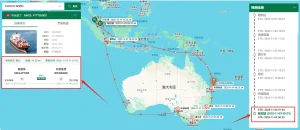
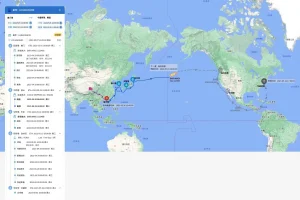
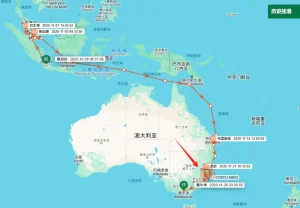
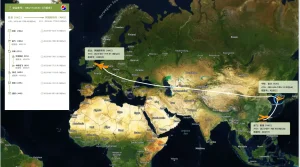
Find answers to critical integration, service capability, and data telemetry queries for tracking ocean and air shipments via Seoul transit routes.
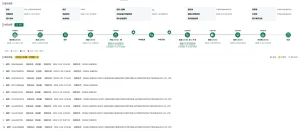
Our platform uses advanced real-time AIS and terminal gate telemetry to monitor dynamic discharge milestones. The system checks container gate-out permissions and issues automatic warnings if custom holds or broker release delays occur. By predicting issues before the container enters demurrage, manufacturing clients avoid expensive warehouse halts.
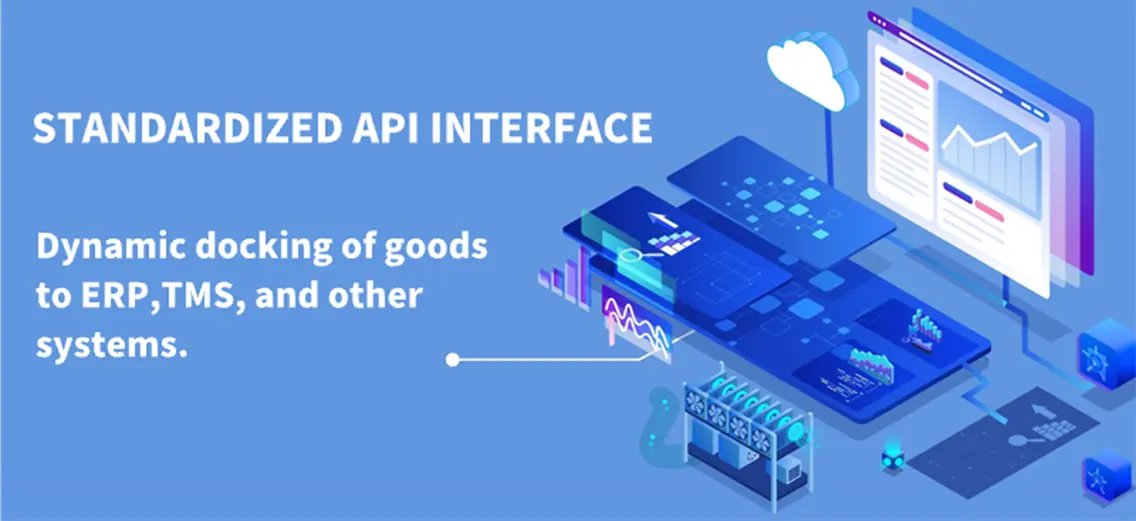
We provide comprehensive RESTful APIs, Webhook integrations, and standardized EDI configurations. Our endpoints seamlessly ingest container tracking status, sailing schedules, carrier route assignments, and flight telemetry, enabling immediate deployment into SAP, Oracle, and proprietary supply chain portals.
Our AI tracking engine achieves over 98.7% ETA prediction accuracy within 48 hours of port arrival. The algorithm factors in Incheon anchorage congestion indexes, ocean weather forecasts, vessel size, and historical port handling rates to predict the exact time a container will be grounded and ready for pick-up.
Yes. By linking ocean carrier milestones with regional container yards (such as Uiwang ICD) and trans-continental rail networks (including North American rail transport nodes), our tracking systems offer seamless intermodal visibility from origin port to the final destination rail spur.
Yes, our system interfaces directly with global airline telemetry, handling and flight schedules at ICN. Shippers receive automated status updates (including cargo accepted, departed, landed, and custom clearance milestones) without having to query multiple carriers manually.
Get in touch with our solutions engineers to build custom shipment alerts, integrate APIs, and receive tailored pricelists for enterprise-grade tracking tools.
Send Inquiry Now Trackingeyes