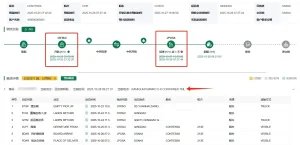
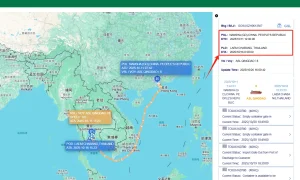
High-precision localized interfaces providing immediate cargo visibility and automated ETA risk control for Tokyo Bay maritime operators.
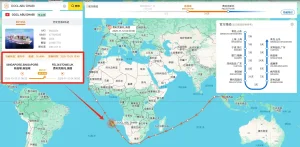
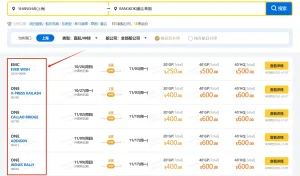
Decoding the complexity of Tokyo Port (Keihin Area) and Haneda-Narita air hubs as engines of high-precision supply chain operations.
The Greater Tokyo Area, serving as the economic engine of Japan and a vital transshipment gateway for the entire North Pacific, handles a massive density of ocean and air cargo traffic. The Port of Tokyo alone handles over 4.5 million TEUs annually, routing major industrial components, electronics, and food resources from Asia-Pacific trade corridors. Because space in metropolitan Tokyo is at an absolute premium, modern warehouses and distribution centers (such as those in Tokyo Bay and nearby Kawasaki or Yokohama) operate on a highly compressed Just-In-Time (JIT) model. There is virtually no margin for error or terminal container storage delays.
This geographic density mandates real-time maritime telemetry. Terminal congestion at Ohi, Aomi, and Shinagawa container terminals is a persistent logistical challenge. Tracking services integrated with AIS (Automatic Identification System) and carrier APIs allow logistics teams in Tokyo to coordinate with chassis providers and drayage trucks dynamically. By forecasting exact terminal container discharge times, companies avoid costly container storage fees (Demurrage & Detention) at the Port of Tokyo, turning unpredictable maritime transport into a reliable, structured factory feed.
Simultaneously, Tokyo’s aviation gateways, Narita International Airport (NRT) and Haneda Airport (HND), act as global lifelines for high-value cargo, including semiconductors, pharmaceutical reagents, and advanced electronics. Due to strict temperature control and fast turnarounds required in air freight, real-time automated tracking must cover everything from airline warehouse status updates to flight takeoff (ATD) and landing (ATA). Any delay in communication or processing of customs paperwork at Narita can lead to product spoilage or assembly line shutdowns in neighboring industrial zones like Tochigi, Saitama, and Kanagawa.
How digital transformation, multi-carrier data consolidation, and Scope 3 ESG regulations drive procurement teams to seek advanced cargo APIs.
Across the globe, supply chain management is transitioning from reactive status reporting to proactive, predictive orchestration. Standard ocean tracking models that relied solely on manual updates or basic EDI status messages (such as 315 files) are no longer sufficient. Today, global enterprise procurement teams demand high-fidelity data feeds characterized by unified API platforms that aggregate data from multiple carriers, satellite AIS constellations, port authorities, and terminal operating systems into a single source of truth.
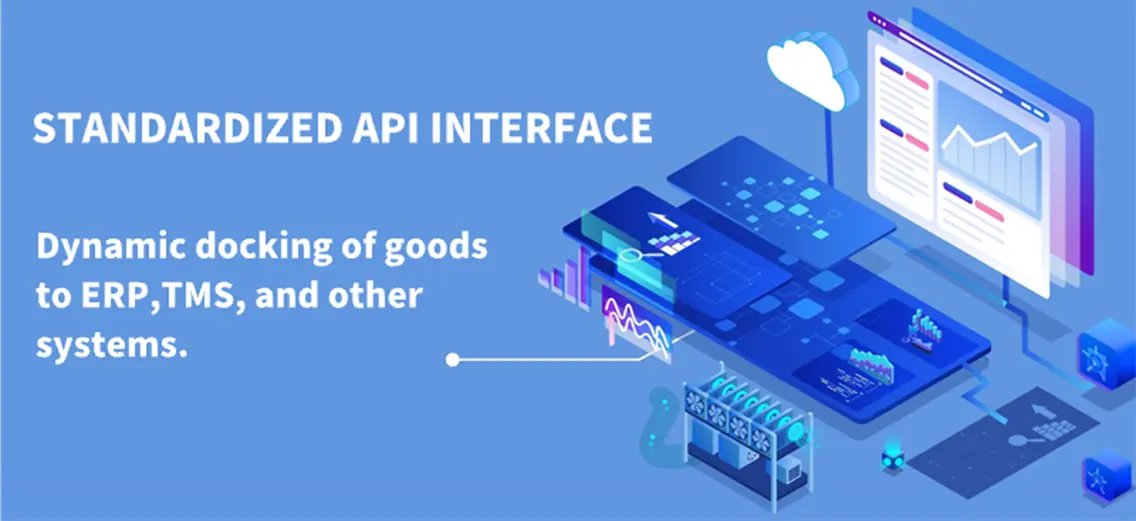
Directly inject vessel telemetry, container status events, and routing schedules into SAP, Oracle, or in-house ERP platforms without manual intervention.
Advanced algorithmic engines bypass carrier-provided estimates, projecting highly accurate arrivals based on historical port latency and weather data.
Calculate cargo carbon footprints down to the individual container level, facilitating strict adherence to modern corporate environmental standards.
In addition to raw vessel position data, enterprise procurement professionals prioritize three distinct metrics when assessing shipment tracking platforms:
Unlocking deep manufacturing automation and digital twins to synchronize seamlessly with Tokyo's rapid distribution networks.
A significant portion of industrial components, consumer goods, and high-tech raw materials destined for Tokyo originates in China’s modernized manufacturing centers. The rise of China Factory 4.0 has revolutionized this cross-border trade route. Factories in regions like the Yangtze River Delta and Greater Bay Area are no longer mere production lines; they are integrated, cyber-physical networks using industrial IoT sensors, automated assembly loops, and smart warehouse execution systems (WES) to optimize production times.
To fully leverage this automated speed, the digital flow must continue beyond the factory gate. When a smart factory in China outputs cargo, tracking metadata (e.g., electronic packing lists and custom cargo identifiers) must instantly link with sailing schedule APIs and real-time AIS vessel telemetry. This connection creates a continuous, automated workflow: the moment cargo leaves the assembly line, the system reserves space on optimal shipping routes, dynamically matches freight rates, and schedules land transportation inside Japan before the container even boards the vessel.
This integration of China Factory 4.0 automation with Trackingeyes' visibility solutions provides global enterprises with a robust defense against supply chain disruption. Instead of relying on manual email communication, logistics managers in Tokyo can monitor the exact manufacturing stage, loading schedules, and ocean routing of their imports. This visibility allows them to quickly adjust production lines or schedule alternative drayage solutions in Tokyo Bay if shipping schedules change unexpectedly.
Your reliable global visibility partner providing cutting-edge tracking solutions for modern ocean and air logistics networks.
Founded in 2015, Trackingeyes is a leading provider of global end-to-end logistics tracking and supply chain visualization solutions. With a founding team boasting over ten years of logistics expertise, we deeply understand industry pain points. We specialize in global end-to-end cargo tracking by sea and air, serving thousands of import and export enterprises worldwide. Our services include customizable tracking solutions and open API data interfaces to enhance supply chain visibility and operational efficiency.
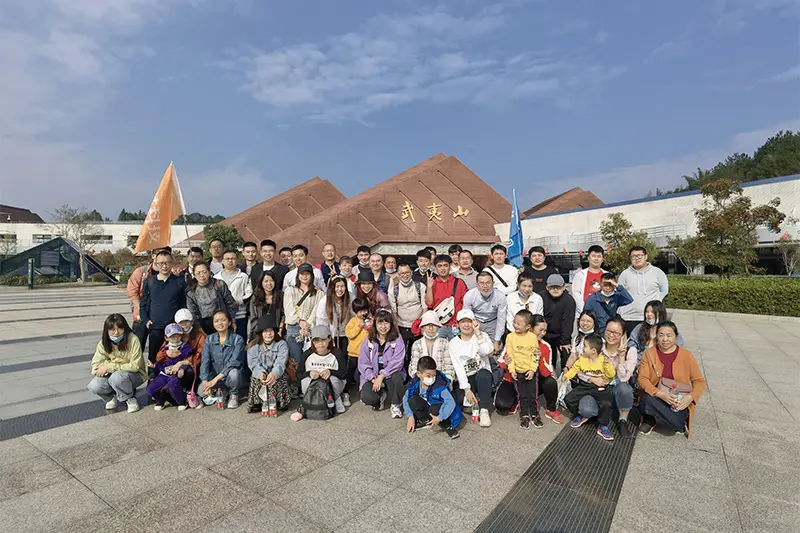
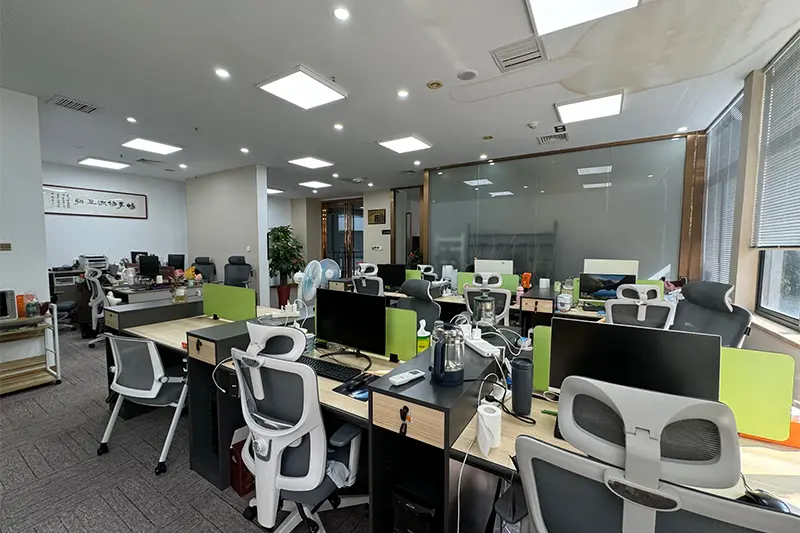
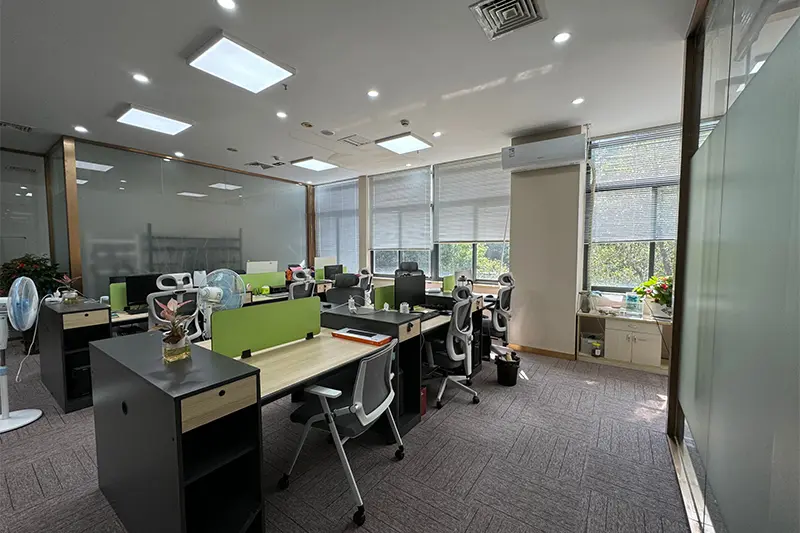
The platform achieves full chain data coverage from the source to the terminal through the collection and aggregation of data sources, including logistics information from various data sources such as stations, terminals, customs, shipping companies, and airlines. Through the Trackingeyes’ Platform, customers can quickly connect with hundreds of global data sources, greatly improving the efficiency and intelligence of logistics tracking.
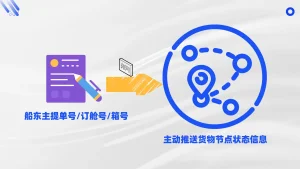
"Through API interface integration, the dynamics of goods can be automatically written back to internal systems and customer service systems of the enterprise, assisting global logistics enterprises, supply chain enterprises, cross-border e-commerce enterprises, software platforms and other enterprises to achieve more efficient and refined goods tracking management, and to do risk control and prediction in advance."
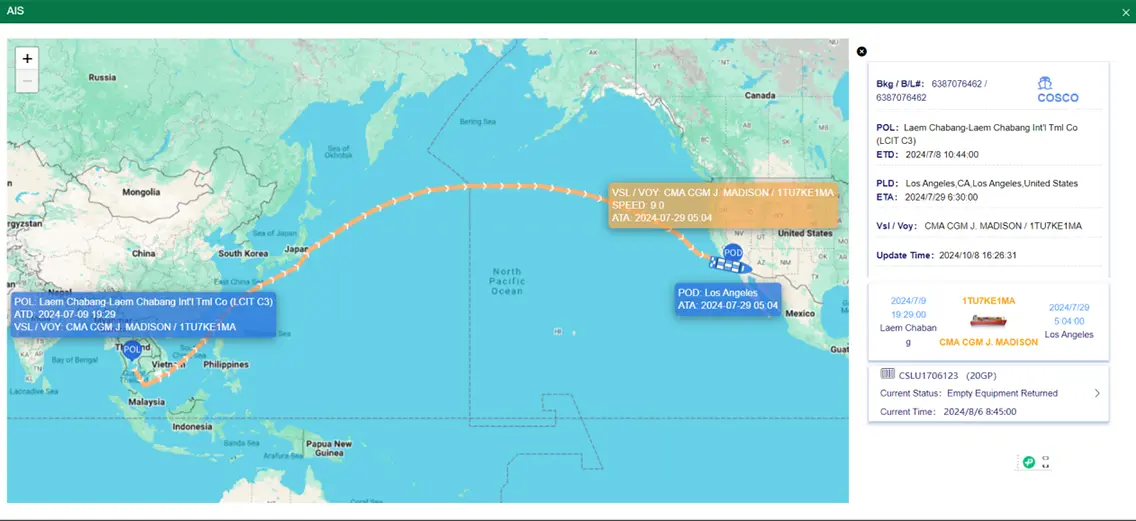
Unlock end-to-end visibility with our trusted tracking platform. We bring proven reliability to both ocean and air cargo tracking, giving you the accurate data and control needed to streamline operations from port to runway. Our systems are built to interface seamlessly with global shipping networks, bridging physical bottlenecks with continuous digital telemetry.
Choose the integration and tracking tier designed for your operational volume and technical infrastructure.
| Service Plan | Best Suited For | Data Sources Included | API Frequency | Pricelist (Est. Monthly) |
|---|---|---|---|---|
| Professional Web Access | Small-to-medium importers in Tokyo Bay | Ocean tracking, Port-to-Port updates, limited AIS | 4 updates / day | $199 / Month (Flat Rate) |
| Standard API Integration | Growing trade companies & Freight Forwarders | Global AIS, Container Milestones, Port alerts | Hourly Syncs | $499 / Month (Up to 10k API calls) |
| Enterprise Visual Engine | Large Manufacturers & Global ERP Systems | Satellite AIS, Terminal Status, Air cargo tracking, Carbon index | Real-time (Webhooks) | Custom Quote / Volume Based |
How regional enterprises implement tracking telemetry to optimize operational efficiency and resolve local bottlenecks.
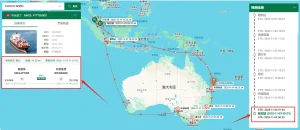
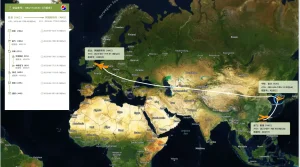
In high-tech industries, delayed component arrivals translate directly into idle assembly lines. Leading automotive component distributors in Saitama utilize Trackingeyes’ Air Freight tracking solution to monitor incoming shipments from South China airports. By pulling real-time airline data feeds, transit milestones, and flight trajectory telemetry via API, they can coordinate local customs clearance brokers and temperature-controlled transport vehicles. This synchronization reduces dwell times at Narita cargo warehouses by over 40%, ensuring cargo stays within its required temperature profile.
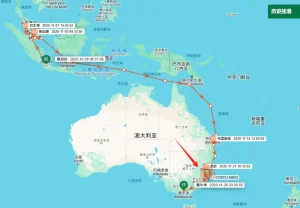
Tokyo's Ohi Container Terminal is notorious for long truck turnaround lines, particularly during peak import seasons. Using automated port opening notifications and container discharge alerts, Tokyo-based logistics providers coordinate with local drayage companies. Trucks are dispatched only when the container is discharged from the vessel and cleared by Japan Customs, minimizing idle truck times and avoiding congestion surcharges in the Port of Tokyo.
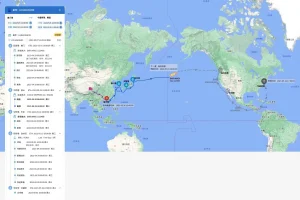
For Japanese trading houses managing complex supply chains spanning North American rail and transpacific ocean routes, coordinating cargo handovers has historically been a black box. By integrating dynamic rail milestone tracking with transpacific AIS telemetry, logistics teams can accurately predict vessel connections. This tracking helps prevent roll-over issues and allows operators to adjust warehouse space allocation in central Japan beforehand.
Expert technical answers to key questions about shipment tracking, API implementation, and Tokyo Bay maritime operations.
Connect with our integration team to access custom pricing models, schedule API demos, and implement high-precision container tracking workflows for your business.
Send Inquiry NowExplore our full suite of APIs, tracking tools, and ERP visualization engines designed to secure your international logistics operations.
 Trackingeyes