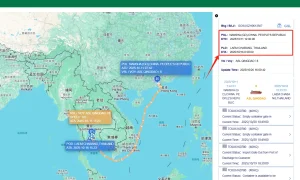
Shipment Tracking Services Pricelist & Product in the Singapore Market

Unlocking Real-Time Ocean & Air Freight Visibility inside Southeast Asia's Premier Maritime Hub

Send Inquiry Now

Singapore Market Cargo Tracking Specialties

Immediate digital solutions to combat dwell-time challenges, vessel delays, and unpredictable cargo arrivals at PSA Singapore Terminals.
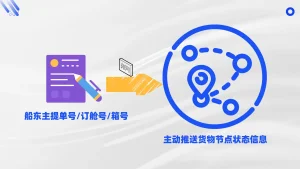
Singapore Port Cargo Pick-Up Failure Mitigation

Singapore Port Cargo Pick-Up Failure Mitigation & Key Insights for Electronics Manufacturers

View Insights
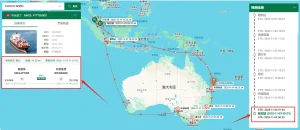
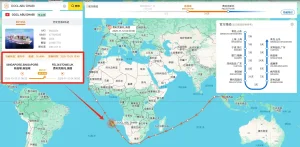
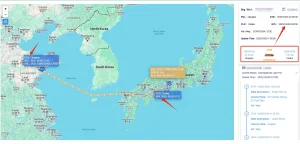
Singapore Real-Time AIS Vessel Tracking

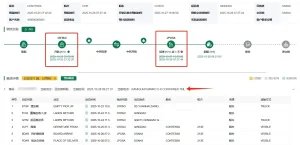
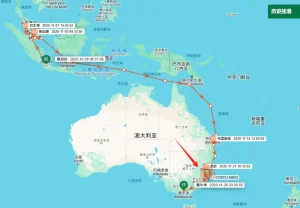
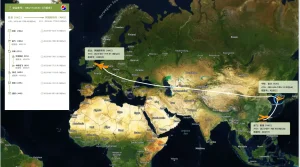
Singapore Real-Time AIS Vessel Tracking: Instant ATD & ATA Port Updates

Request Price
Singapore Shipping Optimization Engine

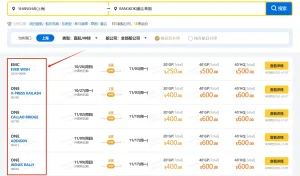
Singapore Shipping Optimization: Vessel Schedule & Freight Rate Auto-Matching Engine

Explore Engine
Singapore Trackingeyes Automated Cargo Data Integration

Singapore Trackingeyes Automated Cargo Data Integration for Dynamic ETA Management

Explore Trackingeyes

Singapore's Evolving Maritime & Logistics Ecosystem

As the world's busiest container transshipment hub, Singapore sits at the intersection of crucial global trade corridors. With the ongoing expansion of the Tuas Megaport, which is set to handle up to 65 million TEUs annually upon completion in the 2040s, the physical infrastructure of maritime transport in Singapore is reaching unprecedented scales. However, scaling physical throughput alone cannot solve the complex delays, schedule changes, and congestion in global supply chains. Real-time digital insight is the critical element that turns physical capacity into structured reliability.

"In modern logistics, data visibility is no longer a premium feature; it is the infrastructure. For enterprises routing freight through the Malacca Strait, a 4-hour delay in receiving actual container status updates can mean thousands of dollars in missed connections and demurrage penalties."

The Singapore maritime market presents unique challenges. Over 85% of containers arriving in Singapore are transshipped, meaning they must be transferred from one vessel to another within strict time windows. Disruptions in the Red Sea, port congestion in China, or extreme weather patterns in the Indian Ocean immediately ripple into PSA terminals, causing massive schedule fluctuations. In this volatile environment, relying on legacy EDI updates and static carrier reports creates visibility gaps that harm logistics operators, manufacturers, and cargo owners alike.

Why Real-Time Cargo Visibility in Singapore is Essential

Traditional tracking systems rely on manually updated container event milestones. These systems fail when vessels sit at Singapore's anchorages waiting for berths, or when containers are rolled over to different voyages due to schedule changes. By utilizing advanced AIS (Automatic Identification System) vessel tracking combined with direct terminal data integration, Trackingeyes bridges this gap. Our services offer predictive, real-time intelligence that empowers logistics managers to make proactive routing decisions rather than reactive crisis calls.

200m+
Daily AIS Vessel Ping Processing
98.5%
ETA Calculation Accuracy Rate
100+
Integrated Ocean & Air Carriers
<2 Sec
API Query Latency Under Peak Load

Technology Roadmap: The Future of Maritime Data Fusion

The technology driving shipment tracking is transitioning from legacy point-to-point EDI connections to multi-source data fusion engines. At Trackingeyes, our engineering roadmap centers on consolidating AIS telemetry, IoT container sensors, port terminal operating systems (TOS), and predictive AI models into a single, cohesive visibility pipeline.

1. Multi-Sensor AIS Integration
Merging terrestrial base-station data with satellite AIS receivers to eliminate deep-sea visibility dead zones in the South China Sea and Indian Ocean.
2. Dynamic Predictive ETA
Using machine learning algorithms to analyze historical port dwell times, vessel queue sizes, and meteorological data to forecast arrival times within a 2-hour window.
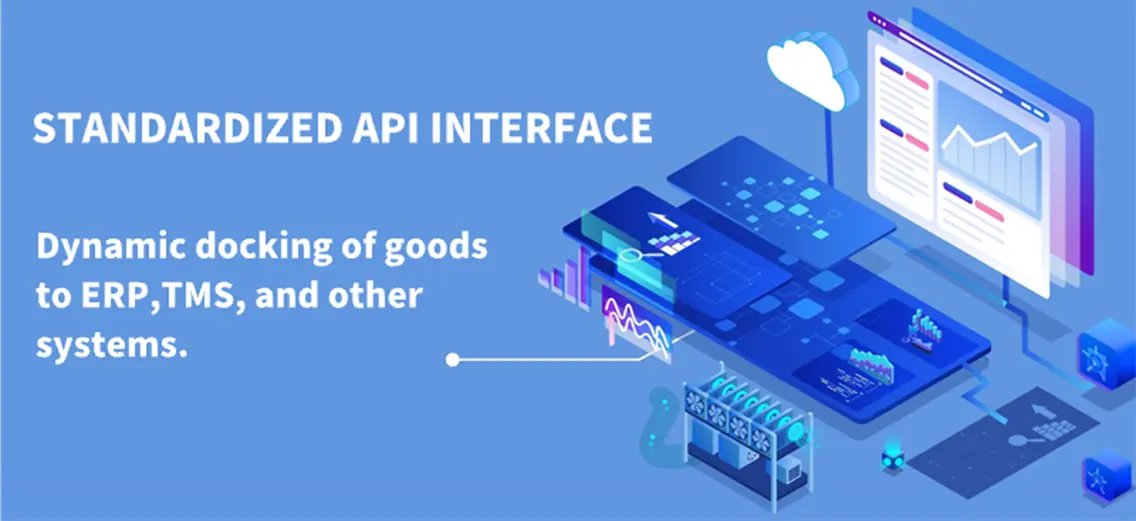
3. RESTful API & Webhooks
Providing real-time JSON push payloads that integrate into SAP, Oracle, and local ERP architectures, eliminating manual query workloads.

Building Supply Chain Resilience with China Factory 4.0

Singapore's position as a regional hub connects directly to China's massive manufacturing hubs. As China embraces Factory 4.0—featuring highly automated factories, real-time IoT tracking, and demand-driven production—logistics pipelines must keep pace. A delay in transporting critical electronics components or industrial parts from Ningbo or Shenzhen to a Singapore assembly or distribution point can halt entire manufacturing processes.

By connecting Factory 4.0 MES (Manufacturing Execution Systems) with Trackingeyes' dynamic shipping data, organizations can achieve true end-to-end synchronization. Raw material shipping events trigger production rescheduling automatically, while shipping delays alert customers without manual intervention. This level of automation mitigates supply chain risks and maximizes capital efficiency.

Localization Support, Regulatory Compliance, & Data Security in Singapore

Operating a global tracking API within Singapore requires strict adherence to local regulatory frameworks. Singapore maintains some of the world's most rigorous data governance laws under the Personal Data Protection Act (PDPA). Any logistics tracking system handling consignee contact information, driver details, or cargo manifest documents must secure this information carefully.

Trackingeyes complies with PDPA standards and aligns with the Cybersecurity Agency of Singapore (CSA) directives. Our APIs utilize end-to-end TLS 1.3 encryption for data in transit and AES-256 encryption for data at rest. Additionally, we integrate with Singapore's digital trade initiative, SGTraDex (Singapore Trade Data Exchange), ensuring seamless and secure exchange of key logistics documents (such as Bills of Lading, Sea Waybills, and Customs Manifests) among supply chain stakeholders, shipping lines, and regulatory agencies.

Global Procurement & Enterprise Integration Strategies

Global procurement teams select shipment tracking providers based on three main criteria: data reliability, API ease of integration, and transparent pricing structures. Our tracking solutions offer customizable pricing models designed for diverse business requirements:

  • Transactional API Pricing: Ideal for enterprises needing high-volume data integrations directly into ERP systems, billed per milestone check or per container track.
  • SaaS Portal Subscription: Best for logistics departments looking for a turnkey visual dashboard with no coding required.
  • Hybrid Enterprise Licensing: Customized packages that combine bulk API transactions, dedicated support SLAs, and private cloud deployment options.

About Trackingeyes

Founded in 2015, Trackingeyes is a leading provider of global end-to-end logistics tracking and supply chain visualization solutions. With a founding team boasting over ten years of logistics expertise, we deeply understand industry pain points. We specialize in global end-to-end cargo tracking by sea and air, serving thousands of import and export enterprises worldwide. Our services include customizable tracking solutions and open API data interfaces to enhance supply chain visibility and operational efficiency.


Company Overview & Data Coverage

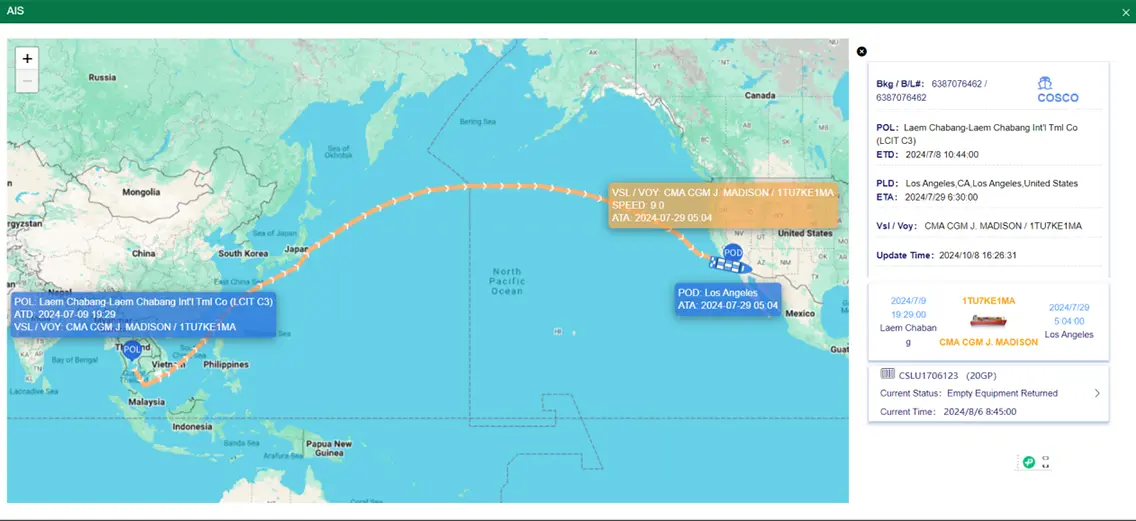
The platform achieves full chain data coverage from the source to the terminal through the collection and aggregation of data sources, including logistics information from various data sources such as stations, terminals, customs, shipping companies, and airlines. Through the Trackingeyes’ Platform, customers can quickly connect with hundreds of global data sources, greatly improving the efficiency and intelligence of logistics tracking.
Complete Tracking Service Catalog & API Products

Explore our full range of solutions covering AIS data, port updates, scheduling APIs, air cargo pipelines, and enterprise ERP visual engines.
Singapore Strategic Shipping Operations API

Singapore Strategic Shipping Operations: Enterprise Sailing Schedule Data API

View API Quotes
Singapore Industrial ERP Upgrade

Singapore Industrial & Trading ERP Intelligent Upgrade: Ocean Logistics Visual Control Tower

View Pricelist
Singapore Port Loading Time Estimation

Singapore Port Loading Time Estimation: Avoid Manifest Delays and PSA Penalties

Get Solutions
Singapore-Managed Multimodal Tracking

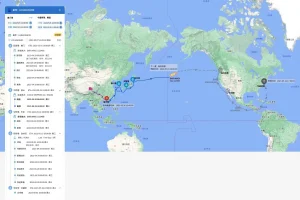
Singapore-Managed Multimodal Tracking: North American Rail Transport Node Monitoring

View Rail Rates
China-Singapore Maritime Intelligence

China-Singapore Maritime Intelligence: Strategic Vessel AIS Value & Integration Advantages

View AIS Specs
Singapore Port Opening Alert & Cut-off Tracking

Singapore Port Opening Alert & Cut-off Tracking: Precision Ocean Freight Operations

View Alerts
Enterprise Vessel AIS Solution

Enterprise Vessel AIS: Ushering Singapore Maritime Trade into the Visual Era

Get Quotes
Changi Hub Automated Air Freight Tracking

Changi Hub Automated Air Freight Tracking Solution for Real-Time Global Cargo Updates

Air Cargo Rates
Singapore Smart Ocean Freight Management

Singapore Smart Ocean Freight Management: Real-Time Tracking Platform for Global Trade

Explore Tech
Singapore Trackingeyes Intelligence

Singapore Trackingeyes Intelligence: Next-Gen Ocean Logistics Data & Tracking Solution

Get Service
Automated PSA ETA Updates

Automated PSA ETA Updates: Multi-Carrier Container Tracking Data Advantages

View Advantage
Trackingeyes Global Visibility

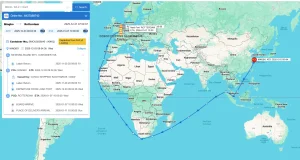
Trackingeyes Global Visibility: China-Singapore End-to-End Maritime Shipping & Real-Time Tracking

Get Pricelist

Expert FAQ: Shipment Tracking in the Singapore & Southeast Asian Markets

Technical guidance and strategic answers to help logistics procurement officers optimize their tracking setups.

Q1: What are the main benefits of real-time AIS vessel tracking for shipments arriving at Singapore ports?
Real-time AIS vessel tracking provides independent location verification that bypasses carrier updates. For Singapore, this ensures precise monitoring of vessels waiting in congested anchorages (such as the Eastern or Western anchorages). Importers and freight forwarders receive actual time of arrival (ATA) calculations up to 48 hours before the carrier updates their system, facilitating better coordination of secondary transport and significantly reducing container storage fees.
Q2: How does the Trackingeyes platform prevent cargo pick-up failures at destinations?
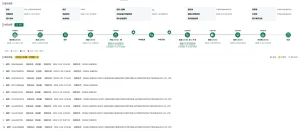
Cargo pick-up failures usually occur due to misaligned document releases, incorrect customs clearances, or unexpected changes in vessel discharge schedules. Our platform alerts teams to key events like port-in dates, customs hold statuses, and final container discharges. These automatic notifications allow operations teams to resolve document discrepancies and dispatch container hauliers precisely when the container becomes ready for pick-up.
Q3: Can your tracking APIs integrate directly with local ERP systems in Singapore?
Yes, our APIs use RESTful architecture to output cargo data in standardized JSON formats. They integrate seamlessly with enterprise ERP platforms (such as SAP S/4HANA and Oracle NetSuite) and local trade solutions like CrimsonLogic. Through webhook configurations, updates write directly into customer management dashboards, helping logistics, warehousing, and finance teams access identical container milestones.
Q4: What data points are included in the Sailing Schedule API?
Our Sailing Schedule API aggregates schedule plans across major shipping lines and alliances. Key data points include Port of Loading (POL), Port of Discharge (POD), Estimated Time of Departure (ETD), Estimated Time of Arrival (ETA), vessel names, IMO numbers, voyage codes, transit durations, transshipment counts, and carrier service names. This information helps shippers compare routes and identify alternative pathways during regional congestion.
Q5: How does tracking data help companies comply with Singapore PDPA requirements?
Trackingeyes isolates and encrypts sensitive customer data. Our database only records freight numbers, container IDs, and vessel positions, while keeping personal consignee details separated from public tracking layers. This architectural isolation helps enterprises comply with Singapore's Personal Data Protection Act (PDPA) while maintaining global supply chain visibility.
Q6: How do you address tracking for multimodal routes, such as sea-to-rail or sea-to-air transit?
We offer comprehensive multimodal visibility by combining carrier APIs, rail sensor networks, and air waybill (AWB) data feeds. When a container transfers from sea to rail (such as at key North American rail hubs) or connects to air freight routes via Singapore Changi Airport, the platform automatically switches to corresponding transport tracking nodes. This maintains a unified visibility chain under a single master tracking record.