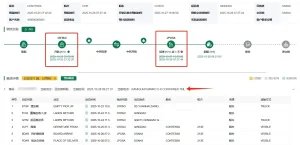
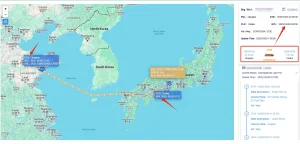
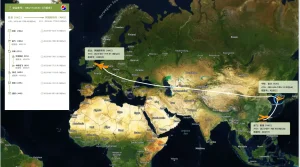
Highly specialized tracking nodes and automated alert matrices optimized for Seattle's maritime gateways, reducing demurrage fees and streamlining harbor drayage.
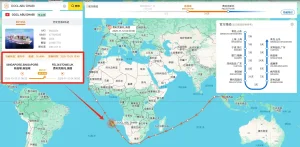
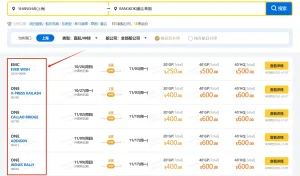
The Pacific Northwest (PNW) serves as the primary speed-to-market gateway for ocean freight inbound from East Asia to North American consumer markets.
As the Northwest Seaport Alliance (NWSA) operations span across the harbors of Seattle and Tacoma, regional supply chain managers face unique localized challenges. Seattle's geographical location provides transit times that are up to two days shorter than Southern California ports. However, this advantage is frequently eroded by intermodal delays, urban highway congestion, and fluctuating terminal dwell times at Terminal 18, Terminal 30, and Terminal 46.
Real-time shipment tracking is no longer just an administrative tool; it has evolved into a key element of risk management. Implementing tracking systems with high-frequency AIS geofencing, terminal gating notifications, and rail car telematics allows logistics coordinators to accurately schedule drayage trucks, coordinate warehouse labor, and prevent costly demurrage and detention charges.
Trackingeyes is a premier provider of global end-to-end logistics tracking and supply chain visualization solutions.
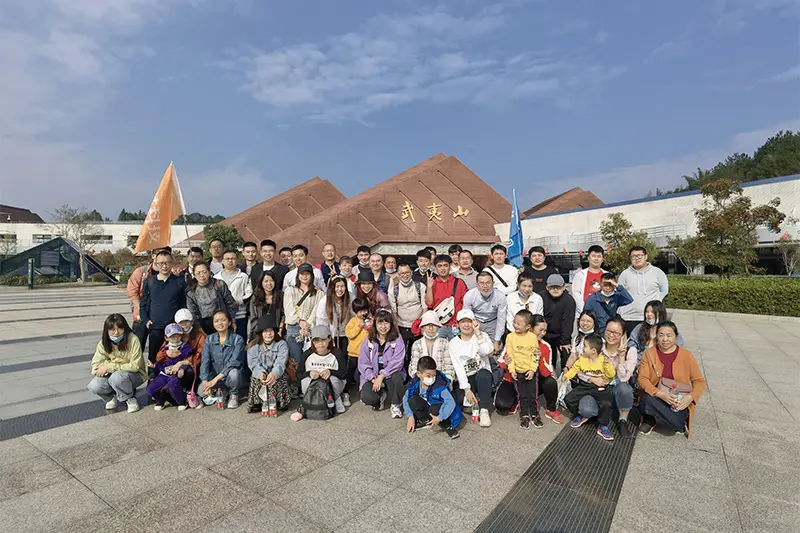
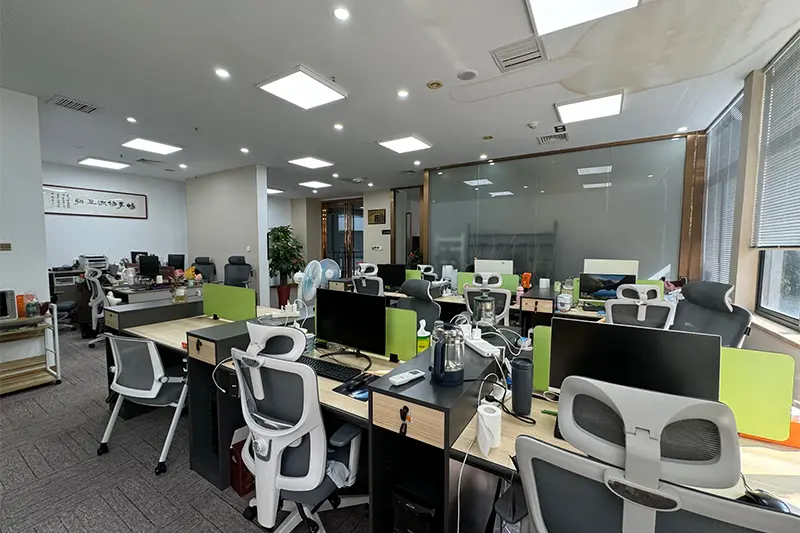
Founded in 2015, our founding team possesses more than a decade of logistics expertise, allowing us to build solutions tailored to industry pain points. We specialize in global end-to-end cargo tracking by sea and air, serving thousands of import and export enterprises worldwide. Our services include customizable tracking solutions and open API data interfaces designed to enhance supply chain visibility and improve operational efficiency.
The Trackingeyes platform collects and aggregates data from multiple sources—including stations, terminals, customs, shipping lines, and airlines. This ensures complete data coverage from origin to destination port. Through our platform, customers can quickly connect with hundreds of global data sources, helping logistics and supply chain managers improve overall tracking efficiency.
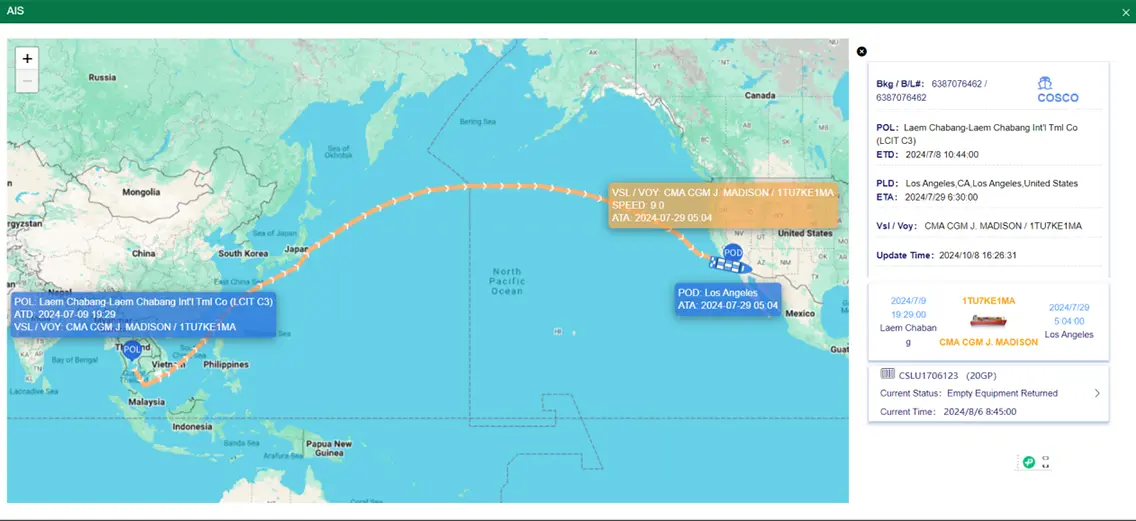
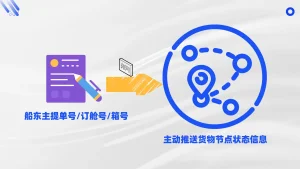
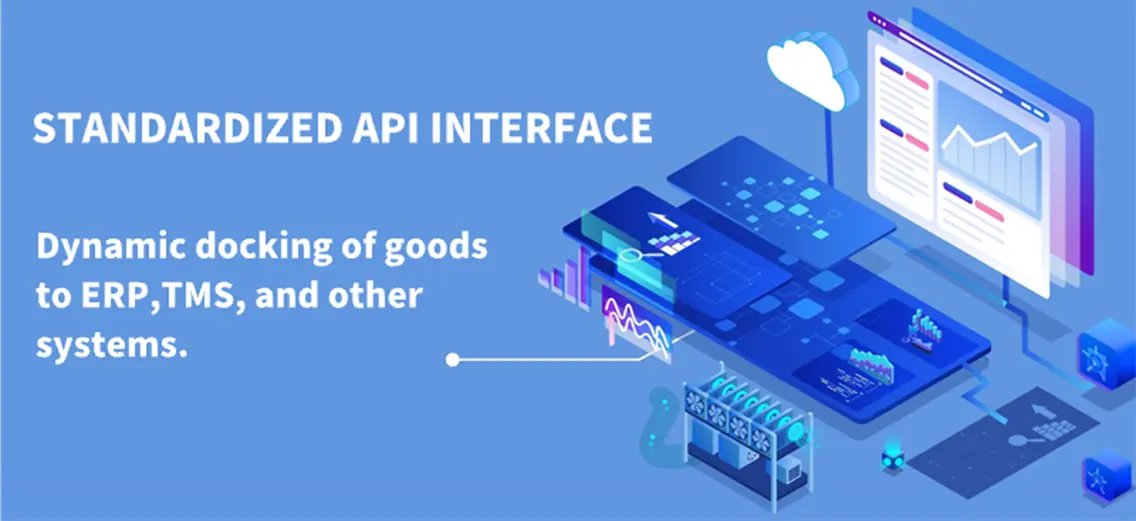
"Through API interface integration, the dynamics of goods can be automatically written back to internal systems and customer service systems of the enterprise, assisting global logistics enterprises, supply chain enterprises, cross-border e-commerce enterprises, software platforms and other enterprises to achieve more efficient and refined goods tracking management, and to do risk control and prediction in advance."
For Seattle-based importers, regional distributors, and manufacturing operations, the maritime link to China's industrial hubs is a critical element of their business model.
China's Factory 4.0 integration combines advanced automated manufacturing plants with intelligent logistics nodes. However, even the most efficient factory-side processes can be impacted by delays during ocean transit or at port gateways. The primary trans-Pacific lanes from major Chinese shipping gateways like Shanghai, Ningbo, and Shenzhen to the Port of Seattle are susceptible to seasonal weather delays, terminal backlogs, and customs clearance holdups.
To maintain efficiency, modern importers rely on continuous tracking pipelines. Real-time tracking keeps Seattle organizations informed at every stage of transit—from the initial booking in Ningbo or Qingdao to container discharge at Terminal 18. By implementing predictive tracking systems, companies can anticipate potential disruptions, coordinate container pickup schedules, and keep their manufacturing lines running smoothly.
Direct tracking integration with Chinese manufacturing ERPs, providing container dispatch visibility before the cargo reaches the port.
High-frequency satellite tracking and land-based receivers monitor cargo vessels transiting the North Pacific.
Instant notifications are sent upon terminal gate-out or delivery to transshipment facilities across Puget Sound.
Importers routing cargo through the Pacific Northwest must coordinate with several regulatory entities. The Port of Seattle operates under US Customs and Border Protection (CBP) directives, including the Automated Commercial Environment (ACE) and ISF (Importer Security Filing) systems.
Ensuring timely compliance with these frameworks helps prevent shipments from being put on hold at the terminal. Trackingeyes provides direct visual monitoring of container status, helping companies verify that customs releases and ocean carrier releases are processed before the vessel arrives.
Our local Seattle support team coordinates with area freight forwarders, terminal operators, and local logistics networks to keep operations moving efficiently. This localized expertise helps companies manage their supply chain processes and reduce the risk of unexpected operational delays.
Transparent, scalable subscription models and API access tiers designed for Pacific Northwest manufacturers, third-party logistics providers (3PLs), and enterprise importers.
| Service Tier | Optimal Use Case | Monthly API Quota | Core Features Included | Price Bracket (Est) |
|---|---|---|---|---|
| Starter Visual Edition | Small-scale local Seattle importers (1-50 containers per month) | Up to 1,000 requests | Web Console Access, Manual AIS Tracking, Standard Alerts | $149 - $299 / Mo |
| Professional API Tier | Mid-sized freight forwarders & regional warehouse groups | Up to 50,000 requests | RESTful API access, Automated ETA updates, Ocean carrier coverage | $599 - $899 / Mo |
| Enterprise Intermodal | Multi-national manufacturers with complex trans-Pacific supply chains | Unlimited (SLA Guaranteed) | Custom ERP Integration, Predictive Port Congestion Modeling, dedicated support | Custom Quote |
*All pricing is subject to custom volume discounts based on annual shipping capacity. Contact us for a tailored proposal.
Explore our complete technical catalog, providing integrations from maritime AIS tracking to automated terminal alerts.
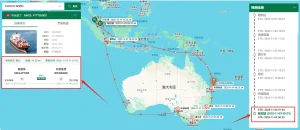
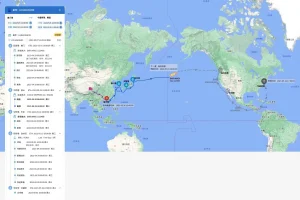
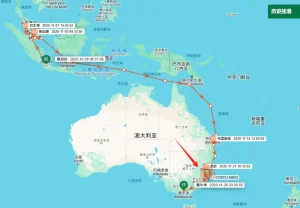
Answers to common questions regarding trans-Pacific data tracking, API setups, and regional harbor logistics.
Our platform provides real-time alerts when containers are discharged from the vessel and placed in stacks at terminals like Terminal 18. This visibility allows dispatchers to coordinate with local drayage companies, helping them schedule pickups within the standard free time window and reduce demurrage charges.
We combine terrestrial AIS signals with satellite telemetry networks. If a vessel transits the Pacific beyond the range of land-based antennas, our system uses satellite tracking to ensure continuously updated ETAs.
Yes. Trackingeyes offers RESTful JSON APIs that integrate with major enterprise resource planning systems (including SAP, Oracle, and Microsoft Dynamics) as well as custom Transport Management Systems (TMS).
Most ocean tracking checkpoints are updated daily. For high-priority vessel tracking, updates are provided every few hours, and real-time alerts are sent when a container passes through key terminal gating points.
Get in touch with our team for detailed pricelists, custom API integration options, or to arrange a pilot test for your Seattle-inbound ocean freight.
Send Inquiry Now Trackingeyes