Immediate visibility tools optimized for Melbourne manufacturing, processing hubs, and export terminals.
Understanding localized challenges at the Port of Melbourne and Victorian transport hubs to unlock seamless transit planning.
The Port of Melbourne stands as Australia’s largest container and general cargo port, serving as the commercial gateway for over 3 million TEU annually. For local manufacturers, industrial operators, and logistics service providers, the ability to coordinate container movement through terminals such as Swanson Dock and Webb Dock is critical to profitability. Victorian supply chains frequently suffer from local bottlenecks along the M1 West Gate Freeway, the Western Ring Road, and delays inside the Dynon rail terminal complexes. Unpredictable vessel arrivals and landside congestion compound these issues, driving up costly demurrage charges and vehicle booking system (VBS) penalty fees.
Implementing high-precision shipment tracking services is no longer a luxury but an operational imperative for Melbourne's industrial corridors, spanning Altona, Derrimut, Laverton, and Dandenong. High-quality data tracking bridges the information gap between maritime container ships arriving via Port Phillip Bay and landside freight operators. With accurate prediction models, industrial plants can schedule shift labor, coordinate just-in-time raw material deliveries, and minimize storage costs at container freight stations.
By securing real-time updates on container status and vessel port schedules, Melbourne importers can align landside haulage precisely, eliminating wasted truck runs and avoiding steep container holding charges.
Synchronize ocean arrival times with rail links to regional hubs such as Ballarat, Bendigo, or the Hume highway trucking corridor, establishing seamless multimodal transport schedules.
Whether importing raw chemicals, heavy agricultural machinery, or precision electronics, receive customizable alert structures tailored to support Victoria’s growing manufacturing sector.
The shift from reactive tracking to carrier-independent predictive logistics intelligence.
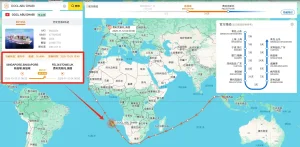
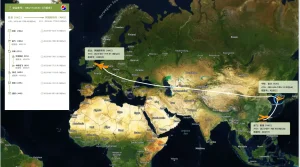
Across the globe, maritime freight logistics are evolving rapidly. Traditional tracking solutions that relied heavily on ocean carriers' manual portal entries are being phased out in favor of independent multi-source data aggregation. The integration of AIS (Automatic Identification System) terrestrial and satellite transponders, customs clearing system notifications, and terminal port operating systems has created a new standard for supply chain visibility.
In addition, global supply chains are navigating intense geo-political changes, maritime canal restrictions, and extreme weather events. These incidents lead to unpredictable blank sailings, vessel diversions, and extensive delays at port-of-refuge docks. Without live, automated tracking feeds, logistics managers remain unaware of delays until a container fails to arrive at the distribution center. Continuous data processing enables forwarders and cargo owners to proactively reroute stock, adjust manufacturing schedules, and manage customer expectations.
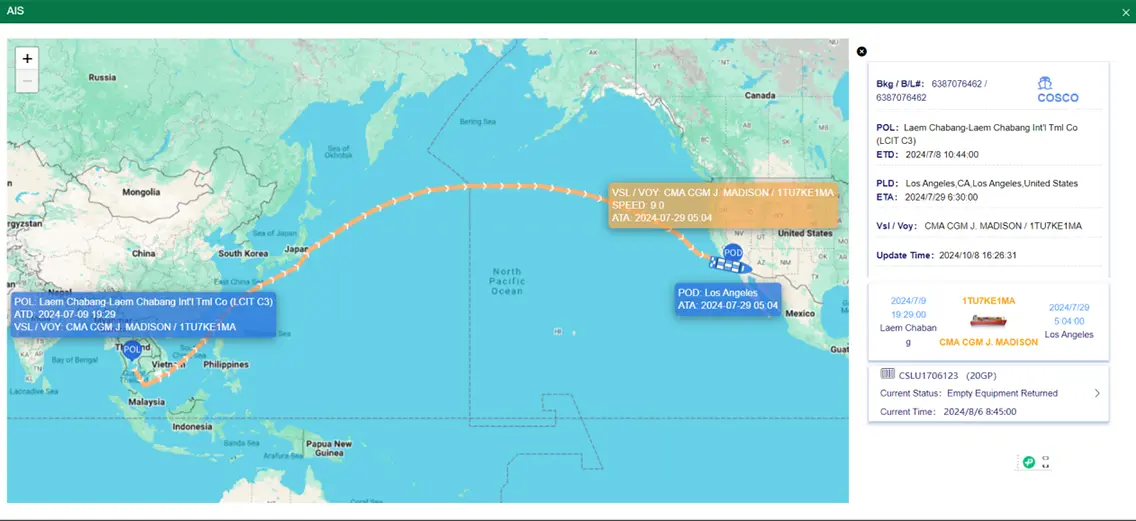
By extracting raw AIS tracking data direct from the ocean vessel rather than relying on shipping lines' self-reported statuses, businesses gain objective truth regarding location and performance.
Leveraging machine learning algorithms that parse historical transit data, maritime weather, and current congestion patterns to calculate highly reliable estimated times of arrival (ETA).
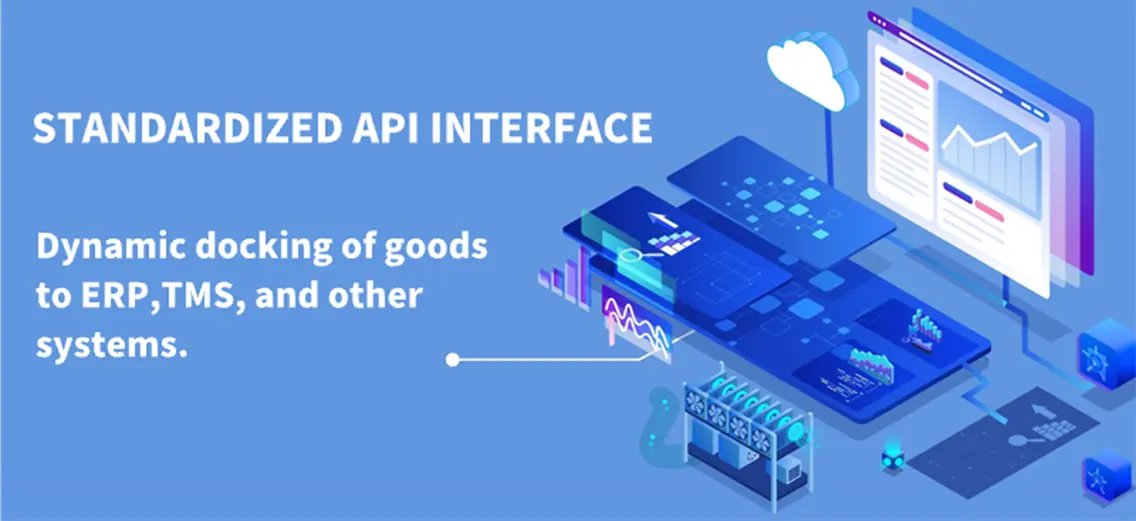
Consolidate diverse formats (ocean carrier messages, airline data, rail notifications, port terminal reports) into a single, clean API structure for instant consumption by ERP frameworks.
Exploring the underlying engineering mechanics of modern supply chain visualization platforms.
A sophisticated tracking service platform depends on a structured technical architecture. Below is the framework of how data transforms from raw signals into actionable supply chain insights:
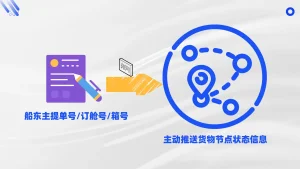
Multi-channel API connectors pull raw telemetry records from vessel transponders (terrestrial & satellite AIS), flight controllers (ADS-B), terminal operating databases, customs entry gateways, and EDI transmissions direct from container ocean carriers.
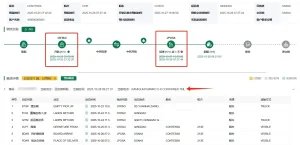
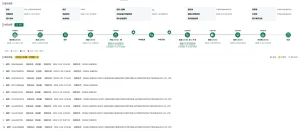
Standardizes disparate timezone formats, removes signal anomalies, translates varied carrier status codes (e.g., gate-in, vessel departure, transshipment reload) into uniform events, and calculates the variance between scheduled ETAs and actual real-time positions.
Pushes real-time alerts when containers deviate from standard paths, experience delays at transfer hubs, or fail to get picked up at destination docks. Automatically initiates API updates back to client ERP systems to coordinate operations.
Looking to the future, the integration of cellular IoT tracking devices directly on shipping containers will provide even deeper visualization. These battery-powered sensors transmit internal container conditions (such as temperature, humidity, shock, and lock security) alongside satellite location updates. For high-value goods passing through Melbourne ports, this technology guarantees quality assurance and robust security from end to end.
Global End-to-End Logistics Tracking & Supply Chain Visualization
Founded in 2015, Trackingeyes is a leading provider of global end-to-end logistics tracking and supply chain visualization solutions. With a founding team boasting over ten years of logistics expertise, we deeply understand industry pain points. We specialize in global end-to-end cargo tracking by sea and air, serving thousands of import and export enterprises worldwide. Our services include customizable tracking solutions and open API data interfaces to enhance supply chain visibility and operational efficiency.
The platform achieves full chain data coverage from the source to the terminal through the collection and aggregation of data sources, including logistics information from various data sources such as stations, terminal, customs, shipping companies, and airlines. Through the Trackingeyes’ Platform, customers can quickly connect with hundreds of global data sources, greatly improving the efficiency and intelligence of logistics tracking.
Select from our specialized tools and APIs to enhance your operational transparency and shipping precision.
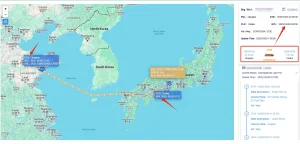
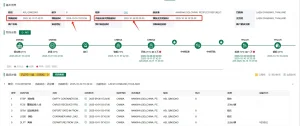
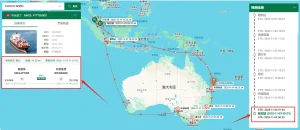
How distinct industry sectors in Melbourne deploy automated tracking to reduce logistics overheads.
For industrial manufacturers operating in Campbellfield or Dandenong, delays in raw component imports can halt assembly lines. Trackingeyes delivers live alerts on critical events (e.g., customs clearance delays or missed ocean connections), enabling procurement managers to source local backup materials before inventory runs out.
Melbourne-based distributors managing fresh food and seasonal goods use our automated system to coordinate cold-storage haulers. Real-time updates help warehouse operators adjust shifts to match incoming containers, reducing warehouse gate delays and product spoilage.
Importing massive industrial equipment requires specialized transport permits and mobile crane bookings. Our system monitors oversize shipments, sending alerts if a vessel alters its route or meets weather delays, saving thousands in rescheduled crane hire fees.
Answers to critical questions regarding shipment tracking services, platform integrations, and local Melbourne freight coordination.
Demurrage charges accrue when containers sit at the port beyond their allotted free days. The Port of Melbourne terminals (such as DP World, Patrick, and Victoria International Container Terminal) maintain strict pickup windows. Our real-time AIS tracking monitors the container ship’s actual position, weather delays, and berth queues, providing an independent Estimated Time of Arrival (ETA). Importers can use this data to arrange transport carriers precisely as the container is discharged, eliminating late pickup penalties.
Container pickup failures usually happen due to communication delays between shippers, ocean carriers, and customs brokers. Common causes include unconfirmed custom holds, late bill of lading transfers, and unexpected changes to port discharge times. Trackingeyes helps prevent these issues by consolidating customs statuses, delivery orders, and vessel discharge details into one dashboard, sending alerts the moment a container is cleared and ready for transport.
An integrated Sailing Schedule API connects vessel schedules directly to your ERP (such as SAP, Oracle, or local cargo systems). This removes the need for manual tracking, updating transit timelines automatically. Warehouse teams receive up-to-date arrival details, customer support can share precise delivery updates, and accounting can forecast payment cycles based on actual container delivery milestones.
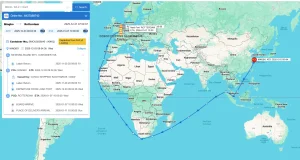
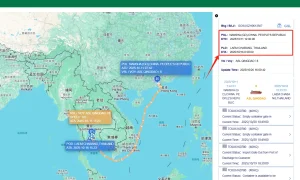
Milestone-based tracking updates when specific actions occur (e.g., container loaded, container discharged). Continuous tracking uses satellite AIS and flight updates to provide the container's physical location at any point in transit. This allows companies to map deviations, predict delays in open waters, and calculate realistic ETAs before the vessel reaches port.
Yes, our RESTful APIs are designed to integrate easily with major global and local logistics platforms, including CargoWise One, SAP Transportation Management, and custom-built local applications. This ensures clean, structured shipment data flows directly into your daily operations workflow.
 Trackingeyes