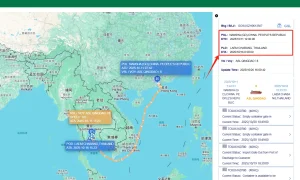
Real-time data feeds, automated schedule optimizations, and instant port updates for seamless regional distribution.
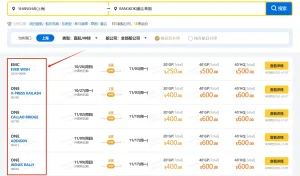
Australia occupies a unique geostrategic position. Geographically distant from core North American and European manufacturing centers, the nation relies heavily on long-haul maritime routes and high-speed transshipment networks. According to recent maritime shipping statistics, over 98% of Australia's import and export trade by volume moves via oceanic shipping corridors. Key trade gates such as the Port of Melbourne, Port of Sydney (Port Botany), Port of Brisbane, and the western gateway of Fremantle handle millions of TEUs annually.
Operating in this environment comes with local complexities. Importers routinely face rigorous biosecurity regulations enforced by the Department of Agriculture, Fisheries and Forestry (DAFF). Demurrage and detention fees accrue at rates that rank among the steepest globally. In addition, volatile weather patterns in the Great Australian Bight and the tropical cyclone seasons of Northern Australia pose challenges. To maintain supply chain resilience, Australian logistics and procurement managers need highly accurate tracking data.
"Real-time ocean tracking is no longer just about tracking containers on a map. For Australian operators, it serves as a business-critical dashboard to predict DAFF holds, dynamic customs timelines, and prepare landside transport networks to avoid costly port storage fees."
By integrating AIS vessel tracking directly with domestic Australian ERP systems, manufacturers can automate alerts, schedule on-time port pickups, and manage terminal delays.
Australian ports operate on strict timelines. Ocean terminals allow minimal free storage windows, sometimes as brief as 48 to 72 hours. Once this window closes, demurrage costs escalate rapidly, affecting bottom-line profitability for manufacturers and distributors.
Our specialized tracking API directly targets this vulnerability. By calculating automated, predictive ETAs, the system alerts Australian operators before vessels berth. This permits freight forwarders to pre-arrange customs clearances and line up trucks.
Additionally, integration with landside logistics platforms allows for smoother transitions from sea to rail and road networks. This coordination is essential for long-haul routes connecting Brisbane to Adelaide or Perth.
Founded in 2015, Trackingeyes is a leading global provider of end-to-end logistics tracking and supply chain visualization solutions. With a founding team boasting over ten years of logistics expertise, we deeply understand industry pain points. We specialize in global end-to-end cargo tracking by sea and air, serving thousands of import and export enterprises worldwide. Our services include customizable tracking solutions and open API data interfaces to enhance supply chain visibility and operational efficiency.
Our platform achieves full-chain data coverage from source to terminal by collecting and aggregating logistics information from various data sources, including stations, terminals, customs, shipping lines, and airlines. Through the Trackingeyes Platform, customers quickly connect with hundreds of global data sources, improving the efficiency and intelligence of their logistics tracking.

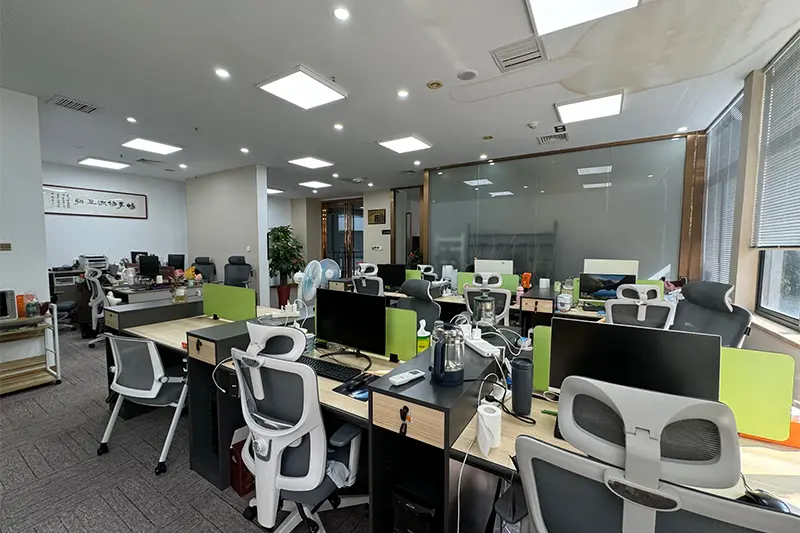
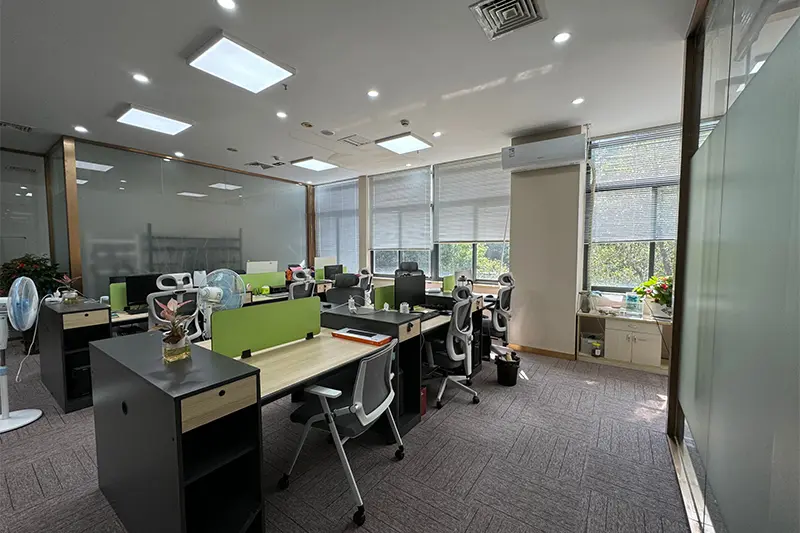
Trackingeyes: Reliable Ocean & Air Cargo Tracking for a Smoother Supply Chain
Unlock end-to-end visibility with our trusted tracking platform. We bring proven reliability to both ocean and air cargo tracking, giving you the accurate data and control needed to streamline operations from port to runway.
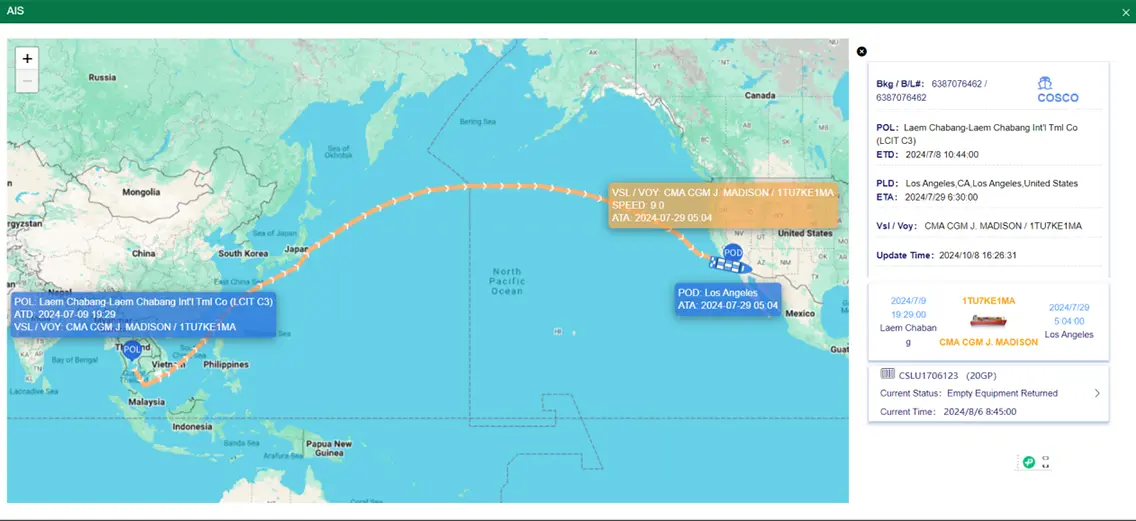
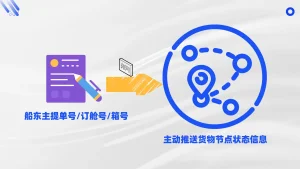
Through API interface integration, cargo updates automatically write back to internal ERP systems, assisting global logistics and supply chain enterprises.
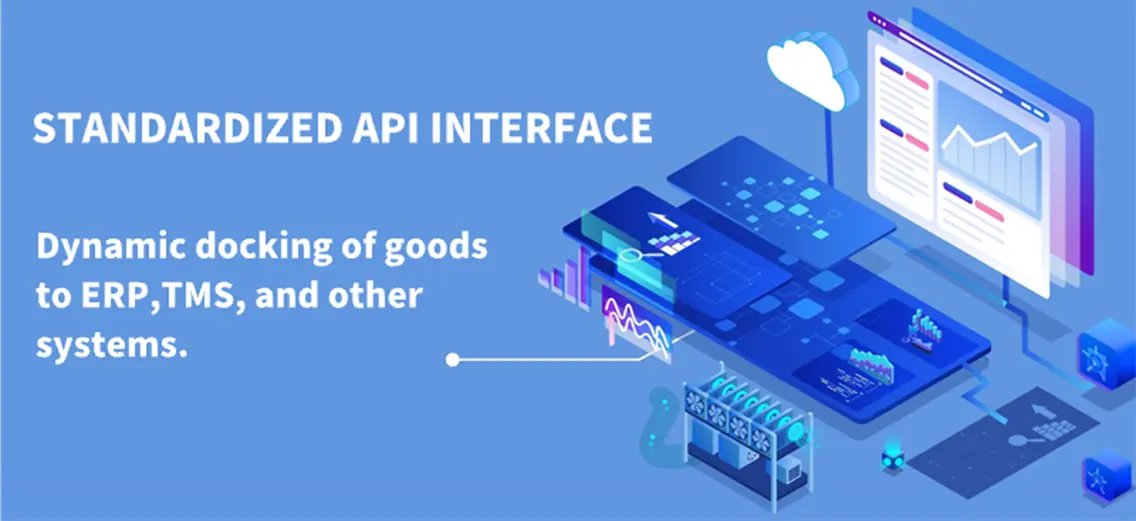
Customized systems allow predicting port delay windows and managing delivery routes proactively.
Providing the analytical intelligence that logistics professionals require for cross-border operations.
Using historical voyage logs and real-time port congestion indexes, our systems generate highly precise ETAs. We help you stay ahead of delays caused by weather, route deviations, or terminal congestion.
Receive notifications the moment a vessel enters key zones. Monitor when terminal gates open, container ground slots release, and cut-off windows shift, ensuring efficient planning.
Integrate data fields into your existing ERP, WMS, or logistics portal. Reduce manual data entry and keep operations teams aligned with a single, reliable source of truth.
Explore our comprehensive lineup of data-driven tracking tools, APIs, and vessel status monitors designed for high-volume supply chains.
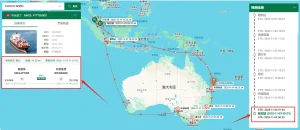
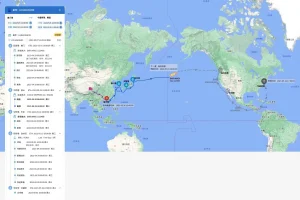
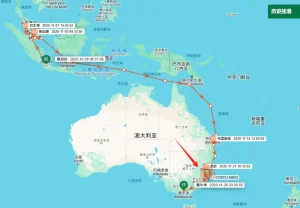
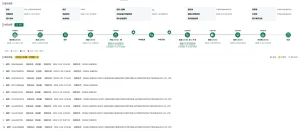
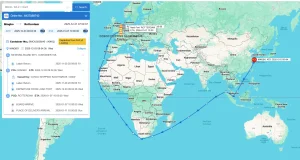
Modern oceanic visibility relies on combining disparate data types. Traditional satellite-based Automatic Identification Systems (S-AIS) trace ships across blue waters, but gaps often occur during bad weather or high-frequency traffic zones.
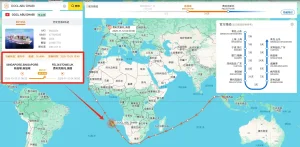
To address this, our platform fuses S-AIS with terrestrial marine traffic receivers, port authorities' terminal operating databases (TOS), and customs clearance updates. For Australian importers, this provides clear visibility across long-haul trade routes like Shanghai-to-Sydney or Singapore-to-Fremantle.
When a container ship approaches Australian territorial waters, the system dynamically updates your arrival logs. This helps manage transit stages, such as pilotage, harbor tug connections, and terminal berthing, ensuring your team has accurate timelines.
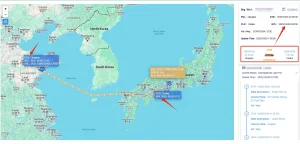
Predictive Port Geofencing: Our system builds polygon coordinates around major terminals globally and within Australia. As a vessel crosses these boundaries, API triggers update internal dispatch systems, reducing landside coordination delays.
Australia's biosecurity laws are strict to protect local ecosystems. Importers must coordinate with the Department of Agriculture, Fisheries and Forestry (DAFF) to verify that cargo is free from pests and contaminants.
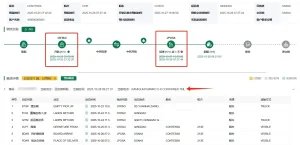
When cargo is flagged for inspection, containers can sit in terminal yards for days. Our tracking system provides detailed milestones, alerting teams the moment a container status updates to "Under Inspection" or "Cleared."
This visibility helps warehouse managers schedule fumigation or transport only when containers are fully released, avoiding costly driver waiting times and terminal penalties.
Adapting tracking capabilities to meet the requirements of modern supply chains.
Integrating historical shipping routes, weather patterns, and port performance data to refine ETA predictions. This reduces average schedule variance to under 4 hours on major shipping lanes.
Adding environmental monitoring—such as temperature, humidity, and shock detection—directly to active container tracking profiles. This is particularly useful for delicate pharmaceutical and food cargo.
Introducing carbon footprint estimation features that calculate greenhouse gas emissions based on actual vessel routing. This helps organizations meet ESG reporting targets.
Get answers to common questions about tracking systems, API integrations, and importing to Australia.
Our platform evaluates real-time AIS vessel telemetry against historical voyages, weather conditions along the route, and terminal wait times at major Australian gateways like Melbourne and Sydney. This multi-layered analysis provides more reliable estimates than standard shipping line notifications.
Yes. Our API is designed to work with common systems like TechnologyOne, MYOB Advanced, SAP, Oracle, and Microsoft Dynamics 365. Integration is straightforward via RESTful API calls, and we provide comprehensive SDK libraries.
We track status changes directly from terminal operating databases. By alerting you when a container is flagged for quarantine, inspection, or fumigation, you can reschedule transport teams and avoid dry-run fees.
Yes, our tracking covers both modes of transport. You can track oceanic containers via shipping lines and air freight via airline airway bills (AWB) in one unified portal.
We use industry-standard encryption protocols (HTTPS/TLS) for data transfer. Additionally, access to tracking information is protected by secure API tokens, and user permissions can be configured to align with your organization's security policies.
Get in touch with our tech engineers to request a live demo, receive custom quotes, or explore our API documentation.
Send Inquiry Now Trackingeyes