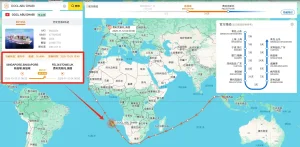
Thailand has evolved into one of the most prominent manufacturing hubs in Southeast Asia, with key sectors such as automotive, electronics, petrochemicals, and food processing driving its economy. Under the framework of the Eastern Economic Corridor (EEC) and the Thailand 4.0 initiative, the country is rapidly upgrading its logistics infrastructure. Ports like Laem Chabang and Bangkok Port are major gateways connecting Thailand to regional and global supply chains.
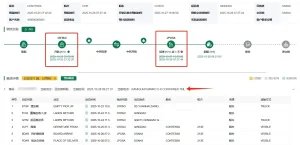
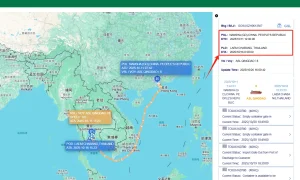
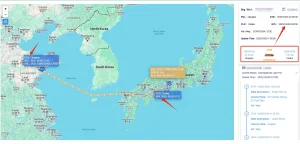
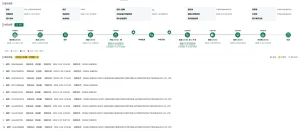
However, modern industrial logistics demands go far beyond physical port capacity. As global businesses source parts and finished products from Thailand, the need for end-to-end, multi-modal shipment tracking has reached an all-time high. Real-time tracking services mitigate key pain points, such as destination port delays, customs bottlenecks, and warehouse congestion. Utilizing API-driven cargo monitoring enables manufacturers to achieve total transparency over their transit assets.
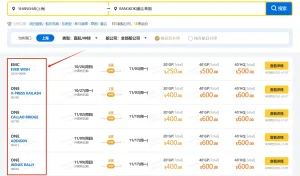
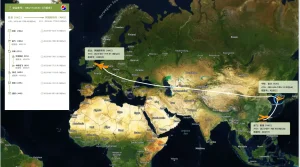
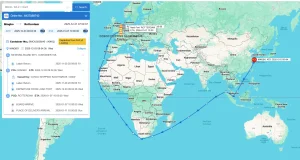
As bilateral trade between China and Thailand surges, Chinese manufacturing complexes are deploying Industry 4.0 technologies to secure supply chain resilience. Real-time ocean logistics tracking forms the digital backbone of this trade corridor. From high-tech electronics components produced in Shenzhen to heavy industrial machinery exported from Shanghai, tracking platforms provide a unified visual engine to handle complex multi-modal transit networks.
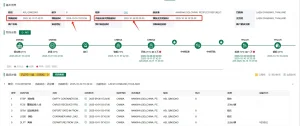
Advanced tracking services enable a "just-in-time" manufacturing model. Instead of relying on manual tracking updates via emails or static freight forwarder reports, companies integrate direct API feeds into their enterprise resource planning (ERP) platforms. This lets factory dispatch systems coordinate dynamically with real-time ship arrivals in Bangkok or Laem Chabang, preventing both materials shortages and high warehousing costs.
| Tracking Dimension | Legacy Logistical Tracking | Next-Gen Trackingeyes API Platform |
|---|---|---|
| Data Refreshes | 12 - 24 Hours (Manual EDI Updates) | Real-Time (AIS Vessel & Terminal API Feeds) |
| ETA Precision | Static estimates prone to massive errors | Dynamic ETA using machine learning predictive models |
| Risk Control | Reactive (Alerts sent after delay occurs) | Proactive (Early alerts on port congestion & missed cut-offs) |
| System Integration | Isolated portals, manual spreadsheets | RESTful API integration directly to SAP/Oracle ERPs |
Founded in 2015, Trackingeyes is a leading provider of global end-to-end logistics tracking and supply chain visualization solutions. With a founding team boasting over ten years of logistics expertise, we deeply understand industry pain points. We specialize in global end-to-end cargo tracking by sea and air, serving thousands of import and export enterprises worldwide. Our services include customizable tracking solutions and open API data interfaces to enhance supply chain visibility and operational efficiency.
The platform achieves full chain data coverage from the source to the terminal through the collection and aggregation of data sources, including logistics information from various data sources such as stations, terminal, customs, shipping companies, and airlines. Through the Trackingeyes’ Platform, customers can quickly connect with hundreds of global data sources, greatly improving the efficiency and intelligence of logistics tracking.
"Through API interface integration, the dynamics of goods can be automatically written back to internal systems and customer service systems of the enterprise, assisting global logistics enterprises, supply chain enterprises, cross-border e-commerce enterprises, software platforms and other enterprises to achieve more efficient and refined goods tracking management, and to do risk control and prediction in advance."
Deploying intelligent tracking infrastructure ensures global organizations avoid cargo disruption, optimize container turnover, and gain clear structural insights.
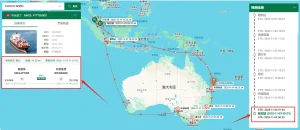
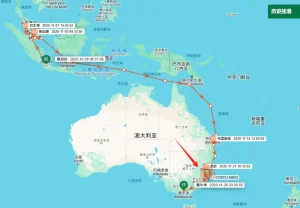
Optimize routing, reduce port dwell times, and protect margins with our industrial-grade shipment tracking technologies customized for Thailand and global corridors.
 Trackingeyes