 Trackingeyes

1. Sri Lanka Logistics Landscape: The Indian Ocean Transshipment Hub
Sri Lanka sits in a highly strategic geographic position along the primary East-West shipping route. The Port of Colombo operates as the key maritime gateway for South Asia, handling over 7 million TEUs annually, a significant percentage of which constitutes transshipment cargo bound for India, Bangladesh, and the broader Indian Ocean Rim. The Hambantota International Port (HIPG) further strengthens this corridor, providing specialized bulk, Ro-Ro, and bunkering capabilities.
However, managing complex logistics networks across these hubs demands a high degree of transparency. The modern apparel industry, tea export houses, and emerging manufacturing clusters in Sri Lanka require granular, millisecond-accurate shipment data. For supply chain officers, manual milestone updates from carriers are no longer sufficient. Under current market conditions, unexpected delays at major South Asian transshipment hubs can lead to factory stoppages or heavy penalties from Western retail buyers.
2. The Shipment Tracking Services Technological Roadmap
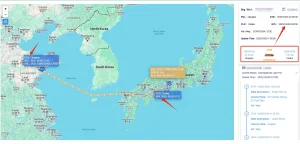
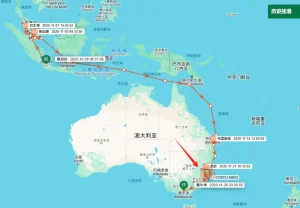
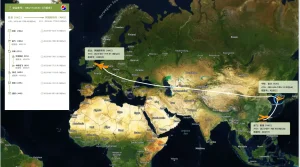
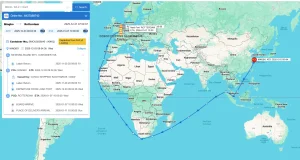
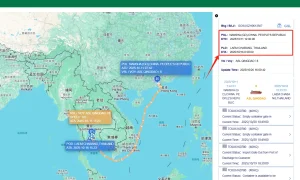
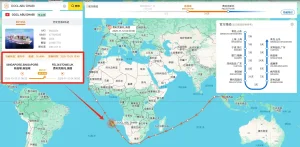
The digitization of global logistics is built on multi-layered data integration. Standard vessel tracking platforms previously relied solely on basic terrestrial AIS signals, leading to blind spots when ships crossed deep ocean lanes. The current standard implemented by Trackingeyes leverages a combined telemetry framework:
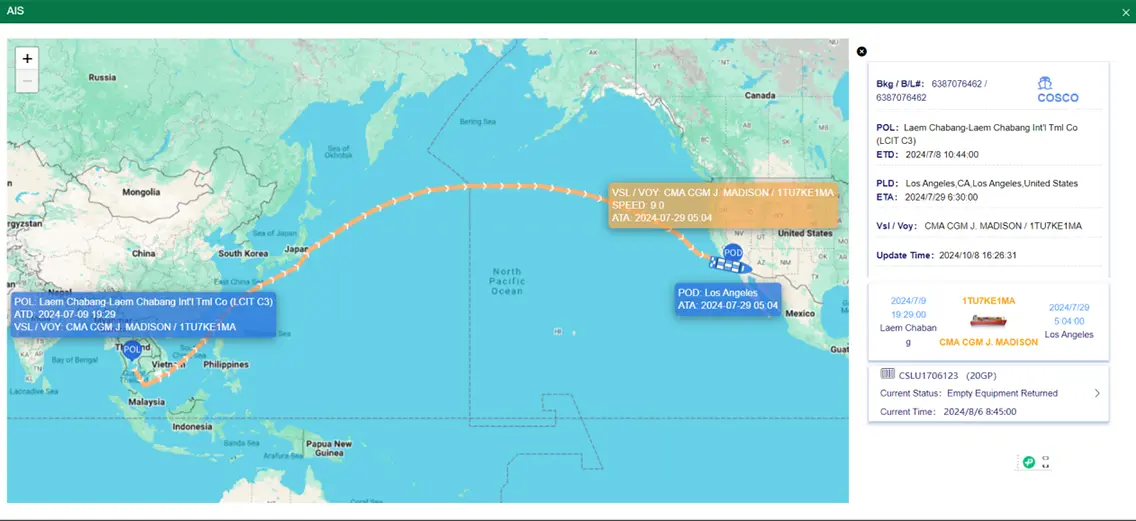
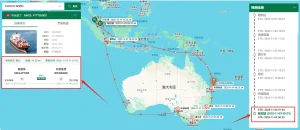
- Satellite & Terrestrial AIS Fusion: Dual-source Automatic Identification System (AIS) monitoring updates vessel latitude, longitude, heading, and speed, bypassing coastal receiver limits.
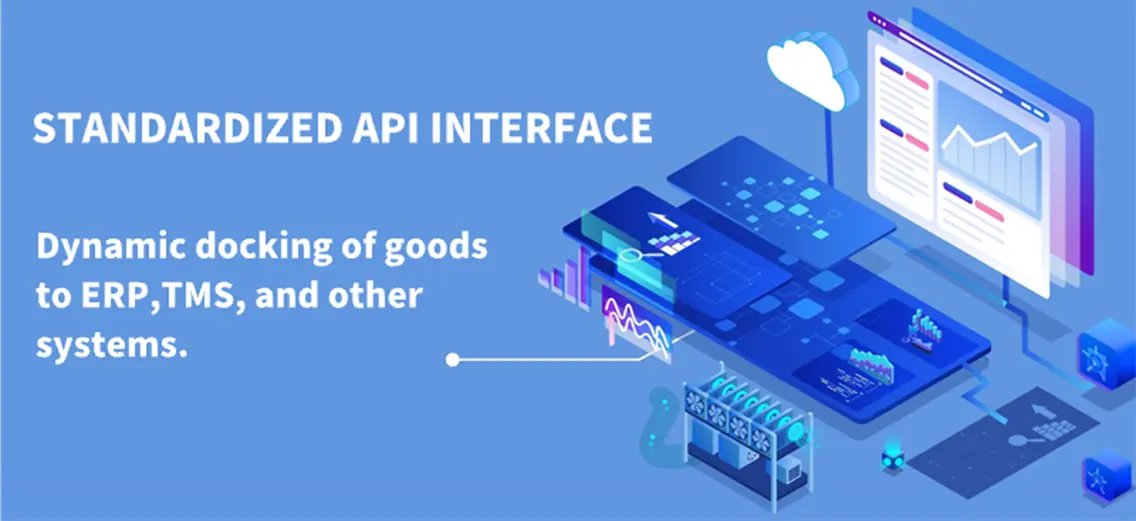
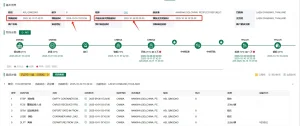
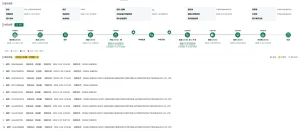
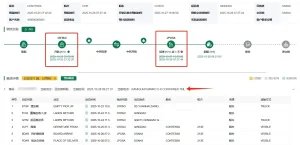
- Terminal Operating System (TOS) Integration: Standard APIs establish direct data handshakes with terminal terminals in Colombo, Chennai, Singapore, and beyond, providing instant notifications for container discharge, gate-out, and gate-in milestones.
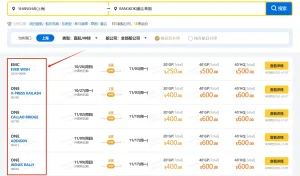
- Predictive Machine Learning ETAs: Historical route analytics, weather patterns, port queue times, and carrier performance variations are compiled by neural models to output dynamic ETA windows that consistently outperform carrier-provided timelines.
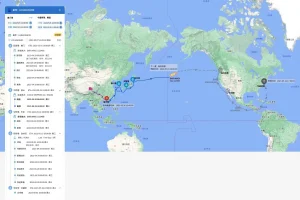
- Intermodal Telematics: Extends cargo visibility inland via rail and road sensor integration, establishing continuous, unbroken status checks from local warehouses directly to the ship's hold.