Explore our leading shipment tracking and cargo optimization services customized for Turkey's crucial Mediterranean and Eurasian transport channels.

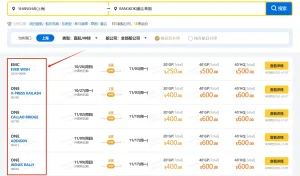
Analyzing the local market context, commercial drivers, and structural demands for shipment tracking solutions in Turkey.
Turkey occupies a unique geopolitical and economic position, serving as a physical and commercial land bridge between Europe, Asia, and the Middle East. With its vast coastline along the Black Sea, Aegean Sea, and Mediterranean Sea, coupled with its control over the critical Bosporus and Dardanelles straits, Turkey is a pivotal hub for global maritime cargo. Key ports such as Ambarli (Istanbul), Mersin, Izmir (Aliağa), and Kocaeli handle millions of TEUs annually, connecting manufacturer networks to European consumers and Asian raw material suppliers.
In recent years, the Turkey market has witnessed rapid industrial modernization. The growth of Turkish manufacturing sectors—specifically automotive parts, textiles, machinery, and consumer electronics—has intensified the demand for highly reliable, end-to-end logistics solutions. High operational costs, volatile shipping freight rates, and complex customs processes require manufacturers to adopt dynamic shipment tracking. Implementing advanced tracking platforms reduces vessel dwell time and mitigates the risk of cargo pickup failures, which is essential to maintaining lean, just-in-time manufacturing schedules.
The global shipping landscape is transitioning rapidly from traditional milestones (like port departures and arrivals) to continuous, real-time, sensor-driven data feeds. In today’s competitive landscape, relying solely on standard ocean carrier alerts is no longer sufficient. Industry leaders are focusing heavily on the following core trends:
Ensure supply chain visualization and eliminate manifest penalties using automated tracking workflows.
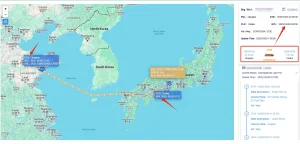
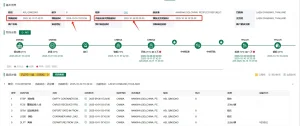
How China's technological shifts impact procurement reliability and logistics visibility for importers in Turkey.
As Turkey’s commercial partners integrate deeply with Asian supply bases, "China Factory 4.0" plays a vital role. The transition from traditional manufacturing to highly automated, smart factories relies on integrated information networks. These technologies link raw material sourcing, automated assembly lines, and global shipping platforms into a single digital flow. This transparency allows Turkish procurement offices to track orders from the factory floor directly through to the loading dock in Ningbo, Shenzhen, or Shanghai.
For Turkey, which acts as a key distribution node for the European market, establishing a resilient supply chain with Chinese manufacturing partners is essential. Factory 4.0 initiatives utilize IoT sensors, smart labeling, and API-driven tracking to ensure that delays are caught and communicated long before cargo arrives at destination ports. Rather than waiting for a container to go missing, logistics coordinators can monitor port cut-offs, vessel roll-overs, and custom releases automatically, ensuring that manufacturing centers in Istanbul, Bursa, and Kocaeli run without interruptions.
To understand the tangible benefits of tracking integrations, let's explore three critical localized scenarios in the Turkish market:
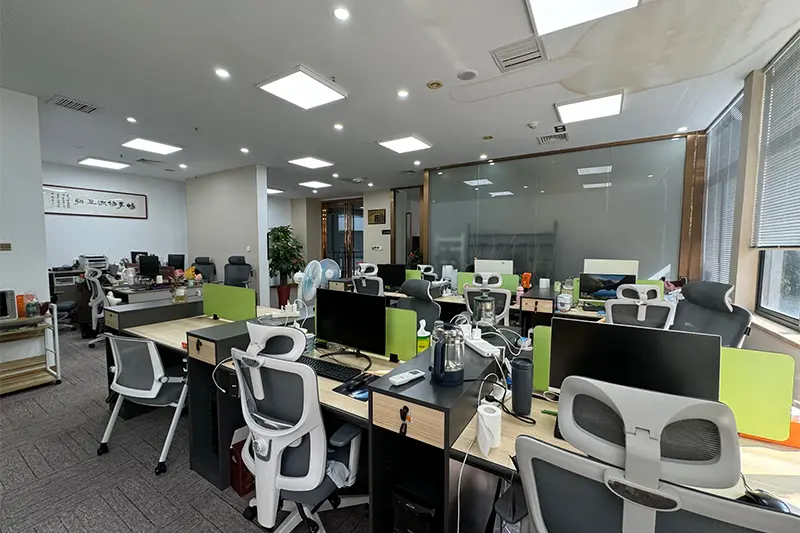
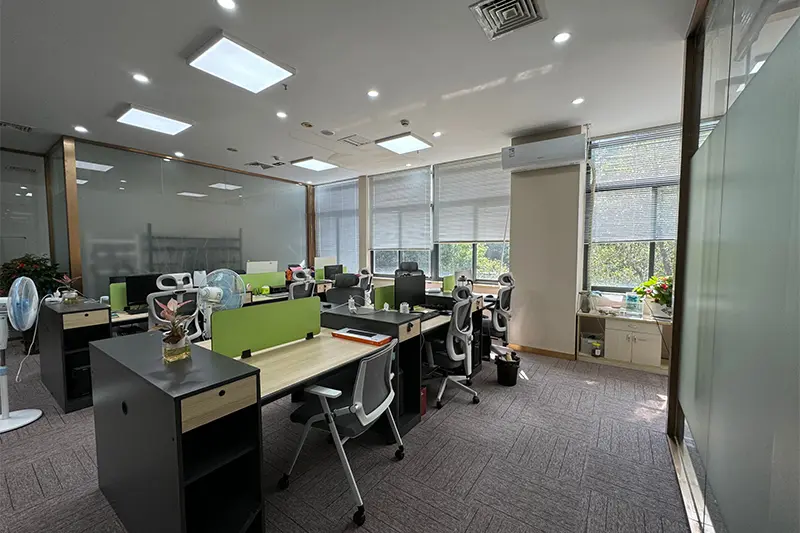
Founded in 2015, Trackingeyes is a leading provider of global end-to-end logistics tracking and supply chain visualization solutions. With a founding team boasting over ten years of logistics expertise, we deeply understand industry pain points. We specialize in global end-to-end cargo tracking by sea and air, serving thousands of import and export enterprises worldwide. Our services include customizable tracking solutions and open API data interfaces to enhance supply chain visibility and operational efficiency.
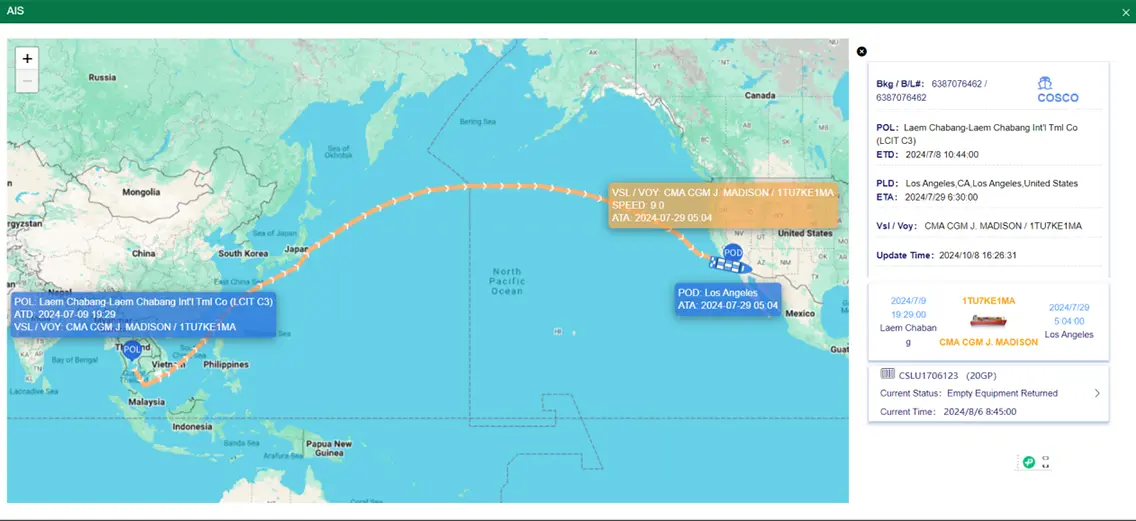
The platform achieves full chain data coverage from the source to the terminal through the collection and aggregation of data sources, including logistics information from various data sources such as stations, terminal, customs, shipping companies, and airlines. Through the Trackingeyes’ Platform, customers can quickly connect with hundreds of global data sources, greatly improving the efficiency and intelligence of logistics tracking.
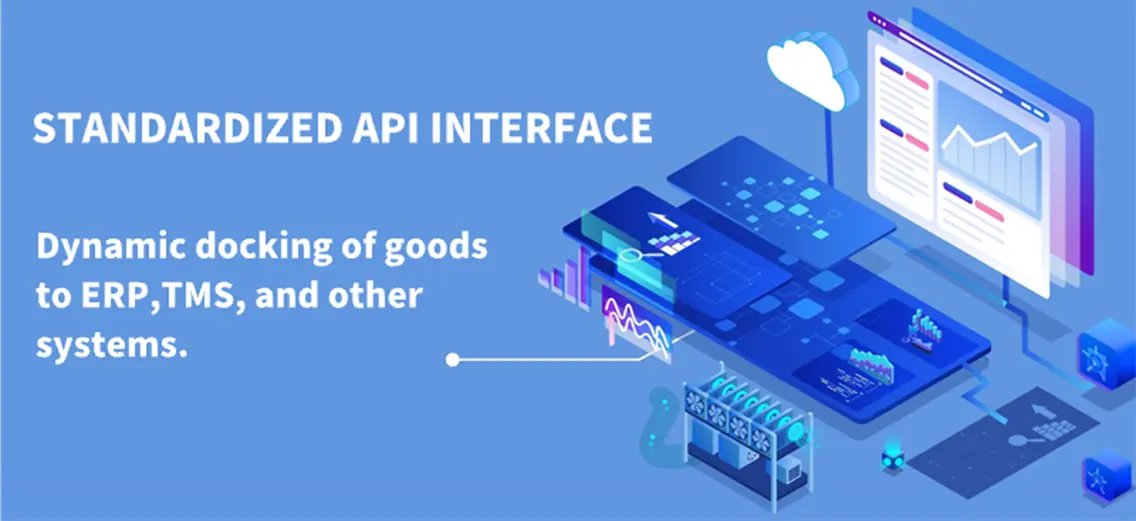
"Through API interface integration, the dynamics of goods can be automatically written back to internal systems and customer service systems of the enterprise, assisting global logistics enterprises, supply chain enterprises, cross-border e-commerce enterprises, software platforms and other enterprises to achieve more efficient and refined goods tracking management..."
Unlock end-to-end visibility with our trusted tracking platform. We bring proven reliability to both ocean and air cargo tracking, giving you the accurate data and control needed to streamline operations from port to runway.
Get professional answers from our senior supply chain engineers on navigating Mediterranean logistics complexities.
Complete your supply chain visualization stack with our specialized, high-performance monitoring applications.
 Trackingeyes