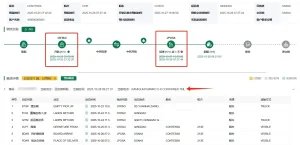
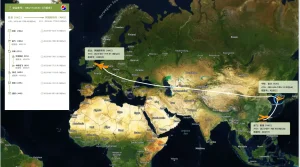
Real-time ocean, air, and port monitoring tools optimized for Canada's complex trans-pacific and trans-atlantic trade corridors.
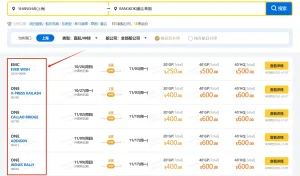
Canada is home to one of the most geographically expansive logistics networks in the world. Ranging from the Pacific gateway at the Port of Vancouver and Port of Prince Rupert, through the transcontinental rail networks of CN and CPKC, to the Atlantic portals of Montreal and Halifax, the complexity of moving cargo is immense. To succeed in this landscape, Canadian manufacturers, wholesale distributors, and retail importers require hyper-localized, highly integrated shipment tracking services.
A primary bottleneck in Canadian shipping remains the handoff between maritime ocean carriers and class-1 rail providers. Over 60% of all containerized imports entering western ports are destined for the industrial corridors of Ontario, Quebec, or transit south into the Midwestern United States. Without granular, real-time data indicating precise Container Yard (CY) status, container discharges, and customs release notifications via the Canada Border Services Agency (CBSA), supply chain orchestrators are left blind, resulting in severe demurrage fees, missed rail slots, and manufacturing downtime.
For Canadian enterprises importing raw materials or finished consumer goods, port congestion is an expensive reality. The Ports of Vancouver and Montreal have historically experienced spikes in container dwell times due to seasonal weather interruptions, railcar shortages, and labor disputes. Under standard terminal terms, importers are granted minimal free time—often only 2 to 5 days—before daily demurrage fees escalate into thousands of dollars.
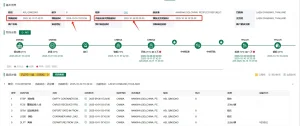
Trackingeyes solves this by providing automated cargo pick-up failure insights. By utilizing multi-source tracking telemetry (fusing ocean carrier EDI, satellite AIS, and terminal operating system APIs), our platform monitors yard status in real-time. If a container is flagged with a customs hold or failed carrier release, our system instantly triggers alerts, allowing logistics teams to reschedule drayage providers before costly penalties accumulate.
Strategic Information Gain: Legacy tracking services rely solely on ocean carrier milestone events, which are updated late or contain inaccuracies. Trackingeyes bridges this data gap by integrating direct terminal yard status APIs and independent satellite AIS pings, bypassing carrier latency by up to 24 to 48 hours.
Globally, shipping is shifting rapidly from standard track-and-trace portals toward predictive visibility engines. While global shipment tracking systems focus primarily on deep-ocean transit, Canadian operations require heavy optimization for intermodal rail transit. The vast distances between coastal gateways and interior logistics hubs like the Calgary, Winnipeg, and Toronto inland ports (e.g., CN Brampton Intermodal Terminal) make rail tracking critical.
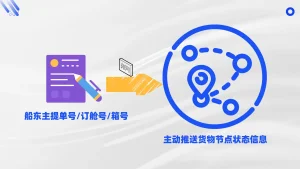
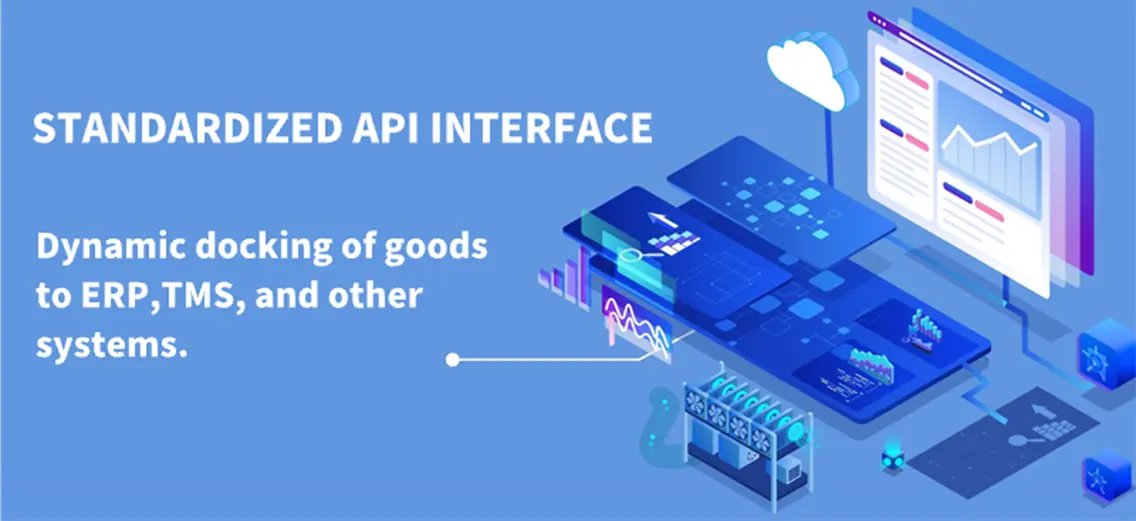
In modern ERP development, manual tracking via web portals is obsolete. Canadian enterprises are upgrading their internal software platforms (SAP, Oracle, Microsoft Dynamics) with real-time tracking APIs. Through API integration, shipment milestones, actual time of departure (ATD), actual time of arrival (ATA), and predicted ETAs are automatically written back into order-management workflows. This reduces customer support requests, improves warehouse labor scheduling, and optimizes safety stock thresholds.
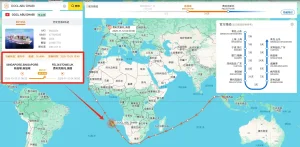
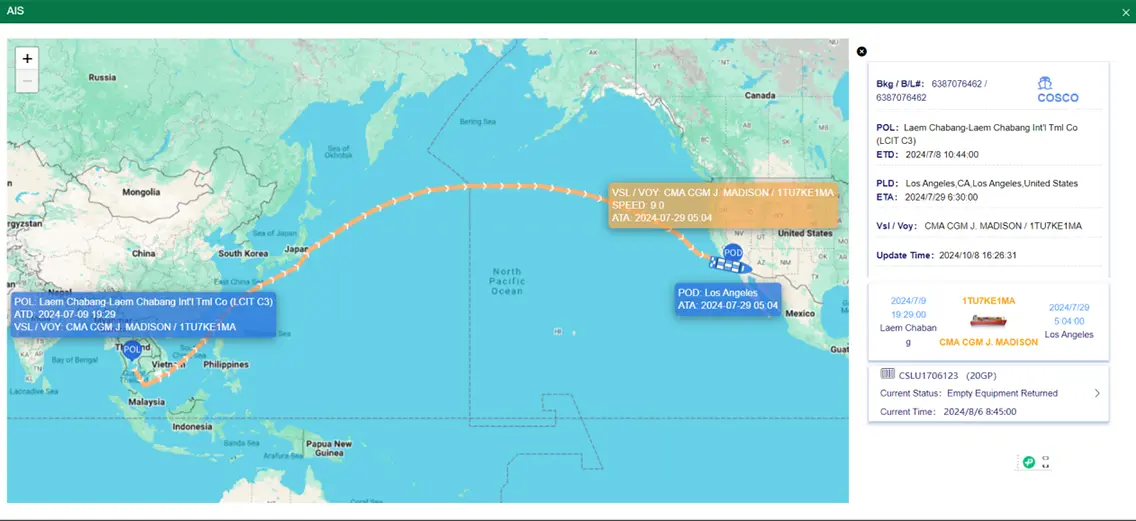
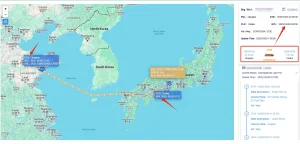
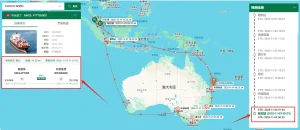
By leveraging AIS vessel data, companies can track cargo on the water with high precision, predicting arrival times independent of carrier estimates. This has proven vital for industries such as automotive components, agriculture exports, and heavy machinery manufacturing, where delay-induced halts are financially catastrophic.
A global leader in supply chain visualization and integrated maritime API infrastructure.
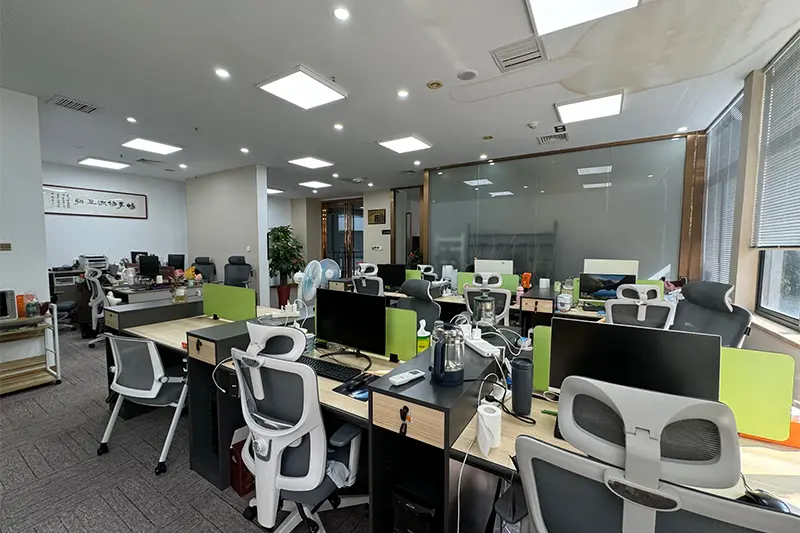
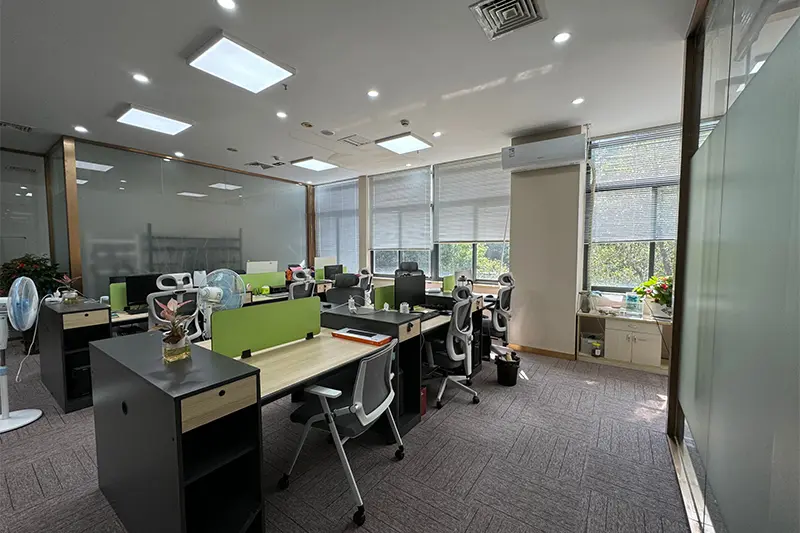
Founded in 2015, Trackingeyes is a leading provider of global end-to-end logistics tracking and supply chain visualization solutions. With a founding team boasting over ten years of logistics expertise, we deeply understand industry pain points. We specialize in global end-to-end cargo tracking by sea and air, serving thousands of import and export enterprises worldwide.
Our platform achieves full-chain data coverage from source to terminal through the aggregation of key logistics streams. We pull data from terminal operating systems, customs portals, global ocean carrier networks, and satellite AIS systems. Through our RESTful API integration, tracking updates write back directly into internal ERP and customer service platforms, driving operational refinement and predictive risk management.

Answering the most critical inquiries regarding shipment tracking services in Canada.
Comprehensive visibility tools, data APIs, and operational control mechanisms for global-to-Canada transit.
 Trackingeyes