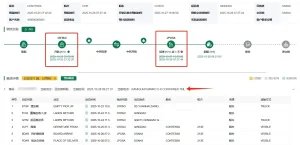
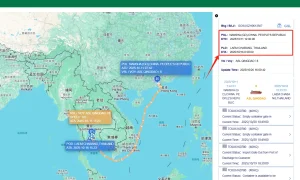
Minimize delays, eliminate detention and demurrage charges, and streamline customs clearance with our primary tracking modules.

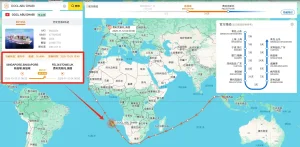
The Manila metropolitan area, acting as the primary economic engine of the Philippines, handles over 80% of the nation’s international shipping traffic. Anchored by the Manila International Container Terminal (MICT) and the Manila South Harbor, the city serves as a vital gatekeeper for Luzon's extensive manufacturing, retail, and industrial zones. However, operating within this ecosystem presents unique logistical bottlenecks that require advanced, real-time tracking systems.
Local congestion, sudden weather interruptions during typhoon seasons, complex customs inspection procedures at the Bureau of Customs (BOC), and localized truck ban regulations create volatile container dwell times. For manufacturers in Cavite, Laguna, and Clark Freeport Zone, a lack of clear maritime visibility translates directly to costly supply chain halts, assembly line shutdowns, and severe truck demurrage penalties.
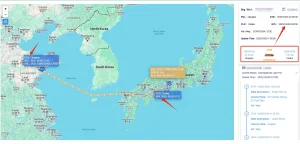
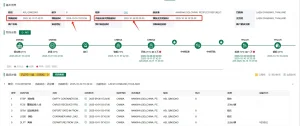
In the modern era of global logistics, businesses no longer rely on sporadic manual tracking reports from freight forwarders. The globalization of trade, coupled with macroeconomic disruptions like Suez Canal redirections, regional conflicts, and key port closures, requires a unified data standard. Modern supply chain operations rely heavily on programmatic API integrations that offer instantaneous milestones: Actual Time of Departure (ATD), Estimated Time of Arrival (ETA), and Actual Time of Arrival (ATA).
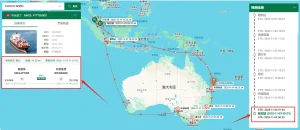
Without real-time container tracking services, multi-country supply networks operate in a blind spot. A shipment manufactured in a Chinese factory en route to the Port of Manila can experience sailing schedule changes, transshipment delays in Singapore, or custom holds without the consignee’s knowledge. Utilizing automated global vessel AIS networks eliminates this risk, feeding clean data into ERP modules and allowing supply chain managers to implement predictive logistics.
China remains the primary supplier of industrial machinery, construction materials, electronics, and e-commerce goods to the Manila market. However, the efficiency advantage of Chinese manufacturing does not stop at the factory gate. It extends to the digital infrastructure that tracks those goods across the South China Sea.
Our manufacturing and tracking operations, centered in global shipping corridors, utilize highly optimized hardware integrations, terrestrial AIS transceiver arrays, and high-performance cloud databases. By sourcing tracking solutions directly from a manufacturer like Trackingeyes, enterprises in Manila achieve unparalleled cost efficiency. The direct pipeline eliminates intermediate broker markups, offering raw API integrations, customized tracking panels, and automated sailing schedule matches at a fraction of standard market rates, combined with robust, enterprise-grade hardware longevity.
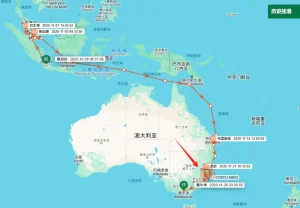
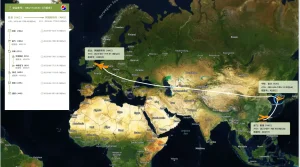
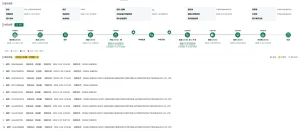
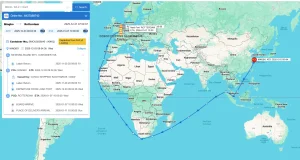
Real-world applications of Trackingeyes systems within the Philippine maritime and landside logistical network.
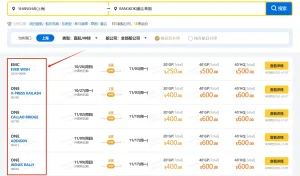
Avoid missing critical gate-in windows. The Trackingeyes platform pushes instant alerts when the port authority opens bookings for specific inbound voyages, ensuring Manila customs brokers submit documentation during the optimal timeframe.
Ocean carriers levy steep demurrage penalties if containers sit in Manila ports past their free-time allowance. Our system tracks exact landing times, triggering automatic notifications to warehouse dispatchers 48 hours before charges accrue.
Extend your visibility from Manila Port to regional warehouses in Bulacan, Pampanga, and Batangas. Integrate sailing schedules directly into your enterprise ERP, ensuring truck fleets are dispatched only when containers clear the docks.
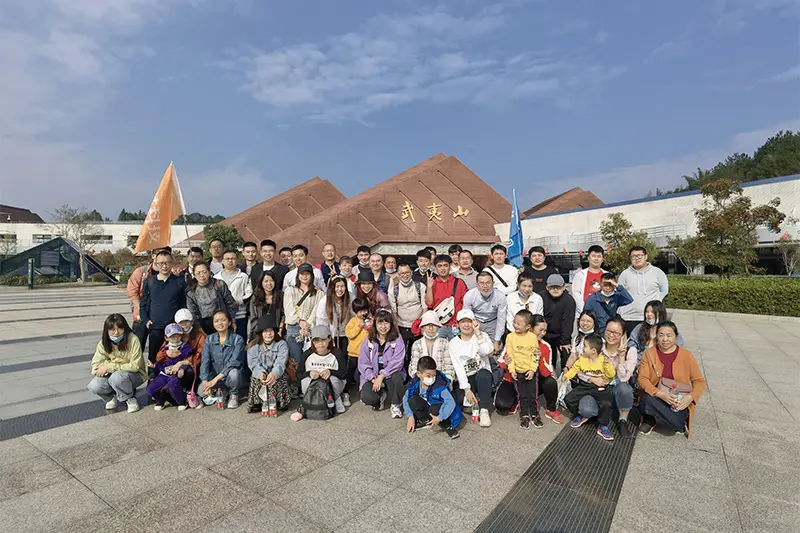
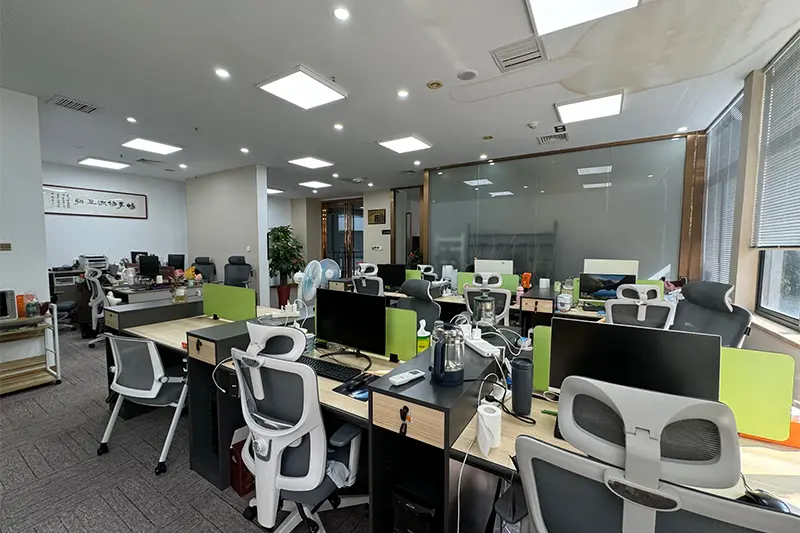
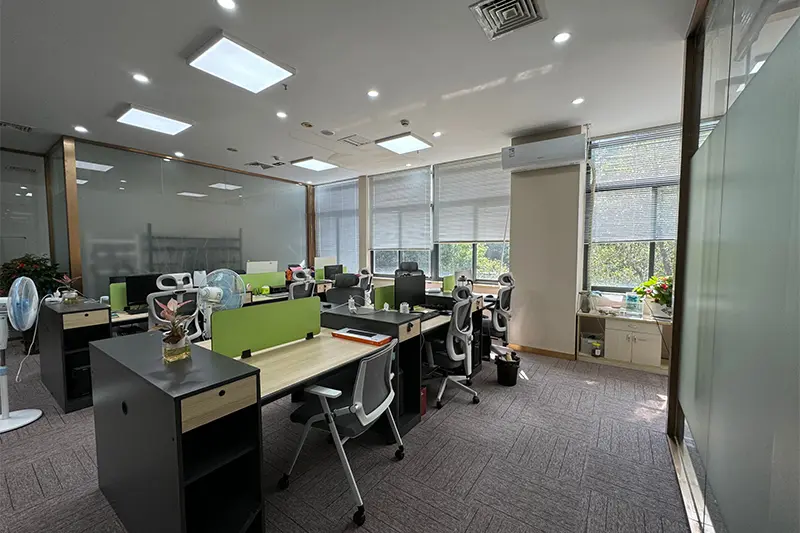
Founded in 2015, Trackingeyes is a leading global provider of end-to-end logistics tracking and supply chain visualization solutions. With a founding team boasting over ten years of logistics expertise, we deeply understand industry pain points. We specialize in global end-to-end cargo tracking by sea and air, serving thousands of import and export enterprises worldwide. Our services include customizable tracking solutions and open API data interfaces to enhance supply chain visibility and operational efficiency.
Through the Trackingeyes Platform, customers can quickly connect with hundreds of global data sources, greatly improving the efficiency and intelligence of logistics tracking. The platform achieves full chain data coverage from the source to the terminal through the collection and aggregation of data sources, including logistics information from various data sources such as stations, terminals, customs, shipping companies, and airlines.
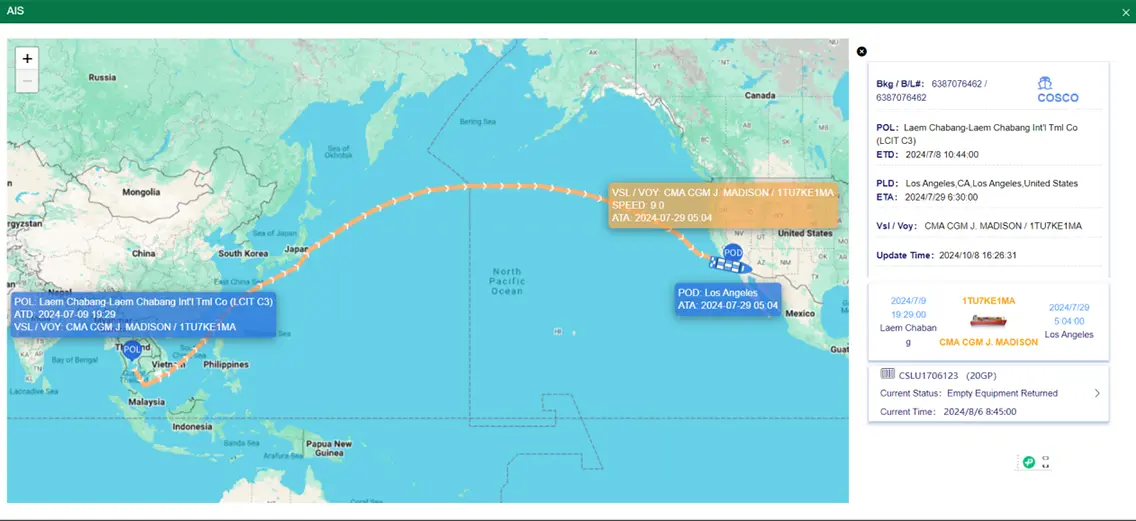
"Through API interface integration, the dynamics of goods can be automatically written back to internal systems and customer service systems of the enterprise, assisting global logistics enterprises, supply chain enterprises, cross-border e-commerce enterprises, software platforms and other enterprises to achieve more efficient and refined goods tracking management, and to do risk control and prediction in advance."
The logistics tracking sector is evolving from simple coordinate pinging to cognitive supply chain orchestration. AI-powered predictive ETAs are replacing static ocean carrier estimations. Predictive algorithms synthesize vessel speeds, marine weather trends, historical port dwell patterns, and current port queues to calculate dynamic arrival estimates with over 95% accuracy.
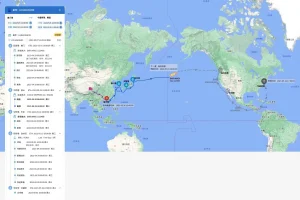
Simultaneously, the integration of maritime and landside visibility is becoming standard practice. Consignees in the Manila market require data architectures that track the container from the inland loading dock in China, through the maritime voyage, into the Manila port warehouse, and finally to the retail shelf or manufacturing site. Platforms that utilize unified API JSON payloads are leading this transition, allowing companies to automate invoice validation, customs status notifications, and supplier performance rankings.
Technical details, integration queries, and regional support information for Manila shippers.
Examine our specialized API systems, automated platforms, and global vessel tracking interfaces below.
Contact our tech support team today to receive a free consultation regarding API integrations, custom tracking panels, and automated sailing schedules.
Send Inquiry Now Trackingeyes