Optimized tracking solutions designed to mitigate maritime bottlenecks and streamline trans-Pacific trade channels.
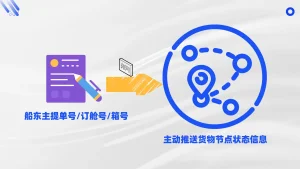
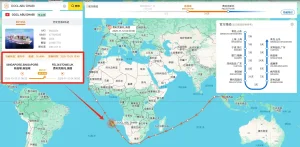
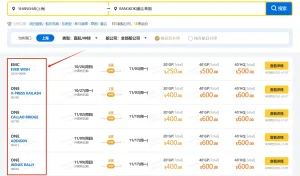
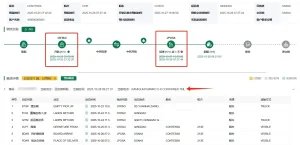
As an island nation geographical positioning dictates that New Zealand is highly dependent on ocean and air cargo networks to sustain its economy. Over 99% of New Zealand's import and export trade by volume moves via maritime channels. Key oceanic hubs like the Port of Tauranga, Port of Auckland, Lyttelton Port, and Napier Port act as critical gateways. Yet, being at the periphery of main global shipping lanes leaves New Zealand shippers uniquely vulnerable to international supply chain disruptions, port delays, and container imbalances.
In the aftermath of recent global trade fluctuations, Kiwi businesses are realizing that standard milestones provided by carriers are no longer sufficient. Real-time, independent data has transitioned from a nice-to-have operational perk to an essential business defense mechanism. Importers and exporters require accurate, predictive visibility into cargo movements to manage inventory cycles, satisfy strict domestic service-level commitments, and prevent spiraling demurrage charges.
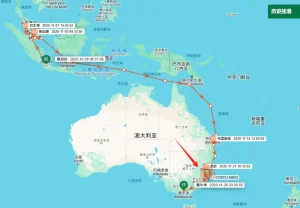
A minor delay at a transshipment hub like Singapore, Tanjung Pelepas, or Sydney can derail delivery timelines by two to three weeks for New Zealand businesses. Without proactive alerts, local companies face significant operational bottlenecks at destination ports, leading to costly storage fees, lost sales, and critical raw material stockouts.
New Zealand's commercial and industrial enterprises operate with unique spatial and structural dynamics. The primary export sectors—consisting of dairy, meat, horticulture, and forestry—require strict adherence to cold chain parameters and complex biosecurity regulations. Similarly, the import sector, which spans heavy industrial machinery, consumer electronics, and automotive fleets, requires precise scheduling to coordinate with local transport linkages.
Agricultural exports are subject to strict time constraints and temperature tolerances. Any unscheduled delay at the terminal or during ocean transit can compromise the quality of perishable goods. Importers of specialized pharmaceuticals and food products face similar risks. Advanced shipment tracking provides automated notifications of temperature shifts and delay risks, enabling exporters to make timely alternative routing decisions and protect product integrity.
New Zealand's Ministry for Primary Industries (MPI) maintains strict biosecurity protocols. Incoming vessels and containers must undergo rigorous inspections and clearance processes. Delayed or missing tracking documentation can cause containers to be held for extended quarantine checks, resulting in costly penalties. Trackingeyes provides comprehensive data coverage and automated updates, ensuring compliance documentation is accurate and submitted on time to prevent customs delays.
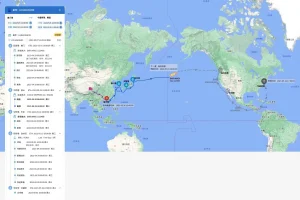
Global supply chain managers are shifting away from fragmented, legacy point solutions and moving toward unified tracking architectures. Trackingeyes bridges this gap by offering a single platform that consolidates data across multiple transportation modes, including ocean freight, container hubs, air transport networks, and local rail/road corridors.
The next generation of logistics visibility tools will transition from reactive tracking to proactive, autonomous decision-making support. Integrating advanced data models and IoT telemetry will allow systems to actively manage exceptions rather than simply reporting status changes.
API-first architecture allows logistics platforms to stream telemetry data directly into warehouse management software (WMS) and ERP systems. This real-time data flow helps automate warehouse labor scheduling, optimize storage capacity, and streamline customer order fulfillment cycles.
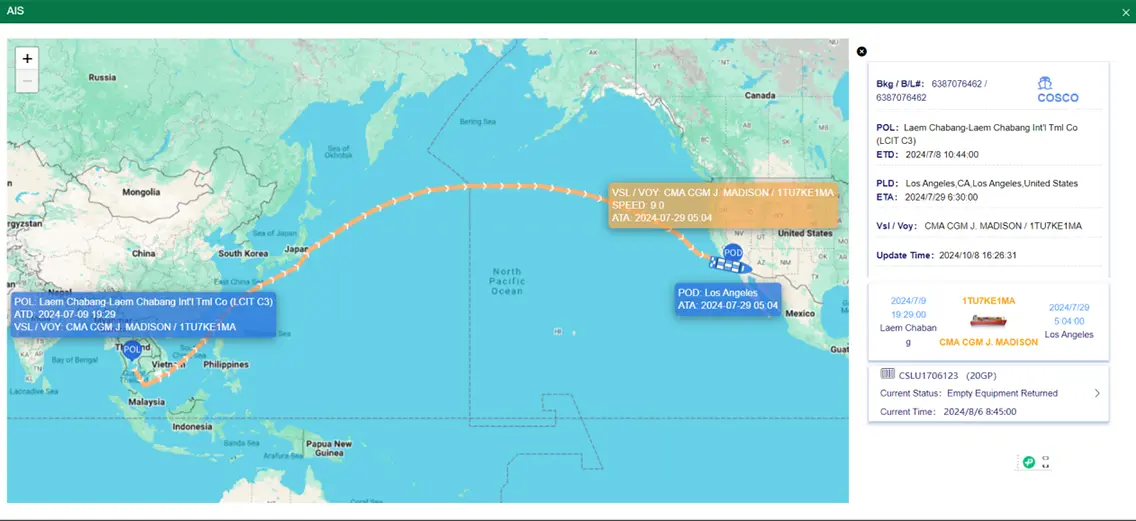
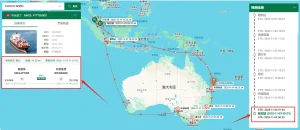
By combining historical port performance data, real-time AIS vessel tracking, and predictive weather modeling, modern tracking engines can identify potential transit delays up to five days before they occur, allowing shippers to proactively adjust routing.
Environmental regulations are prompting shippers to track and report their Scope 3 greenhouse gas emissions. Trackingeyes integrates emissions calculations directly into transit data, providing detailed carbon footprint reports for every container journey.
Navigating the complex regulations of trans-Tasman and global trade routes requires localized expertise. Generic tracking solutions often fail to account for the unique operational realities of New Zealand's customs clearance structures, biosecurity screening protocols, and domestic intermodal transport networks.
Trackingeyes delivers localized tracking infrastructure specifically configured for the New Zealand market. By incorporating local port operating systems, MPI inspection schedules, and KiwiRail freight data, our platform provides complete visibility from initial dispatch at international source ports through to final inland delivery.
Furthermore, we assist local companies in achieving compliance with the New Zealand Customs Service (NZCS) Secure Exports Scheme (SES), providing verifiable chain-of-custody data that helps expedite clearance at destination ports.

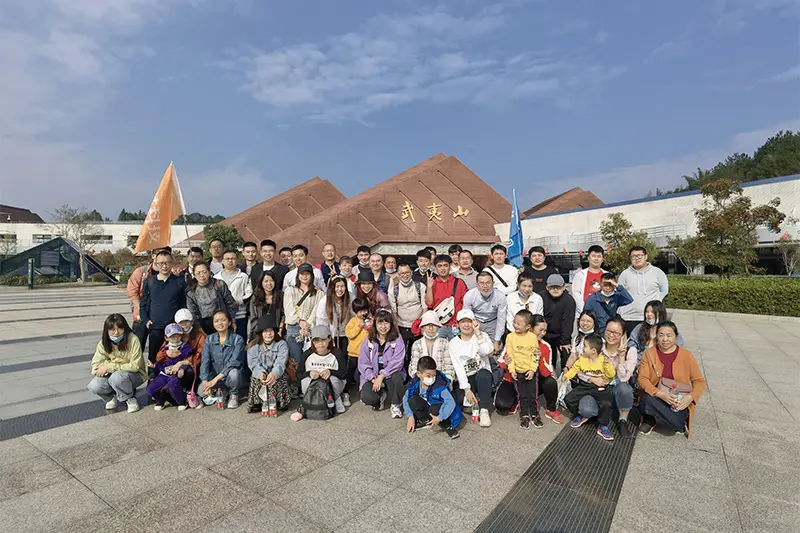
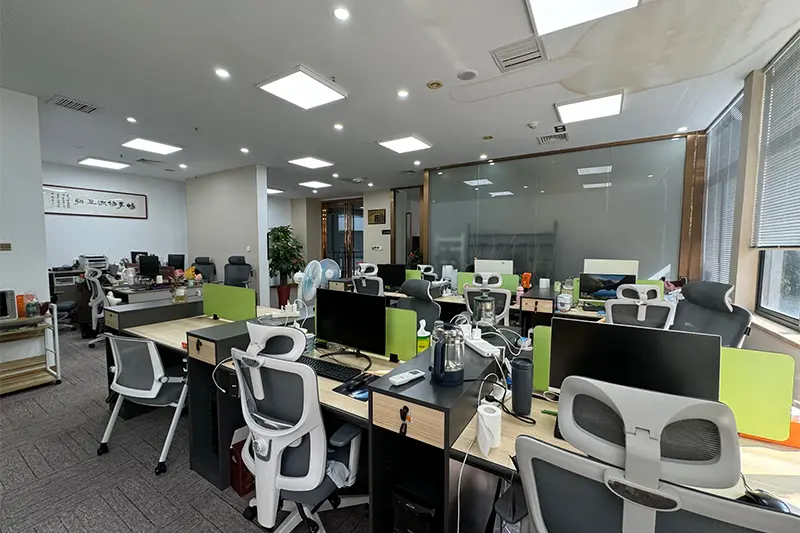
Founded in 2015, Trackingeyes is a leading provider of global end-to-end logistics tracking and supply chain visualization solutions. With a founding team boasting over ten years of logistics expertise, we deeply understand industry pain points. We specialize in global end-to-end cargo tracking by sea and air, serving thousands of import and export enterprises worldwide. Our services include customizable tracking solutions and open API data interfaces to enhance supply chain visibility and operational efficiency.
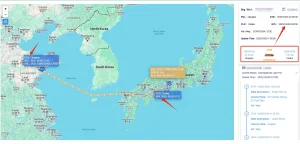
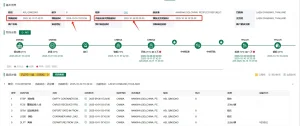
The platform achieves full chain data coverage from the source to the terminal through the collection and aggregation of data sources, including logistics information from various data sources such as stations, terminal, customs, shipping companies, and airlines. Through the Trackingeyes’ Platform, customers can quickly connect with hundreds of global data sources, greatly improving the efficiency and intelligence of logistics tracking.
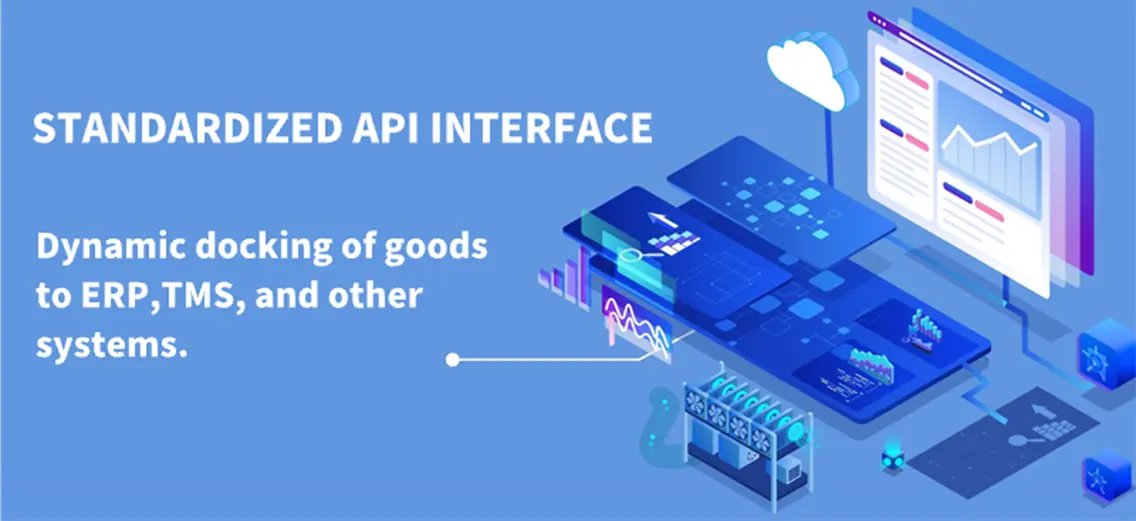
System Integration Value: Through API interface integration, the dynamics of goods can be automatically written back to internal systems and customer service systems of the enterprise, assisting global logistics enterprises, supply chain enterprises, cross-border e-commerce enterprises, software platforms and other enterprises to achieve more efficient and refined goods tracking management, and to do risk control and prediction in advance.
Practical answers to help supply chain managers optimize shipping visibility and operations.
Select from our range of specialized data integrations and tracking components to build a resilient global supply chain.
 Trackingeyes