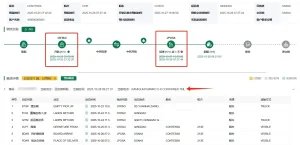
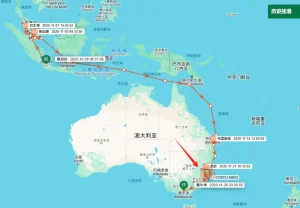
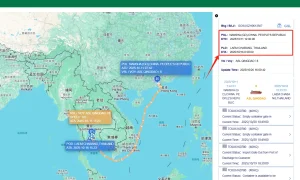
Streamline your dry port transit, monitor customs arrival windows, and trace transshipment corridors with our primary logistics tracking platforms.


As a double-landlocked nation bordered by five landlocked countries (Kazakhstan, Kyrgyzstan, Tajikistan, Afghanistan, and Turkmenistan), Uzbekistan faces a complex web of logistics corridors. Whether moving agricultural exports like cotton and fresh produce, or raw metallurgical materials, shipments must cross at least two international borders to reach ocean-going vessels.
Under the **New Uzbekistan Development Strategy**, the region has experienced an industrial renaissance. Cross-border transit through the Northern corridor via Kazakhstan, the Southern routes through Turkmenistan and Iran (Bandar Abbas), and the Trans-Caspian / Middle Corridor routes require highly sophisticated multimodal tracking systems to mitigate bottlenecks, customs hold-ups, and unpredictable port transshipments.
Integrating maritime AIS data feeds with Eurasian rail networks ensures seamless visual coverage from deep-sea harbors directly to local dry port warehouses.
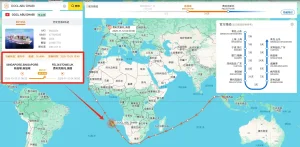
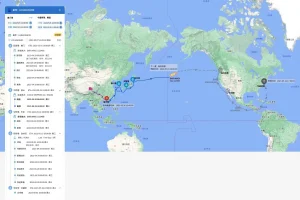
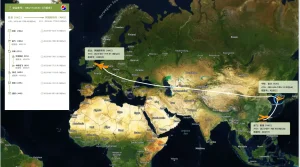
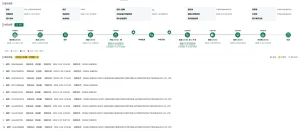
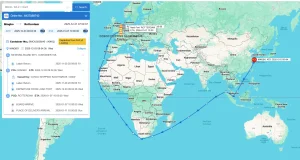
We link deep-sea tracking metrics (ATA, ATD, vessel speed) with land-based rail tracing systems (SMGS/CIM). This allows Central Asian manufacturing operations to trace inbound components from East Asian or European ports across the trans-Kazakhstan rail routes.
Logistics systems in Uzbekistan rely heavily on ERP platforms like **1C:Enterprise** and custom local systems. Our open-architecture JSON REST APIs compile tracking nodes into structured, clean feeds that sync seamlessly with native corporate databases.
Machine learning models analyze historical bottleneck patterns at crucial hubs like Altynkol, Dostyk, and Lianyungang to generate dynamic predictive ETAs, alerting logistics teams to coordinate storage plans in advance.
Founded in 2015, Trackingeyes is a leading provider of global end-to-end logistics tracking and supply chain visualization solutions. With a founding team boasting over ten years of logistics expertise, we deeply understand industry pain points.
We specialize in global end-to-end cargo tracking by sea and air, serving thousands of import and export enterprises worldwide. Our services include customizable tracking solutions and open API data interfaces to enhance supply chain visibility and operational efficiency.
The platform achieves full chain data coverage from the source to the terminal through the collection and aggregation of data sources, including logistics information from various data sources such as stations, terminals, customs, shipping companies, and airlines. Through the Trackingeyes’ Platform, customers can quickly connect with hundreds of global data sources, greatly improving the efficiency and intelligence of logistics tracking.
Connect with Our Support Engineers


Tailored monitoring capabilities addressing the logistics demands of Uzbekistan's major industrial sectors.
Car assembly lines depend on parts shipped from South Korea, China, and Europe. Any container delayed at transshipment points halts production. Our tracking solution provides exact container tracking along with auto-matching schedules to plan warehouse floor activities and avoid demurrage costs.
Uzbekistan is a major exporter of high-quality cotton yarn, fresh fruits, and vegetables to the CIS and European markets. Real-time temperature control notifications and rail wagon tracking keep perishable supply chains moving efficiently without standard documentation gaps.
Exporting copper, steel, and chemical compounds from industrial complexes like Almalyk and Navoi requires heavy-haul rail shipping. Our system integrates directly with rail tracking sensors to map out cross-border transit points and secure cargo progress updates.
With the rapid growth of retail platforms in Tashkent, consumer-facing air cargo and truck freight tracking helps local sellers optimize delivery windows and manage end-user expectations.
Operating in Central Asia requires strict compliance with localized data regulations and coordination with local trade bodies.
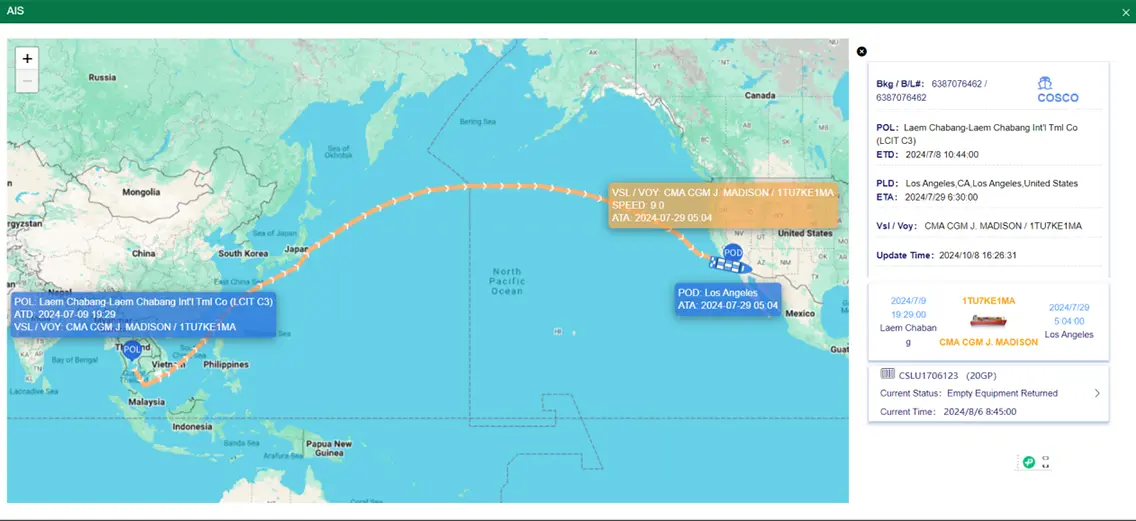
Through API interface integration, the dynamics of goods can be automatically written back to internal systems and customer service systems of the enterprise, assisting global logistics enterprises, supply chain enterprises, cross-border e-commerce enterprises, software platforms and other enterprises to achieve more efficient and refined goods tracking management, and to do risk control and prediction in advance.
Our tracing systems comply with both national data security laws in Uzbekistan (e.g., local storage requirements for critical transit metrics) and international customs guidelines. We cooperate with regional logistics systems, easing the passage of digital documents.
As the China-Kyrgyzstan-Uzbekistan (CKU) railway route expands, our platforms are updated to trace and display new transit milestones. Real-time updates utilize machine learning models to suggest optimal, congestion-free routes through Central Asian border passes.
Recognizing regional demands, our web interfaces, documentation, and customer support channels are available in Russian and English to facilitate smooth collaboration among your localized administrative staff and clearing brokers.
Get answers to critical inquiries regarding intermodal tracking systems, customs integrations, and setup procedures.
A: By integrating AIS maritime data with inland rail carrier feeds (SMGS/CIM) and regional terminal databases, we bridge the gap between ocean arrivals at ports like Vladivostok or Bandar Abbas and inland rail lines headed toward Tashkent.
A: Yes, our RESTful API provides clean JSON feeds that local systems (such as 1C:Enterprise or proprietary custom logistics systems) can easily parse, ensuring data integration without manual data entry.
A: Standard ETAs do not account for customs delays or gauge changes. Our AI system monitors route speed deviations, generating accurate arrival forecasts and protecting businesses from costly demurrage fees.
A: Yes, our system monitors airway bill (AWB) milestones across major global carriers operating flights to Tashkent International Airport, maintaining high visibility for urgent high-value items.
Explore our range of vessel tracking, schedule matching, and air freight tracking solutions customized for the Central Asian market.
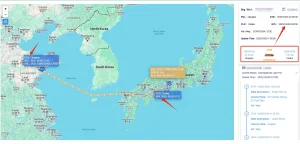
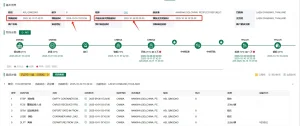
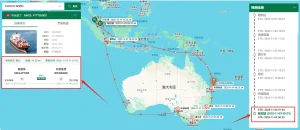
Working alongside global shipping lines, dry ports, and customs clearance agents to keep cargo moving efficiently.

Our dynamic system updates automatically. Status alerts feed straight into your CRM or internal tracking systems to flag potential bottlenecks before they disrupt operations.
 Trackingeyes