High-precision tracking solutions tailored to Spain's maritime and air cargo networks.

Identify terminal operation failures early. Receive proactive alerts about cargo release status at critical destination ports across Spain to avoid severe demurrage fees.
Learn More →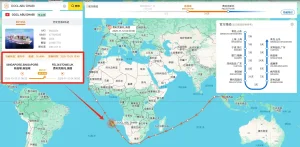
Gain millisecond-level updates on actual time of departure (ATD) and arrival (ATA) for vessels transiting the Gibraltar Strait and Mediterranean ports.
Learn More →
Optimize route selection using an automated matching engine designed to connect ocean carrier schedules directly to market freight rates.
Learn More →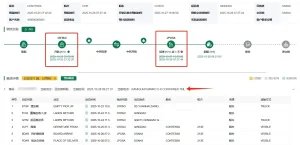
High-quality automation for logistics operations. Automatically calculate dynamic ETAs, reducing tracking overhead by up to 85%.
Learn More →An In-Depth Analysis of the Iberian Peninsula as Europe's Gateway
As global logistics navigates unprecedented complexity, Spain has emerged as one of the most critical structural conduits for international trade in Southern Europe. Geographically positioned as the bridge between the Mediterranean Sea, the Atlantic Ocean, and the African continent, Spain processes millions of TEUs (Twenty-foot Equivalent Units) annually. Key maritime nodes such as the Port of Algeciras, the Port of Valencia, and the Port of Barcelona serve as primary reception and transshipment gateways. These ports do not merely handle cargo; they connect manufacturing centers in Asia, industrial hubs in Northern Europe, and consumers across Latin America.
However, managing cargo through these high-traffic nodes presents unique operational challenges. Spain's domestic distribution networks rely heavily on road transport and rail corridors, such as the Mediterranean Corridor (Corredor Mediterráneo), to move goods from ports to inland dry terminals like the Coslada logistics platform in Madrid. Because of the vast distances and multi-modal shifts involved, any unexpected delay at the marine terminal cascades downstream. A single cargo pick-up failure in Valencia can cause assembly lines to freeze in Martorell or produce to rot in Almería. Therefore, high-accuracy, localized shipment tracking systems are no longer optional—they are a prerequisite for supply chain survival.
Go beyond static milestones. Utilize real-time AIS data to calculate dynamic ETAs, allowing Spanish warehouses to plan labor and transportation dynamically.
Seamlessly feed live ocean and air shipping milestones directly into localized enterprise resource planning (ERP) systems used by Spanish manufacturers.
Prevent expensive demurrage and detention charges by monitoring port gate-in/gate-out statuses and terminal loading times in real time.
Bridging Far-East Manufacturing Capacity with European Logistics Standards
On a global scale, supply chains have shifted from "Just-in-Time" to "Just-in-Case." Ocean shipping routes face constant volatility from geopolitics, changing shipping alliances, and seasonal weather patterns. These global factors directly influence Spain's import networks, where the average transit time from major Asian ports to Barcelona ranges from 28 to 35 days under ideal conditions. For Spanish purchasing departments, tracking this inventory-in-transit is the single most effective way to optimize working capital and minimize safety stock levels.
As a leading global logistics technology developer and tracking services manufacturer, Trackingeyes leverages China's unmatched digital logistics infrastructure. China is home to the world's most dense networks of smart ports and high-speed cargo hubs. By developing software and API systems directly within this high-throughput environment, our tracking platform benefits from high-frequency testing, rapid data ingestion protocols, and robust integration patterns. This ensures that Spanish importers utilizing our platform receive data updates that are cleaner, faster, and more detailed than legacy tracking services.
How Different Sectors in Spain Drive Efficiency Using Our Tracking Services
The application of tracking services in Spain is diverse, spanning various industrial verticals. Each sector has distinct demands that require highly customizable tracking APIs:
1. Temperature-Controlled Agrifood Exports (Valencia & Andalusia): Spain is the "orchard of Europe," exporting billions of euros worth of fresh citrus, olive oils, and vegetables. Because these products have a limited shelf-life, shippers must closely monitor arrival times and container pick-up alerts. If a container sits at the destination terminal because of a pick-up failure, the entire consignment can spoil. Trackingeyes provides automatic "Port Opening Alerts" that inform exporters exactly when a vessel is ready to receive cold-chain containers, avoiding unnecessary cargo storage.
2. Automotive Just-in-Time Manufacturing (Catalonia, Galicia, Basque Country): Spain's automotive plants import components from all over the world. A delayed shipment of semiconductor modules can stall an entire production line, costing thousands of euros per minute. By integrating Trackingeyes' real-time Vessel Sailing API with internal ERP systems, manufacturers can receive instant alerts of transshipment delays. This allows procurement teams to secure alternative components locally before supply lines are cut off.
3. Fast Fashion and Retail Distribution (Zaragoza Logistics Platform - PLAZA): Fast fashion brands depend on rapid supply turnaround. Products shipped via air cargo require precise tracking from dispatch to warehouse receipt. Trackingeyes' automated air freight tracking guarantees real-time visibility into transit nodes, giving retail distributors the control needed to maintain high stock turn rates.
Leading provider of global end-to-end logistics tracking and supply chain visualization solutions.
Founded in 2015, Trackingeyes boasts a founding team with over ten years of logistics expertise. We deeply understand industry pain points, specializing in global end-to-end cargo tracking by sea and air, serving thousands of import and export enterprises worldwide. Our services include customizable tracking solutions and open API data interfaces to enhance supply chain visibility and operational efficiency.
Through the Trackingeyes Platform, customers can quickly connect with hundreds of global data sources, greatly improving the efficiency and intelligence of logistics tracking. Our systems integrate data from stations, terminals, customs, shipping lines, and airlines to achieve complete supply chain coverage.




Key Technological Directions Shaping 2025 and Beyond
The shipment tracking industry is entering a new era characterized by machine learning, predictive intelligence, and environmental compliance tracking. For Spanish businesses, three distinct trends are driving development:
1. Machine Learning for Predictive ETAs: Traditional ETA calculations rely heavily on fixed transit speed metrics. The future lies in predictive algorithms that analyze weather patterns, port congestion indexes, historical lane performance, and even strike warnings. Trackingeyes integrates this capability to offer dynamic ETA predictions that update in real-time as a vessel approaches Spanish territorial waters.
2. Multi-Modal Rail & Port Connectivity: As Spain expands its rail networks to connect coastal ports with domestic hubs like Zaragoza and Madrid, tracking solutions must bridge maritime and rail systems. Integrated APIs that provide visibility across both ocean vessels and freight trains are becoming standard requirements for European enterprise buyers.
3. Dynamic CO2 Emission Tracking: With European environmental regulations becoming increasingly strict, tracking platforms must calculate the carbon footprint of each container. Trackingeyes is building tools to help Spanish exporters monitor the carbon efficiency of their supply chains, supporting both regulatory compliance and corporate social responsibility (CSR) objectives.
Answers to Key Technical Inquiries Regarding Spain & Global Shipment Tracking
Advanced software engines, schedule APIs, and global visualization solutions serving Spain.
Integrate global maritime schedule updates directly into your operating platforms. Access comprehensive shipping routing options spanning all major ocean alliances.
Learn More →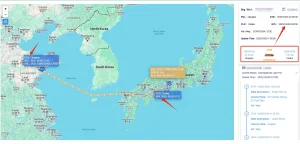
Transform legacy ERP platforms with a visual data engine. Map shipping corridors and track ocean containers dynamically inside internal business software.
Learn More →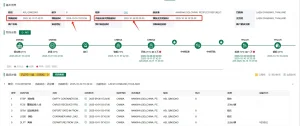
Utilize historical loading times and predictive queues to optimize delivery windows, preventing manifest delays and heavy terminal penalties.
Learn More →
Monitor intermodal freight as it moves from cargo vessels to North American inland rail corridors, with unified container status reports.
Learn More →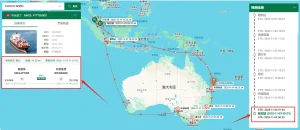
Analyze performance gains achieved through real-time AIS integration on high-volume routes connecting Far East factories with European consumers.
Learn More →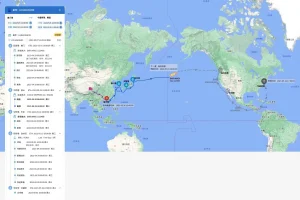
Stay updated on dynamic port opening windows and cut-off deadlines. Perfect for agricultural exporters shipping out of Spain's Mediterranean coast.
Learn More →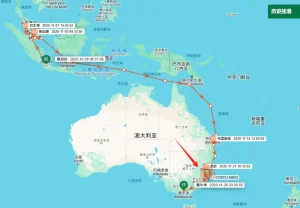
Modern visualization tools for tracking vessel movements. Maps AIS positions continuously for complete maritime supply chain visibility.
Learn More →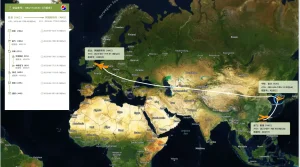
Track time-critical shipments through air transport hubs. Delivers accurate flight milestones, airport landing updates, and ground handling releases.
Learn More → Trackingeyes