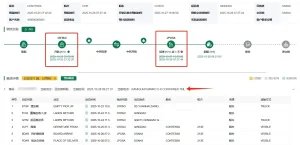
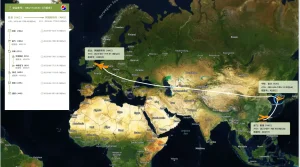
Explore our foundational tracking technologies configured specifically for Germany’s industrial core.

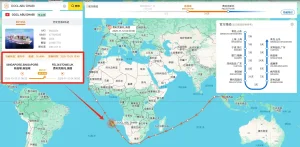
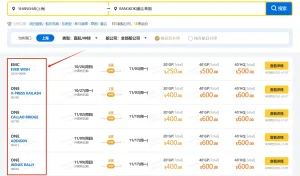
As the economic heart of Europe, the Berlin-Brandenburg metropolitan region represents a critical nexus for advanced manufacturing, biotechnology, clean energy, and automotive engineering. With the rapid expansion of facilities like the Tesla Gigafactory Berlin-Brandenburg in Gruenheide and established giants like Siemens Energy and Berlin Chemie, the local industrial engine demands precision-timed supply chains. The geographical positioning of Berlin makes it a natural gateway connecting Western European markets with Central and Eastern Europe via comprehensive multimodal corridors.
Berlin relies heavily on key Freight Village (Güterverkehrszentrum - GVZ) hubs to manage transit. Key nodes include:
These local clusters face high volatility from global maritime shipping routes, making accurate ETA forecasts critical. An error in vessel scheduling at northern ports like Hamburg, Bremerhaven, or Rotterdam instantly impacts warehousing efficiency in Großbeeren.
A significant percentage of the sub-assemblies and raw materials feeding Berlin’s high-tech manufacturing sector originate from East Asian production lines. This long-haul reliance exposes local enterprises to global maritime bottlenecks, weather disruptions, and canal congestions. High-fidelity shipment tracking services bridge this geographical divide, providing actionable transparency from the origin port all the way to final delivery at Berlin’s industrial zones.
Traditional milestone tracking is obsolete. We leverage multi-dimensional data models to construct dynamic, predictive logistics models.
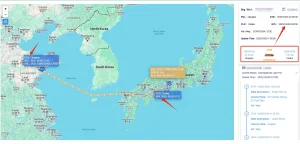
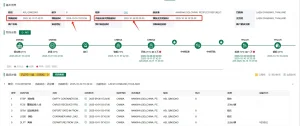
Our platform synthesizes historical port dwell times, vessel speeds, regional weather trends, and current traffic patterns to provide real-time updates and highly accurate delivery forecasts.
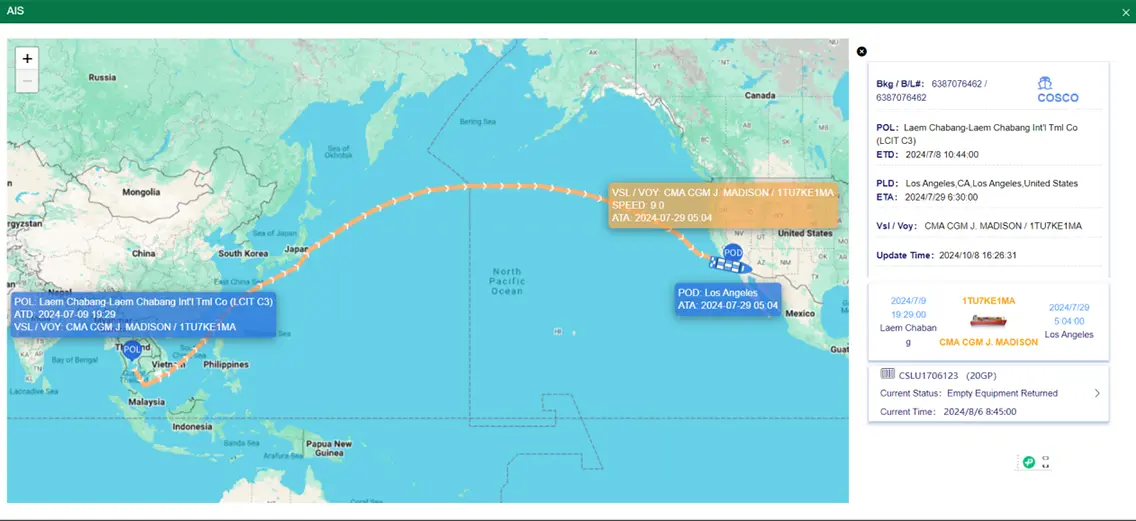
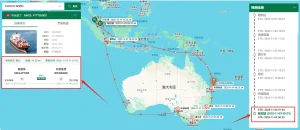
We tap directly into satellite and terrestrial AIS (Automatic Identification System) feeds. This guarantees continuous visibility of container ships even in remote open ocean corridors.
Data is only as valuable as its accessibility. Our Open APIs write location and status data directly back into customer ERPs (SAP, Oracle) and CRM software architectures.
The next phase of shipment tracking moves beyond "where is my cargo?" to "what should I do next?". By combining machine learning with global shipping telemetry, our platform automatically flags potential delays days before they happen. For example, if a feeder ship serving Hamburg is projected to miss its connection due to harbor tides, the system suggests alternative rail routings to Berlin immediately. This proactive mitigation protects supply chain continuity and minimizes port storage fees.
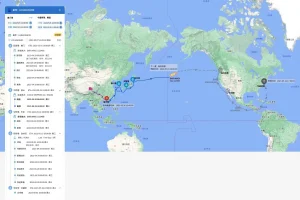
A snapshot of our global infrastructure and the real-time data flow supporting German procurement networks.
As a leading shipment tracking manufacturer, we bridge the gap between Chinese industrial outputs and Berlin's manufacturing assembly lines. The integration of China’s Industry 4.0 standards with tracking systems represents a major leap in visibility. Modern factories in China now embed smart trackers directly into products during the production phase, ensuring traceability starts at the factory floor.
By capturing telemetry at the factory gate in China, Berlin-based procurement teams gain a significant time advantage. Instead of waiting for the carrier to update shipment statuses, companies can run predictive simulations for arrival times at German ports, giving them ample time to adapt production schedules or re-route components if delays occur.
Operating a global tracking network requires strict adherence to regional regulatory frameworks. When importing goods into Germany and the wider European Union, compliance with customs and privacy rules is vital. Our platform is built from the ground up to ensure seamless, legally compliant data transmission across borders.
Under European General Data Protection Regulation (GDPR) guidelines, telemetry involving logistics transport can sometimes overlap with personal data, particularly during road transit. Trackingeyes guarantees that all data capture, storage, and processing protocols comply with GDPR mandates. We utilize secure encryption technologies to protect proprietary operational data, ensuring compliance during audits.
German Customs (Zoll) enforces strict documentation requirements at import entry points. Our tracking platform simplifies this by providing verifiable transit histories. Additionally, with the introduction of the EU Carbon Border Adjustment Mechanism (CBAM), importers in Berlin must report the embedded emissions of their imports. Our tracking software can calculate real-time transit distances and transit modes to support carbon calculations and simplify CBAM compliance reports.
A trusted global logistics partner since 2015, helping companies around the world build transparent and resilient supply chains.
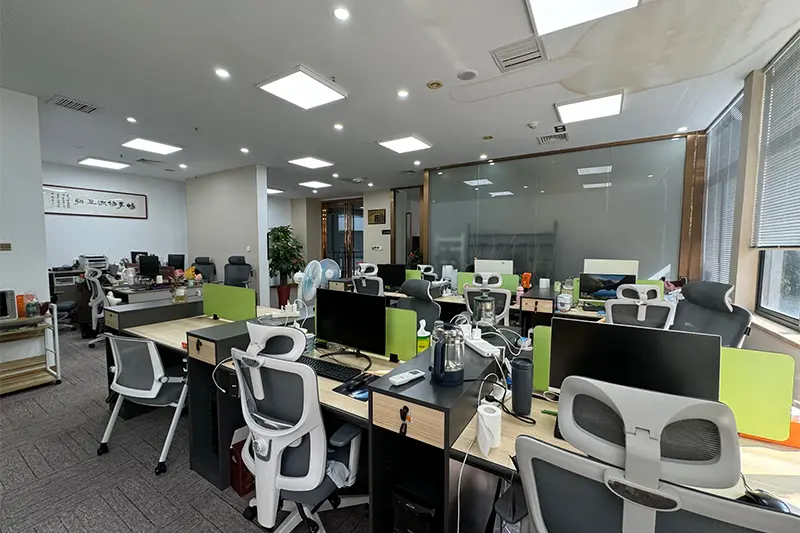
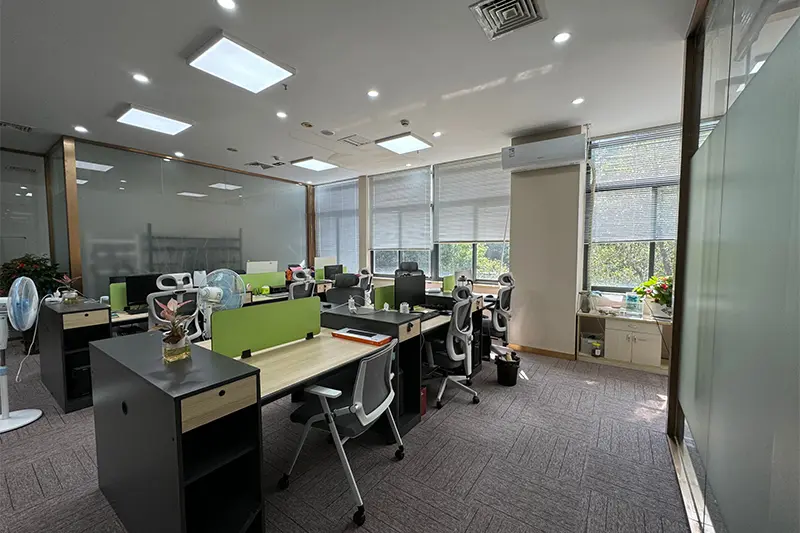
Founded in 2015, Trackingeyes is a leading provider of global end-to-end logistics tracking and supply chain visualization solutions. With a founding team boasting over ten years of logistics expertise, we deeply understand industry pain points. We specialize in global end-to-end cargo tracking by sea and air, serving thousands of import and export enterprises worldwide.
Through API interface integration, the status of your goods can be automatically updated in internal systems. This helps global logistics providers, supply chain managers, cross-border e-commerce platforms, and software providers manage shipments more efficiently and stay ahead of potential disruptions.
The Trackingeyes platform aggregates data from a wide variety of sources, including logistics updates from stations, port terminals, customs offices, shipping lines, and airlines. This centralized approach allows our customers to connect with hundreds of global data points instantly, simplifying and streamlining their tracking operations.

Unlock end-to-end visibility with our trusted tracking platform. We bring proven reliability to both ocean and air cargo tracking, giving you the accurate data and control needed to streamline operations from port to runway.
Contact Us Now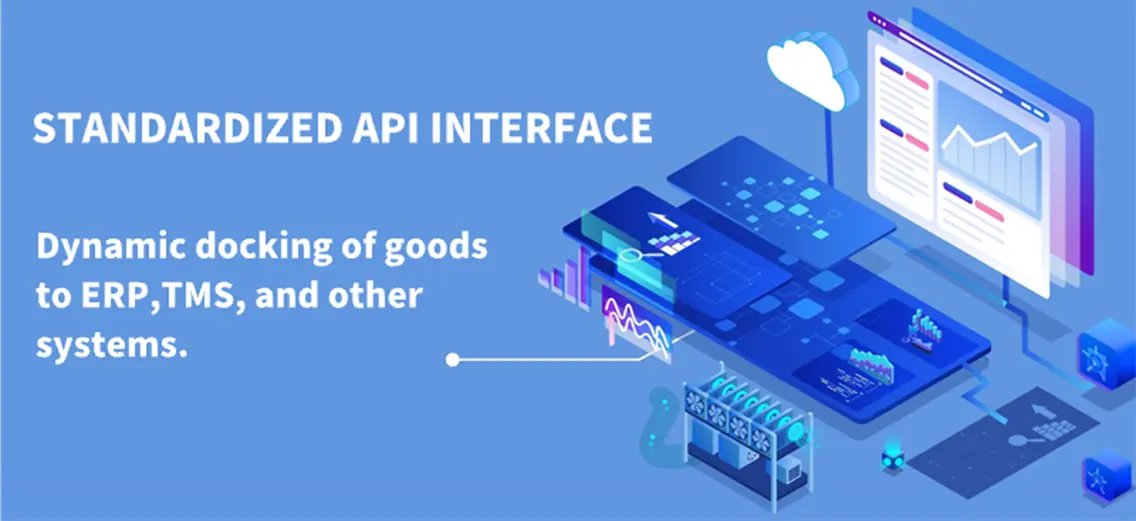
Explore our complete suite of shipment tracking products, designed to keep your cargo moving and your systems updated.
For procurement directors in Berlin's competitive manufacturing sector, selecting the right tracking provider involves evaluating several key technical and operational factors. A reliable solution must look beyond basic location coordinates to provide true, end-to-end supply chain visibility.
Investing in visibility solutions can deliver substantial returns. By using accurate, real-time tracking data, companies can optimize inventory management, reduce port dwell penalties, and lower customer support costs, contributing to a more resilient and efficient supply chain.
Expert answers to common questions about implementing shipment tracking systems in Germany.
AIS tracking uses real-time satellite telemetry to monitor cargo ships, helping local manufacturers predict ocean transit timelines and coordinate land transport from ports like Hamburg directly to Berlin warehouses.
Yes. Our data pipeline is fully compliant with GDPR regulations, utilizing secure encryption to ensure that sensitive tracking information is managed in line with European privacy standards.
Absolutely. We offer standard Restful APIs that allow you to feed tracking and ETA data directly into your SAP, Oracle, or custom ERP systems, keeping your internal teams aligned.
We provide comprehensive tracking across air cargo, ocean freight, and rail transport, helping you monitor multi-stage shipments all within a single dashboard.
Our algorithms factor in historical transit data, current port congestion, regional weather patterns, and shipping schedules to continuously update and refine estimated arrival times.
Yes. By providing early warnings for customs status and vessel updates, our platform helps logistics teams coordinate timely pickups and avoid costly terminal storage fees.
Get in touch with our team to discover how our customized tracking solutions and API integrations can build resilience into your supply chain.
Send Inquiry Now Trackingeyes