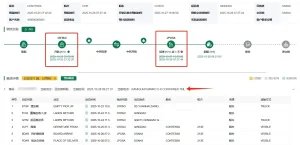
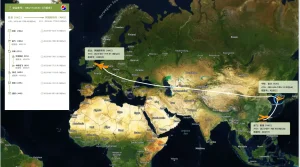
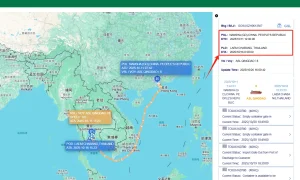
Optimize Durban, Cape Town, and SADC regional logistics with our state-of-the-art ocean and air tracking technologies.

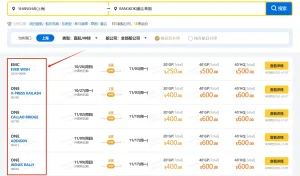
The South African maritime and logistics sector is currently undergoing a massive structural transformation. The continent’s most advanced economy relies heavily on key ocean gates such as Durban Port (DCT), Cape Town Port, and the Port of Ngqura (Coega). However, operations have historically faced severe operational friction. Container delays, berth congestion, and aging rail infrastructures managed by Transnet have resulted in significant vessel queues and extended waiting periods. For manufacturers and importers, these bottlenecks translate to heavy demurrage fees and cargo pickup failures.
In this challenging climate, deploying precise shipment tracking services is no longer just an operational upgrade—it is a vital business imperative. Real-time end-to-end cargo visualization allows South African importers to dynamically manage their demurrage exposure, reroute urgent shipments via neighboring gateways like Maputo (Mozambique) or Walvis Bay (Namibia), and accurately coordinate road transport connections to domestic logistics nodes such as the Johannesburg dry ports.

Data-driven performance metrics optimized by Trackingeyes visibility integration.

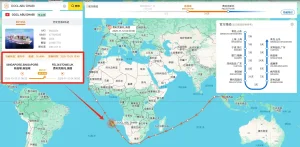
Recent geopolitical events have redirected significant global container fleets away from the Red Sea towards the Cape of Good Hope. This massive pivot has turned the oceans around South Africa into a primary global shipping artery. However, this rerouting introduces severe volatility. Vessels face unpredictable coastal weather around the Cape, bunkering queues at Algoa Bay, and over-stretched infrastructure at local ports.
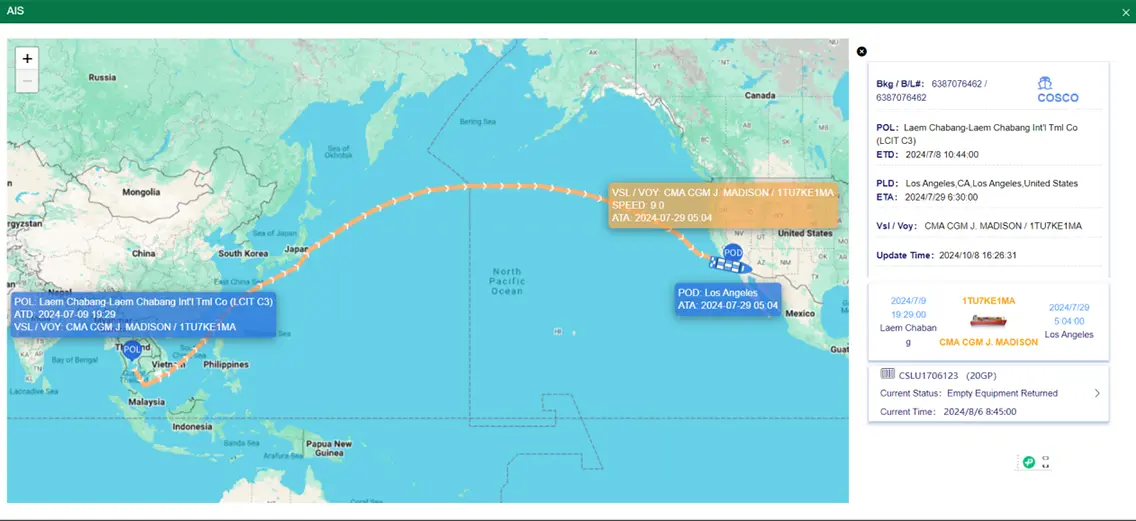
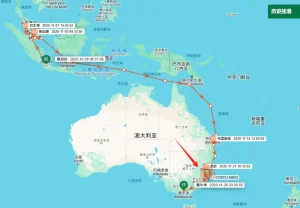
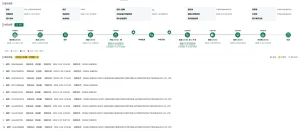
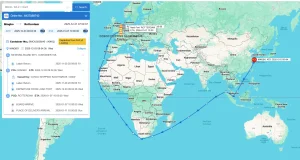
To secure international supply chains, manufacturers require high-precision AIS (Automatic Identification System) vessel tracking. Real-time updates on Actual Time of Departure (ATD) and Actual Time of Arrival (ATA) empower procurement teams in Johannesburg and global hubs to predict container positions dynamically. Trackingeyes' predictive ETA engine integrates historical transit records and real-time port traffic data to forecast port arrival times with high accuracy, ensuring companies can manage customer expectations seamlessly.
Technological innovations redefining cargo visibility, risk management, and predictability in South Africa.
Going beyond standard static carrier alerts. Machine learning models analyze port congestion data, weather patterns, and terminal queues to provide high-accuracy predictive delivery estimates.
Automatic status updates triggered as containers pass critical milestones, such as border posts, inland rail yards (NATCOR), or terminal gates.
Directly feed tracking and milestone data into enterprise systems (SAP, Oracle, Sage, Syspro) to eliminate manual portal querying and streamline operations.
South Africa's industrial and retail sectors import significant volumes of machinery, electronics, and automotive parts from China. In the era of Factory 4.0, Chinese manufacturers are integrating logistics tracking systems directly into their production lines. Supply chain transparency begins at the assembly line, tracking goods as they transition from raw materials to packaged cargo ready for shipment.
By leveraging Chinese Factory 4.0 logistics engines, Trackingeyes connects the manufacturing origin directly to the destination port in South Africa. Through specialized container milestone APIs, South African procurement managers gain early visibility into cargo status before the vessel even departs ports like Ningbo-Zhoushan, Shanghai, or Shenzhen. This early visibility allows for proactive shipping container allocation, freight rate optimization, and minimized risk of delayed deliveries.

Integrate these critical tools to minimize operational disruptions and secure your supply chain.
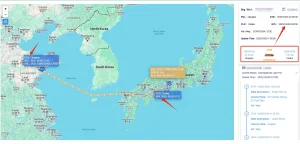
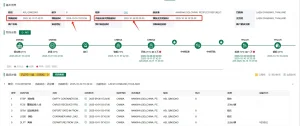
South Africa’s cargo network operates largely on transit corridors. The Natal Corridor (NATCOR), connecting the Port of Durban to the industrial hub of Gauteng (Johannesburg, Pretoria), handles the majority of the country's containerized imports. Delays on this corridor, caused by rail line outages or truck staging issues, can add days to domestic delivery timelines.
Additionally, South Africa serves as a critical transit gateway for landlocked neighbors like Zimbabwe, Zambia, and Botswana. Tracking logistics across borders requires integrated multi-modal monitoring. Combining maritime AIS tracking with geofenced border alerts at Beitbridge or Ressano Garcia allows operators to pinpoint cargo positions, identify route bottlenecks, and coordinate with clearing agents ahead of time to minimize delays.
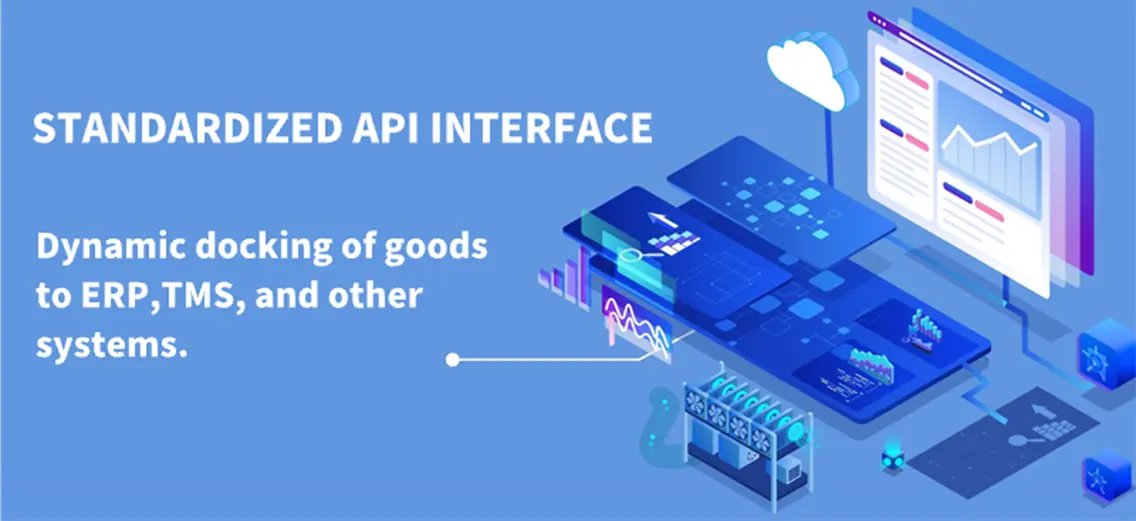
Modern procurement directors require robust logistics visibility platforms that offer integration, data accuracy, and reliability. High-value cargo demands end-to-end tracking to mitigate risks and streamline inventory management.
Trackingeyes meets these enterprise needs with standard-compliant API infrastructure. Our platform provides high data coverage across major shipping lines, airlines, and ports globally. Features like standardized JSON outputs and reliable data streaming help logistics teams automate workflow alerts and proactively manage supply chain operations.
Your Trusted Partner in Global End-to-End Logistics Visualization and Analytics.
Founded in 2015, Trackingeyes is a leading provider of global end-to-end logistics tracking and supply chain visualization solutions. With a founding team boasting over ten years of logistics expertise, we deeply understand industry pain points. We specialize in global end-to-end cargo tracking by sea and air, serving thousands of import and export enterprises worldwide. Our services include customizable tracking solutions and open API data interfaces to enhance supply chain visibility and operational efficiency.
Through the Trackingeyes’ Platform, customers can quickly connect with hundreds of global data sources, greatly improving the efficiency and intelligence of logistics tracking. Our platform achieves full chain data coverage from the source to the terminal through the collection and aggregation of data sources, including logistics information from various data sources such as stations, terminal, customs, shipping companies, and airlines. Through API interface integration, the dynamics of goods can be automatically written back to internal systems and customer service systems of the enterprise, assisting global logistics enterprises, supply chain enterprises, cross-border e-commerce enterprises, software platforms and other enterprises to achieve more efficient and refined goods tracking management, and to do risk control and prediction in advance.
Explore our complete range of maritime visibility tools, AIS APIs, and automated container tracking solutions.
Expert answers to common queries regarding cargo tracking services in South Africa.
Contact our logistics visibility experts today to integrate real-time tracking, reduce demurrage fees, and improve operations across Durban, Cape Town, and SADC corridors.
 Trackingeyes