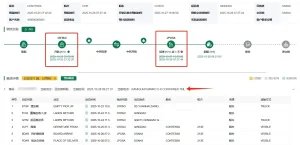
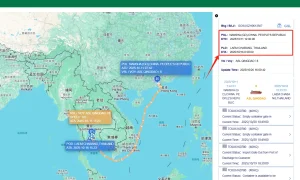
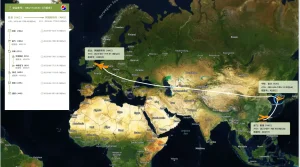
Our core integration services targeting transit challenges, vessel tracking, and schedule optimizations in Indonesian ports.

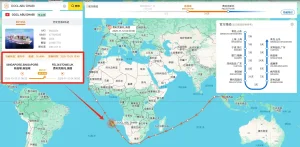
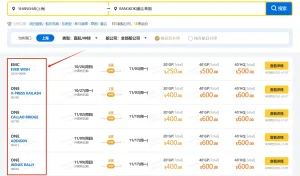
An authoritative analysis on navigating spatial dispersion, port bottlenecks, and AIS data models in Southeast Asia's largest economy.
Indonesia constitutes the world’s largest archipelagic state. Because of its geographic division across the Java Sea, Makassar Strait, and Banda Sea, the movement of industrial materials and consumer goods depends intrinsically on complex feeder vessel arrangements, barge shipping, and inter-island container lanes. Domestic routes connecting hub ports such as Tanjung Priok (Jakarta), Tanjung Perak (Surabaya), and Belawan (Medan) to outer ports suffer from persistent schedule deviations, micro-climatic disruptions, and varying loading efficiencies.
For manufacturers, these disruptions result in high demurrage charges, missed production slots, and inventory shortages. Standard global tracking carriers often fail to log local Indonesian barge routes or inter-island feeders accurately. This creates a critical "data void" that Trackingeyes fills through high-resolution domestic AIS reception nodes, localized customs integrations, and real-time port updates.
In the post-pandemic global logistics arena, supply chain visibility has transformed from an operational luxury into a mandatory risk-management utility. Geopolitical shifts, canal disruptions, and port backlogs globally require a transition to "predictive execution". Supply chain entities now leverage dynamic algorithms to dynamically redirect vessels, adjust warehouse schedules, and manage multi-carrier distribution strategies.
By offering API data endpoints integrated directly into ERP setups (SAP, Microsoft Dynamics, Oracle Netsuite), manufacturers can dynamically match vessel routes with customer demands, preventing delays before vessels arrive at destination ports. Integrating real-time transit telemetry directly impacts working capital requirements by lowering safety stock buffers.
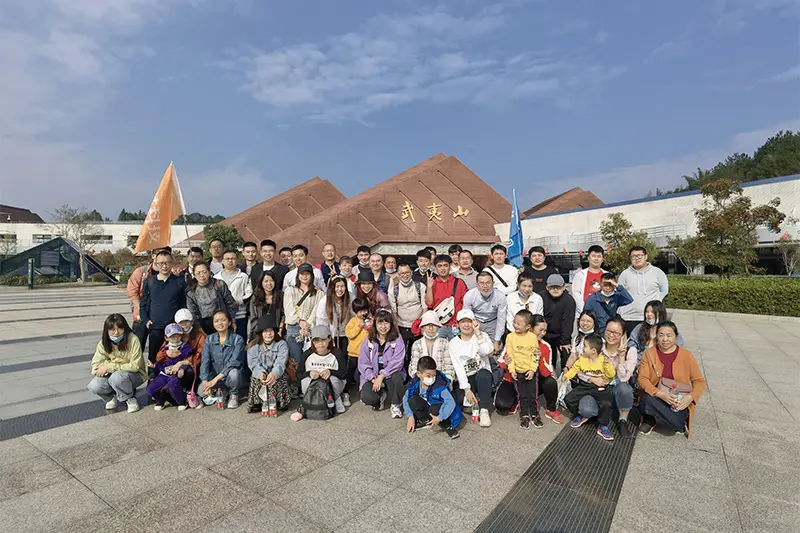
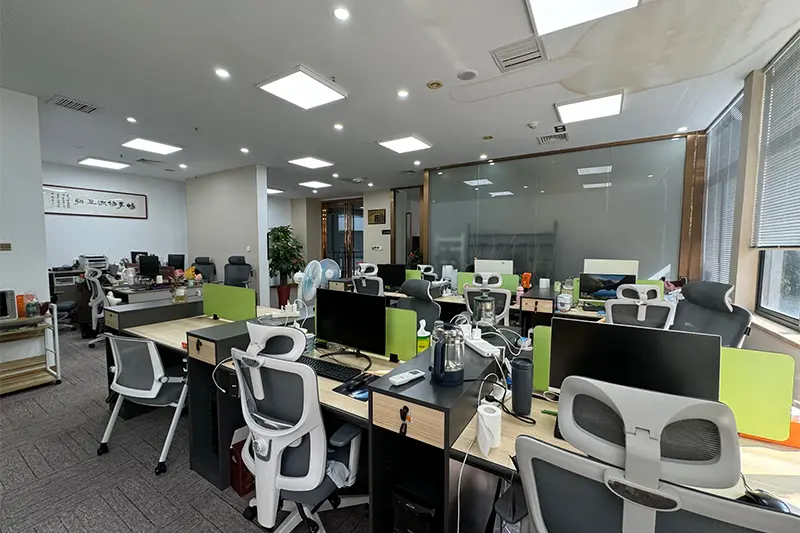
Founded in 2015, Trackingeyes is a leading provider of global end-to-end logistics tracking and supply chain visualization solutions. With a founding team boasting over ten years of logistics expertise, we deeply understand industry pain points. We specialize in global end-to-end cargo tracking by sea and air, serving thousands of import and export enterprises worldwide. Our services include customizable tracking solutions and open API data interfaces to enhance supply chain visibility and operational efficiency.
The platform achieves full chain data coverage from the source to the terminal through the collection and aggregation of data sources, including logistics information from various data sources such as stations, terminal, customs, shipping companies, and airlines. Through the Trackingeyes’ Platform, customers can quickly connect with hundreds of global data sources, greatly improving the efficiency and intelligence of logistics tracking.

Enterprise integrations mapping critical ocean carrier telemetry and ETA data directly into client logistics platforms.
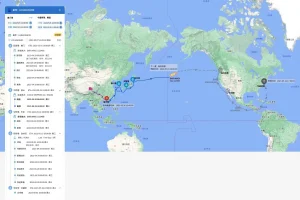
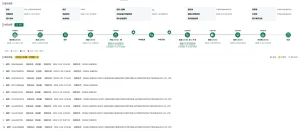
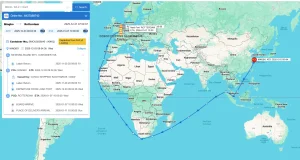
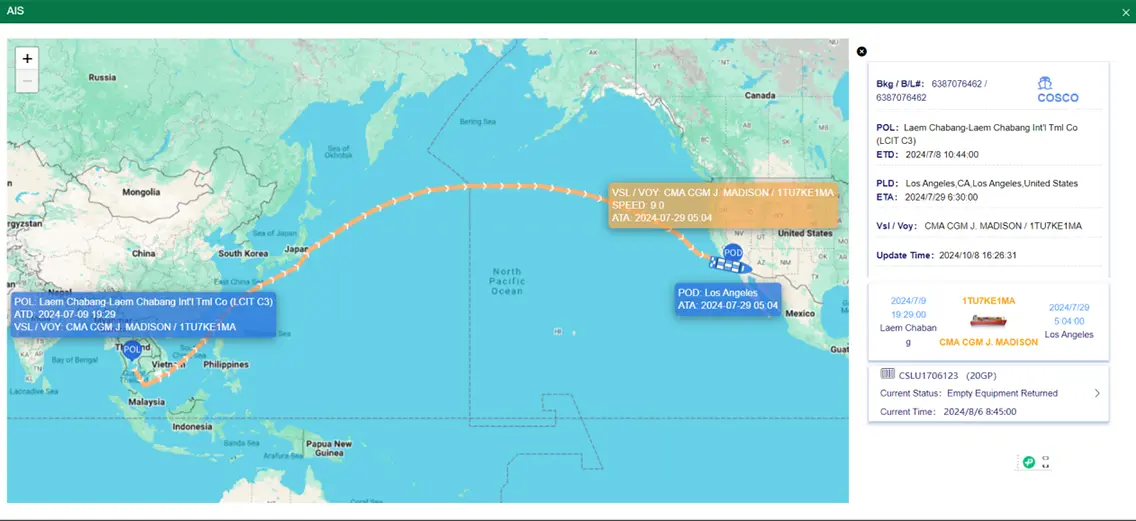
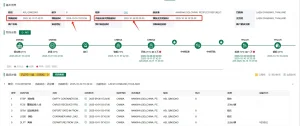
Through API interface integration, the dynamics of goods can be automatically written back to internal systems and customer service systems of the enterprise, assisting global logistics enterprises, supply chain enterprises, cross-border e-commerce enterprises, software platforms and other enterprises to achieve more efficient and refined goods tracking management, and to do risk control and prediction in advance.
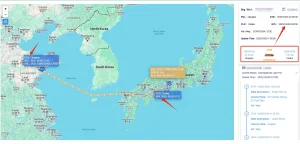
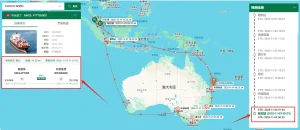
Our dynamic mapping layer integrates real-time AIS vessel telemetry with destination port congestion statistics to deliver dynamic, accurate ETA forecasts for local operators.
How next-generation machine learning and multi-source telemetry data resolve tracking blind spots.
Typical shipping schedules rely on historical averages that cannot predict sudden port labor strikes, weather anomalies, or infrastructure failures. Trackingeyes is launching a proprietary machine learning engine that scans historical port dwell times, vessel drafts, queue positions, and seasonal monsoon factors in the Java Sea. This system generates a dynamic ETA that continuously updates every 15 minutes, allowing domestic distributors to adjust warehouse staffing and road transport scheduling proactively.
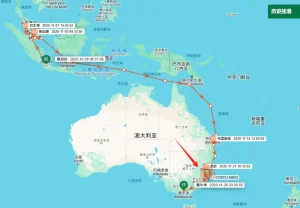
AIS spoofing or transponder shut-offs are known issues near high-traffic straits. By merging satellite AIS networks with terrestrial receiving arrays and localized custom clearance signals, our tracking model maintains contact even in satellite blind zones. The outcome is a continuous visibility map of the cargo journey, bypassing limitations of traditional single-source carrier systems.
We are shifting from standard web portal dashboards to high-performance, low-latency RESTful APIs. This allows enterprises to pull real-time location metrics directly into internal databases. No manual downloads are necessary—manifest changes, customs clearance alerts, and arrival alerts automatically populate within the shipper's native system architecture, optimizing operations.
Targeted supply chain visibility structures designed for regional industrial requirements.
Indonesian industrial manufacturing zones in Cikarang, Karawang, and Surabaya rely heavily on timely raw material imports. Delays in components can halt entire assembly lines. The Trackingeyes automated alerting system tracks import vessels through transshipment hubs like Singapore, notifying regional operations managers days in advance of changes to ETA times. This allows teams to adjust production planning dynamically.
For high-value exports like palm oil, rubber, coal, and minerals, precise tracking of vessel positions and port call windows is critical. Demurrage costs for dry bulk carriers or product tankers can scale to tens of thousands of dollars daily. By utilizing local AIS coverage, exporters can verify exact pilotage times, queue schedules, and actual times of arrival (ATA), providing data leverage when managing carrier relations.
Expert technical answers addressing cargo visibility, API integration, and maritime tracking operations.
Explore our full range of API services, schedule tools, and monitoring alerts optimized for local and regional maritime trade.
Get access to the comprehensive manufacturer pricelist, API documentation, and custom trial integrations. Let us help you eliminate tracking blind spots.
 Trackingeyes