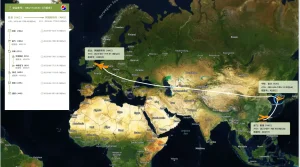
Enterprise tracking APIs and analytical layers optimized for Port Botany and Kingsford Smith Airport logistics operations.
The Sydney metropolitan region stands as the economic heartbeat of Australia's maritime trade, processing more than one-third of the nation's containerized cargo via the Port Botany precinct. As supply chains adapt to post-congestion operational patterns, the integration of advanced shipment tracking services has shifted from a back-office tool to a primary driver of landside efficiency. Sydney's unique geography—defined by high urban density surrounding the port and reliance on heavy road freight routes—demands precise, real-time tracking systems to avoid costly storage, demurrage, and detention fees.
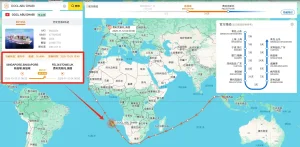
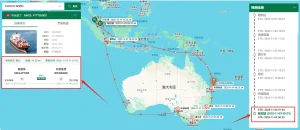
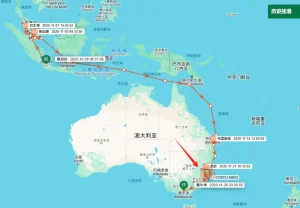
Logistics operators in New South Wales function within a highly regulated landside system. Port Botany features three primary stevedoring terminals: DP World, Patrick, and Hutchison. Each of these terminals relies heavily on strict Vehicle Booking Systems (VBS). If an importing manufacturer cannot match their landside carrier's arrival window with the vessel’s actual discharge time, they face steep financial penalties. Modern shipment tracking services bridging satellite AIS (Automatic Identification System) vessel telemetry with real-time port events mitigate this issue.
Moreover, Sydney's logistics landscape is highly vulnerable to industrial actions, coastal weather events along the Tasman Sea, and bottlenecks on key arteries like the M5 motorway and the Southern Sydney Freight Line. By implementing automated tracking, freight forwarders and shippers move from a reactive posture (waiting for carrier notices) to a proactive footing—allocating transport assets based on dynamic ETA calculations up to 72 hours before the vessel arrives inside Sydney Heads.
On a global scale, supply chains are experiencing unprecedented structural changes. Navigational challenges in the Red Sea, labor disputes at North American ports, and shifting carrier alliances (such as the Gemini Cooperation and MSC's independent networks) have shattered static schedule reliability. Average global schedule reliability has fluctuated between 50% and 60%, meaning that historic schedules can no longer be used for inventory planning.
In this high-risk landscape, real-time shipment visibility has become a baseline requirement for international trade. Organizations can no longer rely on daily PDF reports or manual carrier portal queries. Instead, they require unified control towers that aggregate global logistics events, clean data points using machine learning, and deliver structured JSON payloads directly to their ERPs (such as SAP, Oracle, or CargoWise). This shift reduces administrative overhead and minimizes the safety stock buffer sizes that companies must maintain.
As a leading developer and manufacturer of supply chain tracking software, our operations in China leverage a unique technology ecosystem. The proximity to major global logistics networks—such as the Port of Shanghai and Ningbo-Zhoushan—along with access to software developers specialized in large-scale data processing allows us to continuously optimize our solutions. We maintain direct APIs into major ocean carriers, domestic barge systems, and international flight networks, ensuring high data coverage and minimal latency.
This operational foundation allows us to deliver high-quality data products at a competitive price. While Western providers often face high software development overhead and fragmented data access, our localized teams focus on data processing, carrier integration, and custom API creation. This efficiency enables us to offer scalable pricing structures, making tracking solutions accessible to growing businesses throughout the Sydney market and Oceania.
Scenario A: Cold Chain Demurrage Risk Mitigation
Importers of temperature-controlled food, beverage, and pharmaceutical products face tight storage deadlines. Once a reefer is discharged at Port Botany, the clock starts ticking on electrical power and terminal storage fees. Our platform uses real-time port alerts and ETA corrections to automatically schedule specialized refrigerated transport, protecting sensitive goods and avoiding storage penalties.
Scenario B: Just-in-Time Manufacturing Logistics
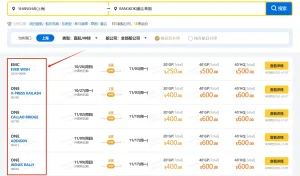
Automotive and industrial manufacturers in Western Sydney operate on tight schedules. A delay in receiving critical parts can halt assembly operations. By integrating our sailing schedule APIs, these organizations can monitor supply flows from global origins, identify potential ocean delays early, and shift shipping modes or sources to keep operations running smoothly.
Scenario C: E-Commerce Fulfilment Hub Operations
E-commerce businesses in Sydney’s logistics hubs require clear visibility over inbound freight to coordinate landside sorting shifts and update customer delivery systems. Automated tracking APIs feed data directly to customer platforms, reducing inquiries and improving the post-purchase experience.
The industry is transitioning from reactive tracking (identifying where a container is) to predictive tracking (predicting potential delays). Future platforms will incorporate broader data sources—including weather patterns, ocean currents, seasonal port congestions, and historical carrier behaviors—to construct predictive analytics models. This will allow systems to project delays before a vessel even departs its origin port.
We are also seeing increased adoption of IoT (Internet of Things) devices mounted directly on containers to monitor temperature, humidity, light exposure, and shock. While software APIs remain the primary option for volume visibility, combining software interfaces with IoT hardware provides high security for sensitive, high-value goods, creating a comprehensive visibility framework for global supply chains.
Founded in 2015, Trackingeyes is a leading provider of global end-to-end logistics tracking and supply chain visualization solutions. With a founding team boasting over ten years of logistics expertise, we deeply understand industry pain points. We specialize in global end-to-end cargo tracking by sea and air, serving thousands of import and export enterprises worldwide. Our services include customizable tracking solutions and open API data interfaces to enhance supply chain visibility and operational efficiency.
The platform achieves full chain data coverage from the source to the terminal through the collection and aggregation of data sources, including logistics information from various data sources such as stations, terminals, customs, shipping companies, and airlines. Through the Trackingeyes’ Platform, customers can quickly connect with hundreds of global data sources, greatly improving the efficiency and intelligence of logistics tracking.


Expert insights on API integrations, data sources, and setup steps for shipment tracking platforms.
Carrier-provided ETAs often rely on static schedules and manual updates, which can miss active delays. Trackingeyes combines raw ocean carrier data with real-time satellite and terrestrial AIS vessel signals, historical port congestion patterns, and weather data. This combined data is processed through our analytics engine to update the estimated arrival time, typically alerting users to potential delays 48 to 72 hours before they appear on carrier portals.
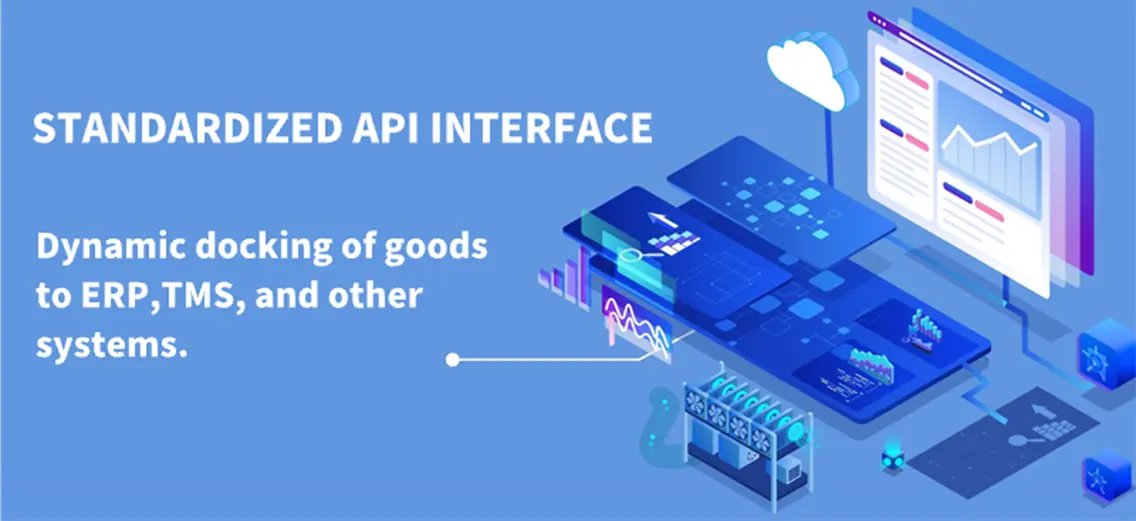
Our RESTful APIs are designed for straightforward integration, featuring clean documentation and structured JSON payloads. A standard connection using our pre-built webhooks can be completed by your development team in 3 to 5 business days. For customized integrations or complex enterprise setups (like SAP, Oracle, or CargoWise), our technical team offers support throughout the implementation process.
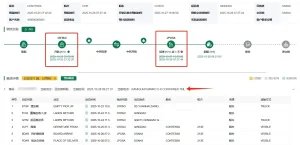
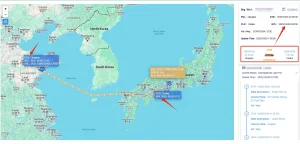
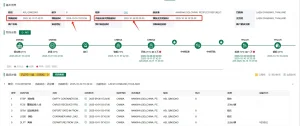
Our tracking system monitors shipments through key milestones, including origin gate-in, vessel departure, transshipment port arrival, transshipment loading, destination port arrival, and container discharge. Geofencing around global ports detects when vessels enter anchorage zones, providing visibility into transshipment points and final delivery milestones.
We provide a unified tracking solution for both sea and air cargo. Air freight tracking integrates with airline schedules and airport terminals, while ocean tracking utilizes AIS and port operating systems. Both channels deliver structured data to a single dashboard or API, helping logistics teams manage mixed-mode supply chains from a single platform.
Explore our complete suite of shipment visibility tools, data APIs, and tracking systems designed for international shipping.
 Trackingeyes