Explore our leading-edge data APIs, real-time AIS tracking engines, and automated schedule matching tools designed for modern logistics.
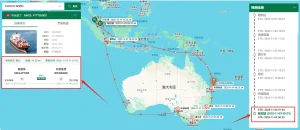
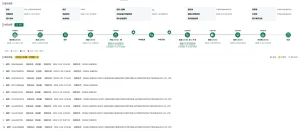
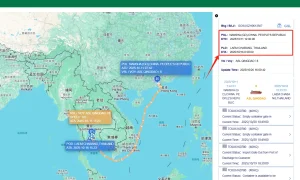
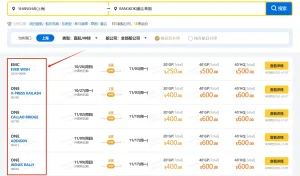
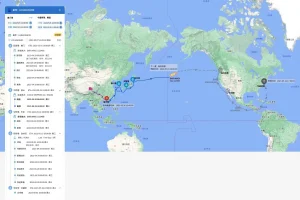
An in-depth analysis of maritime logistics volatility and the imperative for real-time visibility.
Without real-time container tracking, shippers face massive financial risks. Demurrage and detention (D&D) fees accumulate rapidly when containers sit idle at ports. Misaligned inland transportation schedules lead to wasted trucking capacity, while lack of visibility forces manufacturers to carry excess safety stock, tying up valuable working capital.
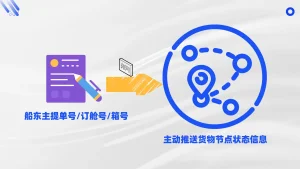
Leading global enterprises are transitioning to automated, API-driven tracking solutions. By integrating real-time AIS (Automatic Identification System) data, carrier milestones, and terminal status directly into their ERP systems, businesses gain the predictive power needed to reroute shipments, adjust production schedules, and manage customer expectations dynamically.
How AI, IoT, and Next-Gen AIS are reshaping the future of maritime logistics.
Traditional ETAs provided by ocean carriers are notoriously unreliable, often failing to account for port congestion, weather patterns, or transshipment delays. Modern tracking platforms utilize machine learning algorithms trained on historical voyage data, weather forecasts, and real-time port queues to generate highly accurate, dynamic ETAs that outperform carrier estimates by up to 40%.
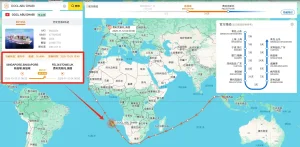
By combining Terrestrial AIS (which tracks vessels near coastlines) with Satellite AIS (which tracks vessels in the deep ocean), tracking systems now offer continuous, uninterrupted visibility of container ships worldwide. This eliminates the "black holes" of ocean transit, ensuring cargo is never lost from view.
For high-value, temperature-sensitive, or perishable goods, smart containers equipped with IoT sensors provide real-time telemetry on temperature, humidity, shock, and door openings. This data, combined with location tracking, ensures product integrity throughout the journey.
Tailoring container tracking solutions to regional infrastructure and logistics corridors.
In North America, the critical challenge is the transition from ocean ports (like LA/Long Beach or New York/New Jersey) to inland rail networks. Tracking solutions must seamlessly bridge ocean AIS data with Class I railroad EDI status updates to monitor cargo moving through major inland hubs like Chicago, Memphis, and Dallas.
Europe relies heavily on barge transport along major rivers like the Rhine and Danube. Localized tracking requires integrating river barge AIS data with ocean vessel tracking and European customs systems (such as ATLAS in Germany) to ensure smooth cross-border transit and last-mile delivery.
For exports originating in China and Southeast Asia, early visibility is key. Tracking systems must monitor port opening alerts, container gate-in events, and customs clearance status at origin ports (e.g., Shanghai, Shenzhen, Singapore) to prevent shipping delays before the vessel even departs.
A trusted pioneer in global end-to-end logistics tracking and supply chain visualization.

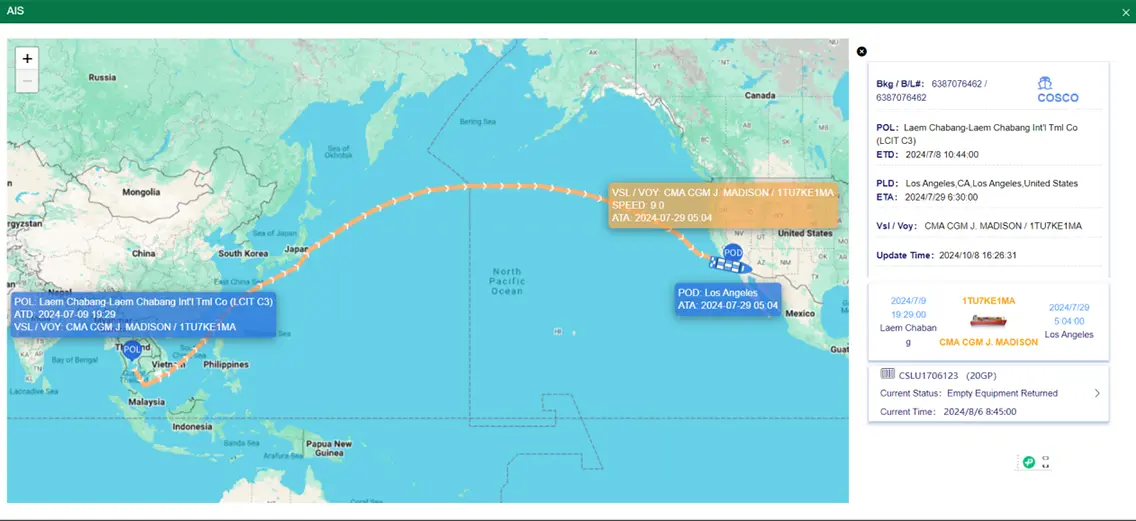
Unlock end-to-end visibility with our trusted tracking platform. We bring proven reliability to both ocean and air cargo tracking, giving you the accurate data and control needed to streamline operations from port to runway.
Contact UsEnterprise-grade architectures for global logistics providers, manufacturers, and e-commerce giants.
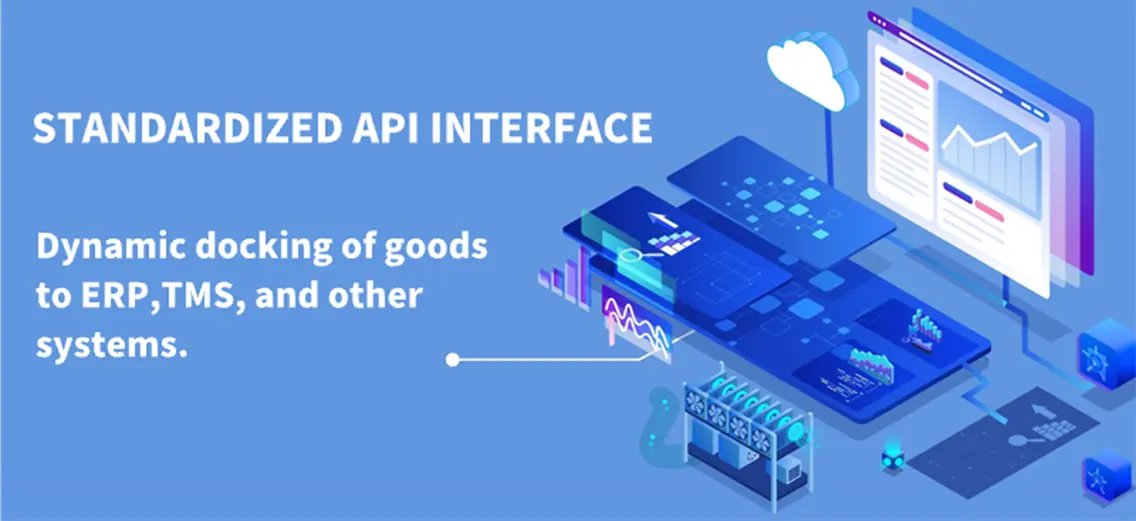
We build the visual engine for your existing ERP (SAP, Oracle, Microsoft Dynamics) or Transport Management System (TMS). By feeding real-time milestone updates directly into your procurement and sales modules, your teams can automate purchase order matching, optimize inventory replenishment, and automatically notify customers of delivery status changes.
Bridging the cross-border "last mile" is one of the most complex challenges in logistics. Our solutions integrate destination port customs release status with local drayage and trucking dispatch systems. This ensures that as soon as a container is discharged and cleared, a truck is scheduled for pick-up, minimizing port dwell times and avoiding costly storage fees.
Our platform monitors critical operational alerts, such as port opening windows, cut-off times, and cargo pick-up failures. By setting up automated alerts, logistics managers can intervene immediately when a milestone is missed, resolving issues before they escalate into supply chain disruptions or heavy financial penalties.
Our vision for the next generation of supply chain visibility technology.
We are refining our AI models to incorporate real-time port congestion indices, labor strike data, and historical terminal turnaround times. This will allow us to predict not just when a vessel will arrive at the anchorage, but exactly when the container will be ready for gate-out.
To ensure absolute data integrity and prevent disputes between shippers, carriers, and consignees, we are developing a blockchain-based ledger for key milestone events. This tamper-proof record will serve as a single source of truth for demurrage calculations and contract compliance.
We are partnering with low-Earth-orbit (LEO) satellite constellations to enable real-time, low-cost IoT sensor data transmission from anywhere on the globe, ensuring that even in the middle of the ocean, container temperature, humidity, and location are updated hourly.
Expert answers to common questions about container tracking, APIs, and maritime visibility.
Complete your logistics toolkit with our specialized rail, ERP, and AI-driven prediction modules.
 Trackingeyes