Explore our leading-edge tracking hardware, software platforms, and API services designed to optimize global logistics.
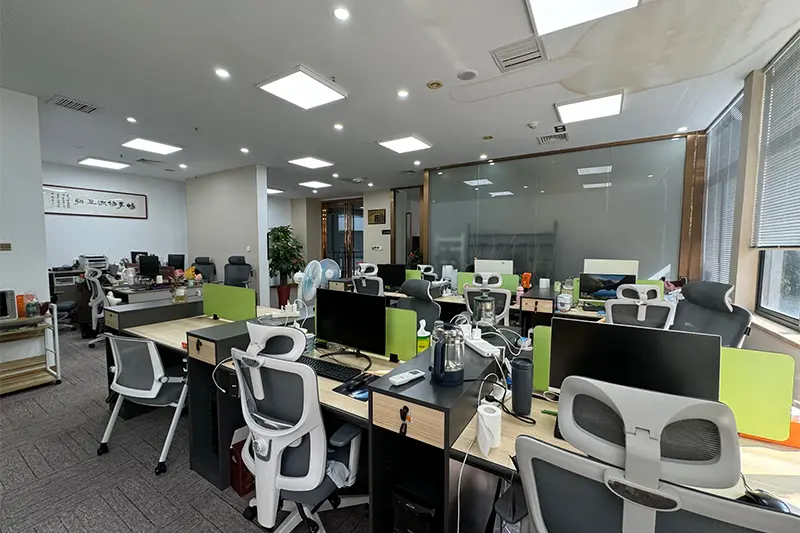
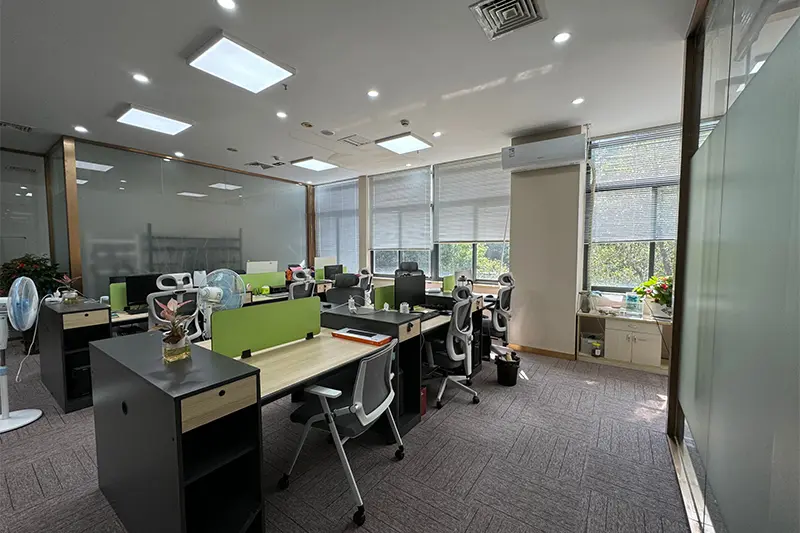
Founded in 2015, Trackingeyes is a leading global provider of end-to-end logistics tracking and supply chain visualization solutions. With a founding team boasting over ten years of logistics expertise, we deeply understand industry pain points. We specialize in global end-to-end cargo tracking by sea and air, serving thousands of import and export enterprises worldwide.
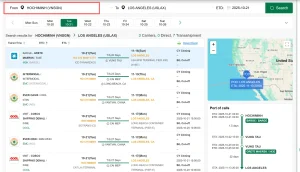
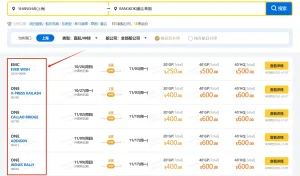
Our platform achieves full-chain data coverage from the source to the terminal through the collection and aggregation of data sources, including logistics information from various data sources such as stations, terminals, customs, shipping companies, and airlines. Through the Trackingeyes’ Platform, customers can quickly connect with hundreds of global data sources, greatly improving the efficiency and intelligence of logistics tracking.

How we leverage multi-source data fusion and predictive algorithms to deliver unmatched cargo visibility.
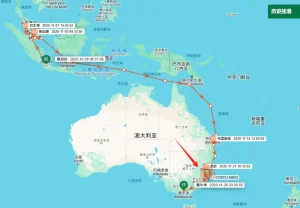
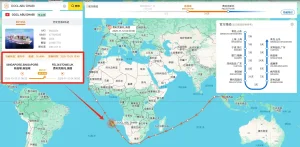
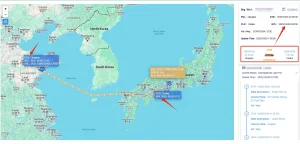
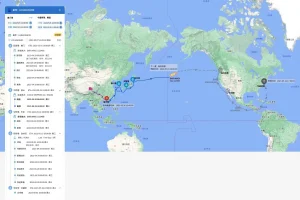
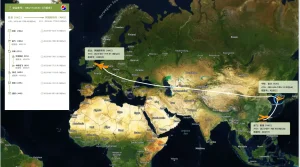
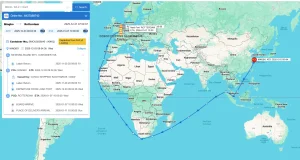
We aggregate real-time terrestrial and satellite AIS signals to track vessel positions globally, ensuring accurate location updates even in the middle of the ocean.
Our machine learning models analyze historical port congestion, weather patterns, and vessel speeds to predict ETAs with up to 95% accuracy, reducing demurrage risks.
Seamlessly feed tracking milestones directly into your SAP, Oracle, or proprietary ERP systems via our robust RESTful APIs and real-time webhooks.
In today's volatile global trade environment, visibility is no longer a luxury—it is a core operational requirement. Shippers, manufacturers, and freight forwarders face unprecedented challenges, from geopolitical tensions and canal bottlenecks to port labor disputes and unpredictable weather events. Traditional tracking methods, which rely on manual container status checks on carrier websites, are no longer sufficient. This whitepaper explores how modern, automated sea freight tracking services mitigate risks, reduce costs, and build resilient supply chains.
For decades, the logistics industry relied on EDI (Electronic Data Interchange) messages from ocean carriers to update cargo status. While EDI served its purpose, it has significant limitations: it is batch-processed, often delayed by 12 to 24 hours, and prone to data gaps. Furthermore, carrier-provided Estimated Times of Arrival (ETAs) are notoriously unreliable, as they do not account for real-time port congestion, slow-steaming practices, or transshipment delays. This lack of real-time visibility leads to high demurrage and detention fees, inefficient warehouse labor scheduling, and dissatisfied end customers.
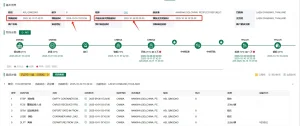
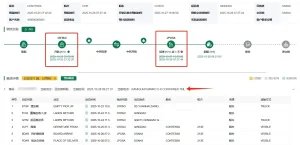
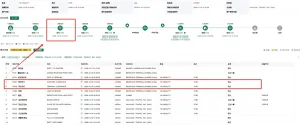
To overcome these limitations, Trackingeyes utilizes a multi-source data fusion model. By combining satellite and terrestrial Automatic Identification System (AIS) vessel tracking data with terminal operating system (TOS) updates, customs clearance events, and carrier schedules, we create a single, unified source of truth. This approach allows us to track not just the vessel, but the container itself, providing milestones such as "Container Discharged," "Gate Out," and "Empty Return" in real-time.
The future of sea freight tracking lies in the integration of IoT (Internet of Things) sensors and advanced predictive analytics. Over the next five years, we expect to see:
As China transitions to "Factory 4.0," manufacturers are integrating tracking APIs directly into their production planning systems. By knowing the exact location of incoming raw materials and outgoing finished goods, factories can implement Just-In-Time (JIT) manufacturing processes, reduce safety stock levels, and optimize container loading schedules. This tight integration between production and logistics is a key competitive advantage for Chinese exporters and their global buyers.
Different industries have unique tracking requirements. Our platform offers tailored solutions for:
Operating globally requires compliance with regional data privacy laws (such as GDPR and CCPA) and integration with local customs authorities. Trackingeyes ensures data security through end-to-end encryption and hosts data in regional cloud centers to comply with local data residency requirements. Our support team operates 24/7 across multiple time zones, providing localized assistance in English, Mandarin, and Spanish.
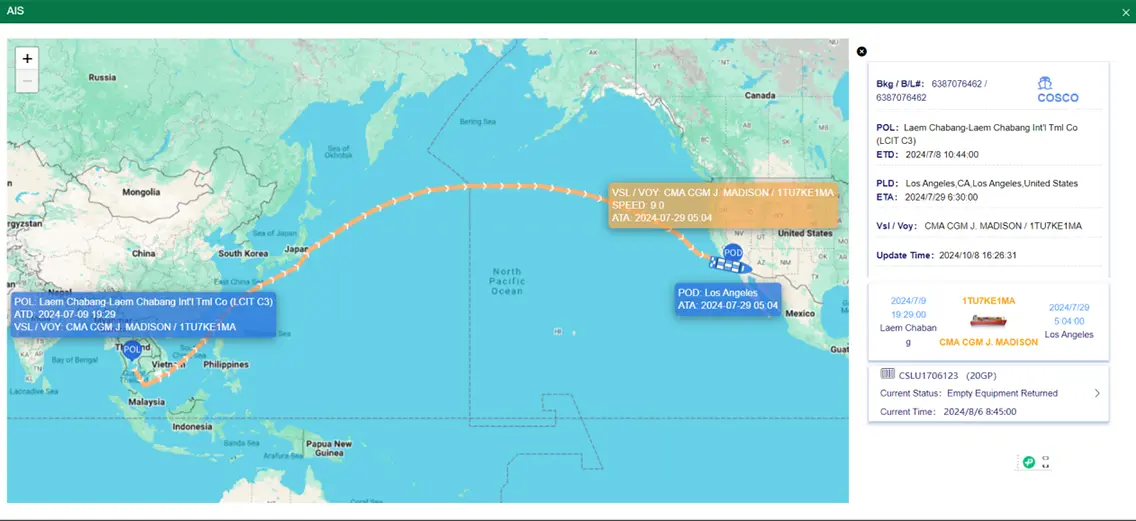
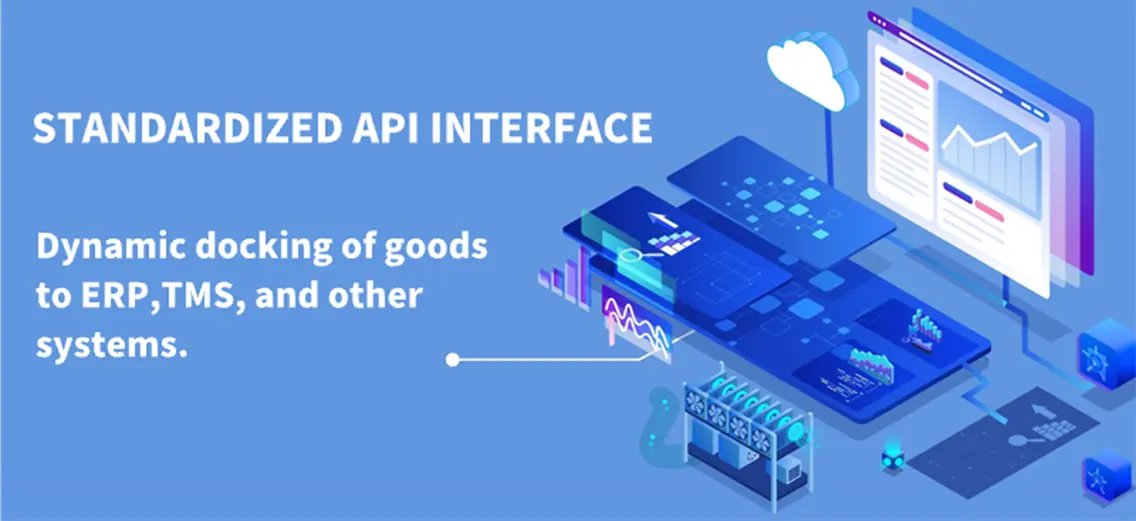
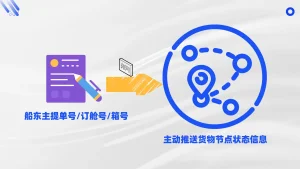
Through API interface integration, the dynamics of goods can be automatically written back to internal systems and customer service systems of the enterprise, assisting global logistics enterprises, supply chain enterprises, cross-border e-commerce enterprises, software platforms, and other enterprises to achieve more efficient and refined goods tracking management, and to do risk control and prediction in advance.
Our open API is developer-friendly, featuring comprehensive documentation, SDKs in multiple languages, and a dedicated integration support team. Whether you are upgrading a legacy ERP or building a custom supply chain control tower, Trackingeyes provides the reliable data foundation you need.
Get answers to common questions about our sea freight tracking services and technical capabilities.
Optimize your operations with our specialized APIs, vessel schedule matching, and last-mile integration tools.
 Trackingeyes