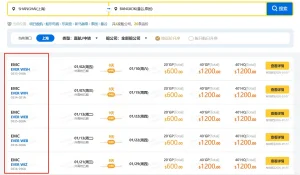
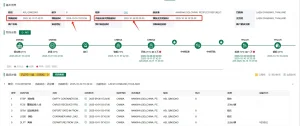
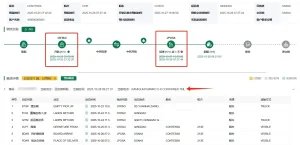
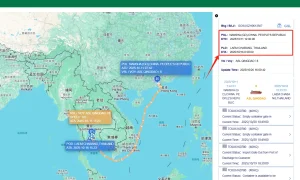
Select industrial-grade APIs and visualization tools to power global logistics architecture.
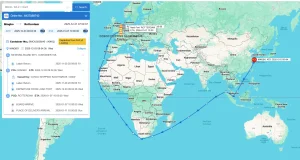
An in-depth market analysis of logistics visualization, maritime intelligence, and cross-border API systems.
Over 90% of global trade is carried by sea. The complexity of modern supply chains requires high-fidelity monitoring. Delays in port operations, variable weather, customs bottlenecks, and dynamic ocean carrier routing can translate to astronomical fines, demurrage fees, and stockouts. Global enterprise buyers require real-time position reporting of physical assets to adjust schedules, prevent inventory gaps, and plan last-mile operations.
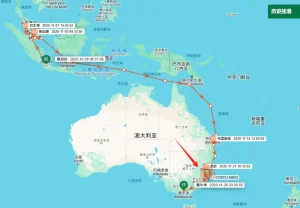
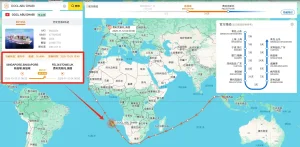
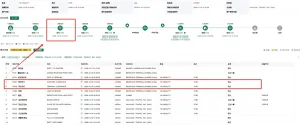
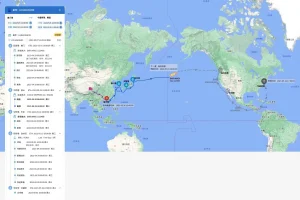
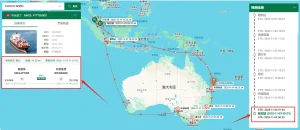
The industrial standard relies heavily on Automatic Identification System (AIS) transponders combined with carrier status reports, customs clearance EDI signals, and terminal gate activity data. By synthesizing vessel AIS with terminal status reports, our technologies eliminate the visibility gaps typical of traditional ocean cargo pipelines, ensuring logistics managers maintain visibility of container statuses on land and water.
Dynamic predictions have transitioned from simple geometric calculations to advanced machine learning modeling. Predictive algorithms process historical port congestion data, weather models, ocean currents, and carrier behavioral profiles to forecast accurate Estimated Times of Arrival (ETAs), saving shipping companies millions in inventory buffer costs.
Today, container tracking is no longer a luxury feature offered by a select few shipping lines; it is an foundational operational standard. Modern supply chain managers are shifting from retrospective milestone data (knowing a container has arrived after the fact) to real-time predictive analytics. For high-volume manufacturers, retail giants, and third-party logistics (3PL) providers, having integration access to API tracking nodes is a direct competitive driver.
Robust architecture built for precision, reliability, and worldwide scale.
Founded in 2015, Trackingeyes is a leading provider of global end-to-end logistics tracking and supply chain visualization solutions. With a founding team boasting over ten years of logistics expertise, we deeply understand industry pain points. We specialize in global end-to-end cargo tracking by sea and air, serving thousands of import and export enterprises worldwide. Our services include customizable tracking solutions and open API data interfaces to enhance supply chain visibility and operational efficiency.
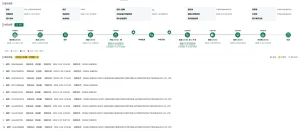
The platform achieves full chain data coverage from the source to the terminal through the collection and aggregation of data sources, including logistics information from various data sources such as stations, terminal, customs, shipping companies, and airlines. Through the Trackingeyes’ Platform, customers can quickly connect with hundreds of global data sources, greatly improving the efficiency and intelligence of logistics tracking.
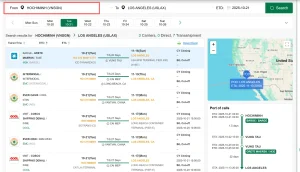
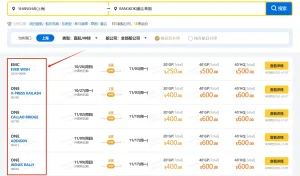
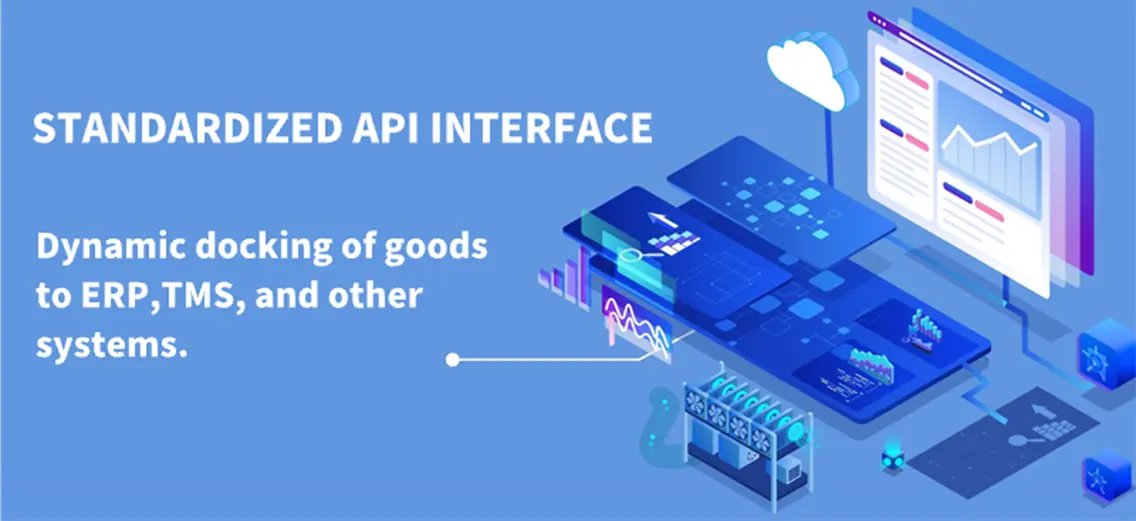
Through API interface integration, the dynamics of goods can be automatically written back to internal systems and customer service systems of the enterprise, assisting global logistics enterprises, supply chain enterprises, cross-border e-commerce enterprises, software platforms and other enterprises to achieve more efficient and refined goods tracking management, and to do risk control and prediction in advance.

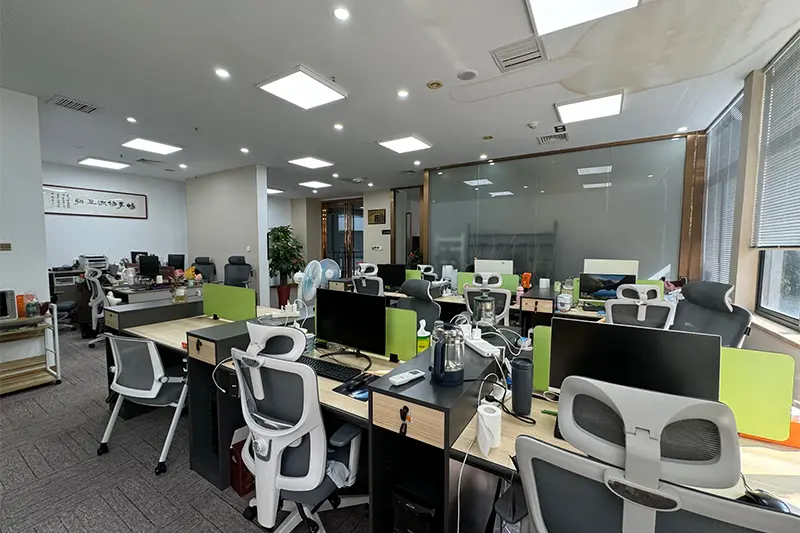
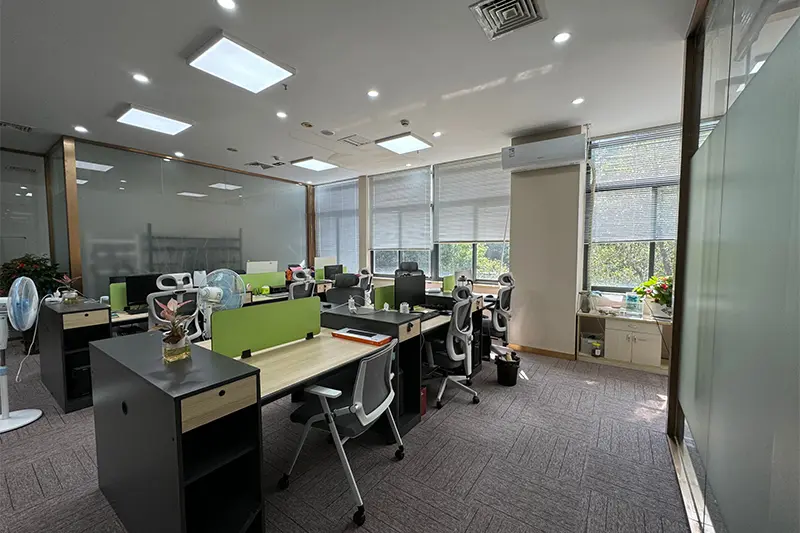
Why Chinese engineering, infrastructure, and hardware integration lead the global supply chain visibility market.
In container tracking, hardware manufacturing and software integration are intrinsically linked. Chinese production nodes lead this market segment due to concentrated industrial ecosystems, rapid prototyping capability, and deep technology integration. From robust container-mounted IoT GPS devices to enterprise cloud integration, China-based manufacturers leverage unmatched operational efficiencies.
We leverage advanced local technology and Chinese port infrastructure data networks to synthesize international data. This direct link allows us to capture early milestone events such as cargo manifest generation, customs clearance processing, and vessel departures hours before traditional carriers report them.
How regional operators utilize Trackingeyes to overcome local logistics bottlenecks.
In North America, marine cargo transitions to rail (Class I railroads) to traverse long overland distances. Trackingeyes integrates with both rail terminal data points and maritime vessel tracking to provide continuous ETA updates. This prevents demurrages and mitigates disruptions at major inland hubs like Chicago and Memphis.
The European logistics network requires navigating complex customs controls across diverse port locations. Our automated customs destination tracking helps shippers manage transitions through ports like Rotterdam, Antwerp, or Hamburg, allowing third-party logistics (3PL) partners to schedule last-mile truck dispatching efficiently.
For high-frequency trade lanes within East and Southeast Asia, timing is critical. E-commerce platforms and electronics companies utilize Trackingeyes API links to synchronize dynamic schedules. This automation ensures parts arrive just-in-time for assembly, minimizing warehouse space and associated overhead costs.
Procuring container tracking hardware and software requires balancing data accuracy, integration capabilities, and cost efficiency. Modern enterprise procurement teams prioritize three core metrics when sourcing tracking manufacturers:
The container tracking ecosystem is evolving from simple location reporting into predictive and prescriptive action engines:
Get expert insights into ocean container tracking technology, integration, and procurement.
Select industrial-grade APIs and visualization tools to power global logistics architecture.
Unlock access to high-fidelity container location updates, AI-driven ETA predictions, and seamless API integrations designed for modern supply chain management.
Request API Demo Trackingeyes