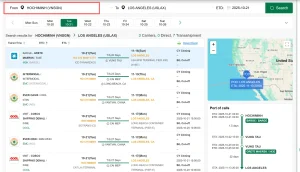
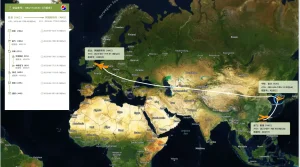
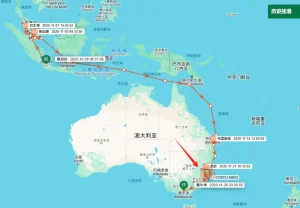
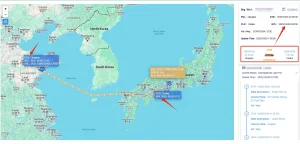
Seamless integration with ocean freight carrier systems to automate document handshakes, track real-time container dispatch, and mitigate operational risks.
In the global maritime supply chain, the Bill of Lading (B/L) Cutoff represents one of the most critical regulatory and administrative boundaries. It refers to the final deadline by which shippers must submit comprehensive and accurate shipping instructions (SI) to the ocean carrier. The carrier uses these details to draft the Master Bill of Lading and compile the manifest files required by destination customs authorities, such as the United States' Automated Manifest System (AMS) and Importer Security Filing (ISF) or Europe's Import Control System (ICS2).
Failure to hit the B/L cutoff has cascading consequences. Once a cutoff window closes, carriers are prohibited by international safety and customs frameworks from loading cargo whose manifests are incomplete or unverified. Consequently, containers are flagged at the gates, left sitting in the terminal yard, or "rolled" to the next scheduled sailing. Shippers face steep penalties, extra container yard handling costs (demurrage), and long delays that ripple across downstream assembly lines and distribution networks.
By shifting from manual documentation to an automated API-driven tracking system, companies can turn compliance risks into a competitive advantage. Ensuring perfect synchronization between terminal gate-in times, Verified Gross Mass (VGM) declarations, and the final B/L cutoff ensures cargo flows smoothly and avoid costly delays.
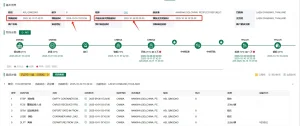
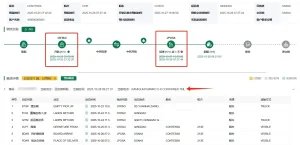
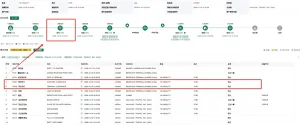
Mapping the critical milestones leading up to vessel departure and showing where mistakes are made.
Shipper secures cargo space, generates booking confirmation, and shares loading schedules with the local manufacturer. Empty container pickup is scheduled.
The packed container is weighed to ensure compliance with the SOLAS convention. Container is gate-in at terminal. The VGM must be registered before the VGM Cutoff to avoid gate refusal.
Critical Risk Zone: Final shipping instructions must be received by the carrier. Any mismatch in product description, seal numbers, or consignee details will block B/L release and cause immediate cargo rolling.
Vessel sets sail. The final manifest data is locked, and ocean carrier transmits the Bill of Lading to the consignee to start the customs clearance process at destination.
How Chinese manufacturing hubs use supply chain ecosystems to prevent documentation delays.
Major Chinese industrial regions (Pearl River Delta, Yangtze River Delta) sit next to the world's most advanced automated terminals like Shanghai, Ningbo-Zhoushan, and Shenzhen. These ports use shared digital networks to sync container gate-in data with carrier systems instantly, leaving no room for manual errors.
Export factories in China work with highly automated freight forwarding agencies. These agents are directly connected to China customs' Single Window systems. This allows them to quickly process declaration details and clear discrepancies before the carrier's B/L cutoff window closes.
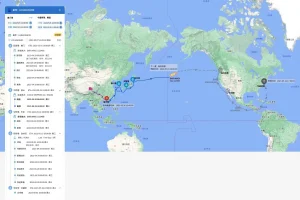
Leading Chinese manufacturers are replacing old manual reporting with automated API networks. By connecting their ERPs directly with third-party tracking APIs like Trackingeyes, factories get real-time sailing updates, auto-calculate loading schedules, and prevent last-minute rushes that lead to manifest errors.
By leveraging automated integrations and real-time tracking engines, importers and exporters can eliminate manual updates and protect their cargo schedules from port disruptions.
The shift toward paperless, automated, and predictive document workflows.
Led by the DCSA (Digital Container Shipping Association), major shipping lines are working toward 100% electronic B/L adoption by 2030. Using secure online platforms removes the risk of losing paper documents, cuts down transfer times, and aligns document checkouts with gate-in schedules automatically.
Instead of simply tracking current progress, modern ERPs use predictive AI models to calculate the risk of cargo delays. These algorithms analyze port congestion, weather patterns, and historical loading times to alert logistics teams when a cutoff window is at risk.
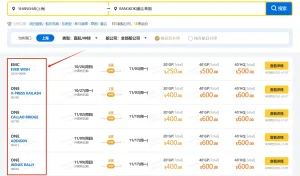
Fragmented supply chains are merging into unified portals. Real-time data streams from warehouses, carriers, and customs are brought together in central command centers. This enables teams to coordinate freight rate matching and document verification in a single dashboard.
How manufacturers and global enterprises resolve documentation delays across different lanes.
Automotive assembly plants run on strict timelines. A single day's delay due to a missed customs cutoff can halt operations and cost thousands of dollars per minute.
The Solution: By connecting real-time AIS monitoring with supplier portals, automotive OEMs get early alerts when port congestion changes gate-in schedules. This lets dispatchers adjust truck arrivals to match changes in cutoffs.
High-value electronics exports must comply with strict trade and security rules, requiring precise AMS/ISF filing. Documentation errors often trigger manual inspection delays at destination ports.
The Solution: Linking the manufacturer's ERP with our automated shipping tracking system ensures document details match actual container numbers. This keeps security filings aligned with B/L cutoffs and speeds up customs clearance.
FMCG importers handle thousands of active shipments. Sifting through carrier websites to track shipping instruction deadlines creates errors and manual bottlenecks.
The Solution: Deploying a multi-carrier ETA management API consolidates cutoff deadlines and shipping updates into a single logistics dashboard. This enables logistics managers to focus only on critical delay risks.
3PL service providers need to deliver reliable tracking updates to their clients. Relying on manual emails to share ETA status reduces service quality and customer satisfaction.
The Solution: By integrating automated tracking APIs directly into client-facing platforms, 3PLs provide real-time updates and proactive alerts. This builds customer trust and reduces tracking-related support tickets.
Pioneering global end-to-end logistics tracking and supply chain visualization solutions since 2015.
Founded in 2015, Trackingeyes is a leading provider of global end-to-end logistics tracking and supply chain visualization solutions. With a founding team boasting over ten years of logistics expertise, we deeply understand industry pain points. We specialize in global end-to-end cargo tracking by sea and air, serving thousands of import and export enterprises worldwide. Our services include customizable tracking solutions and open API data interfaces to enhance supply chain visibility and operational efficiency.
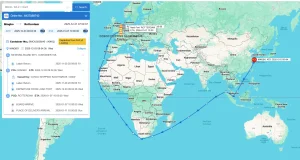
The platform achieves full chain data coverage from the source to the terminal through the collection and aggregation of data sources, including logistics information from various data sources such as stations, terminal, customs, shipping companies, and airlines. Through the Trackingeyes’ Platform, customers can quickly connect with hundreds of global data sources, greatly improving the efficiency and intelligence of logistics tracking.



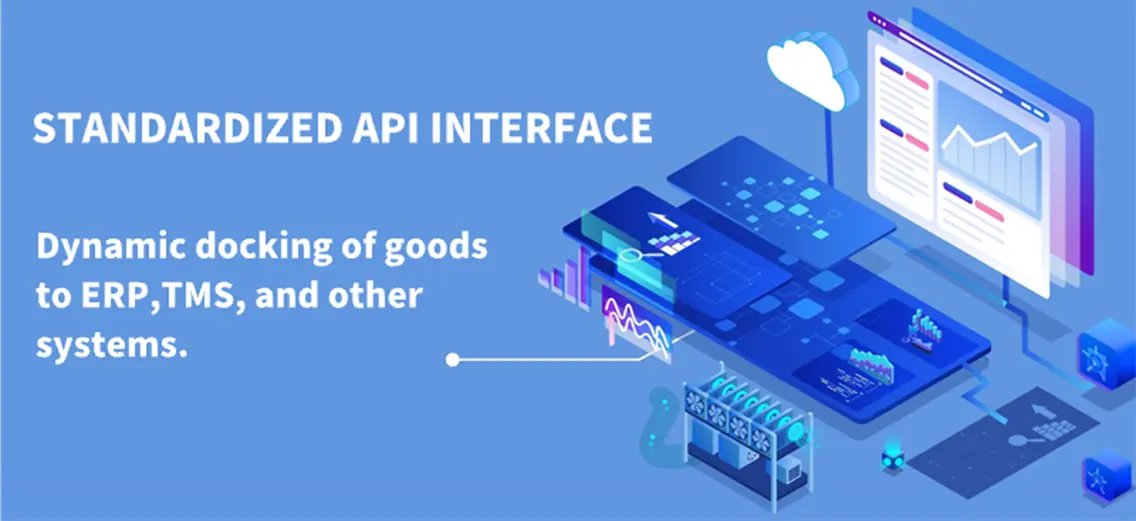
"Through API interface integration, the dynamics of goods can be automatically written back to internal systems and customer service systems of the enterprise, assisting global logistics enterprises, supply chain enterprises, cross-border e-commerce enterprises, software platforms and other enterprises to achieve more efficient and refined goods tracking management, and to do risk control and prediction in advance."
Unlock end-to-end visibility with our trusted tracking platform. We bring proven reliability to both ocean and air cargo tracking, giving you the accurate data and control needed to streamline operations from port to runway.
Our platforms are optimized for enterprise-scale integration. By unifying milestone data points, we help businesses transition from manual data chasing to proactive management.
Expert answers to common queries regarding marine documentation compliance, schedules, and APIs.
Although related, these three terms refer to different deadlines:
1. B/L Cutoff (or SI Cutoff): The final deadline to submit the Shipping Instructions (SI) to the carrier to generate the draft Bill of Lading.
2. CY Cutoff (Container Yard Cutoff): The deadline by which the loaded physical container must be delivered and gated into the terminal yard.
3. VGM Cutoff (Verified Gross Mass): The deadline to submit the certified weight of the container, as required by the SOLAS convention. Missing this deadline means the container cannot be loaded onto the vessel.
If the B/L cutoff is missed, the carrier cannot transmit the container manifest to customs authorities in time. As a result, the container will be rolled to the next available sailing. Shippers face penalties, demurrage fees for storage inside the terminal, and extra handling costs, along with delays to their delivery schedules.
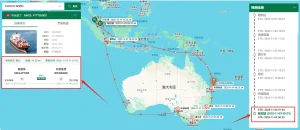
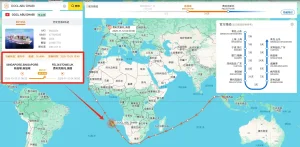
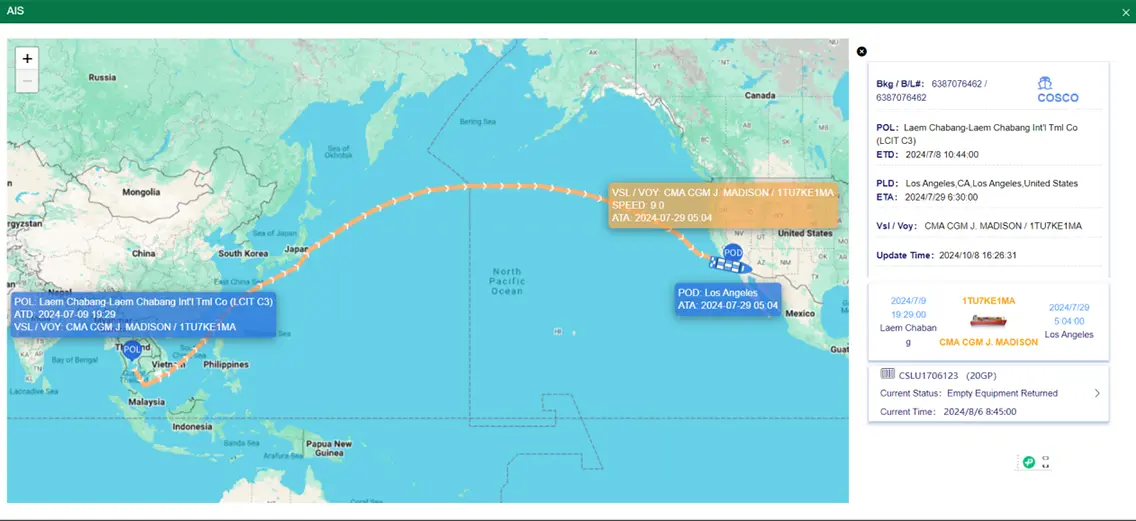
Carriers often adjust vessel schedules and cutoff times due to port congestion, bad weather, or dynamic routing. AIS container tracking systems monitor vessel locations and alert logistics teams to schedule changes, allowing them to adjust documentation workflows and avoid missing cutoff windows.
Yes. Trackingeyes provides open API interfaces designed for seamless integration. You can connect our real-time ocean and air tracking data directly into systems like SAP, Oracle, or custom ERPs. This automates status updates and removes the need for manual tracking.
Once a container arrives at the destination port, our system shares customs release and gate-out statuses with local delivery networks. This enables early planning for warehousing and trucking, reducing demurrage risks and accelerating the final delivery to the consignee.
Maximize logistics efficiency with automated AIS tracking databases and ERP data integrations.
Integrate our ocean tracking systems and predictive AI APIs into your ERP today. Stop chasing documentation errors and start automating compliance.
Get Started & Integration Guide Trackingeyes