Direct manufacturer-grade digital tracking instruments, API bridges, and prediction models built for high-performance supply chain ecosystems.
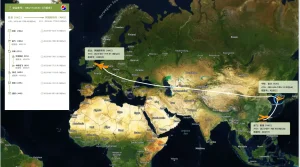
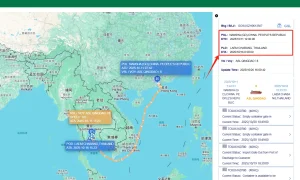
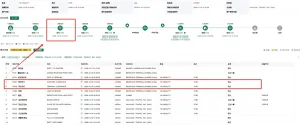
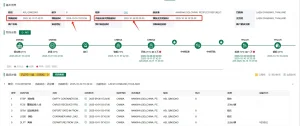
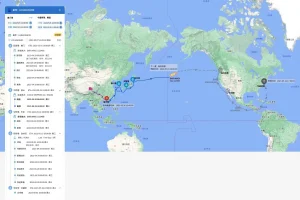
In the modern hyper-connected manufacturing landscape, logistics operations represent a high-stakes arena where minutes translate directly to balance sheet metrics. Global enterprise procurement agents, cross-border supply chain operations, and large-scale industrial distribution corporations no longer view track-and-trace as a value-added service; it is a baseline technological imperative.
The shift from passive, reactive milestones to active, predictive airfreight tracking stems from severe market vulnerabilities: regional customs processing backlogs, unexpected micro-climate variations inside airplane cargo bays, and aircraft scheduling delays. Procurement officers now aggressively search for wholesale manufacturers who can provide standardized APIs, deep platform integrations, and telemetry options.
Enterprise procurement demands continuous monitoring of physical parameters. High-value electronics, biological products, and sensitive defense material require real-time tracking of temperature, relative humidity, multi-axis shock, and sudden light exposures within the Unit Load Device (ULD).
Procuring entities require seamless RESTful API endpoints that interface cleanly with legacy ERP systems (such as SAP HANA, Oracle Cloud, and Microsoft Dynamics 365). Compliance with enterprise-grade cybersecurity standards, SOC 2 Type II compliance, and robust end-to-end data encryption is non-negotiable.
Bridging global transport systems through intelligent data processing, multi-source ingestion, and automated tracking architectures.
We aggregate telemetry data from active ADS-B transponders, airport ground handling systems, regional airline carrier systems, and commercial flight schedule databanks. This dynamic combination eliminates the single-source failure mode commonly found in basic tracker networks.
Leveraging specialized algorithms, our platform recalculates destination arrival times dynamically. By analyzing en-route weather severity, departure airport queue density, and historical ground handling performance at destination ports, we produce actionable ETAs that prevent destination logistics failures.
By connecting directly to international customs networks, our system detects cargo-cleared states the instant they occur. This structural link allows logistics companies to schedule local delivery vehicles instantly, cutting warehouse delay penalties and keeping transit times low.
A detailed view of how we develop, scale, and integrate next-generation tracking technologies into the global supply chain.
The technical future of global transport visibility is moving away from static milestone notifications (e.g., "Departed Origin Airport") and shifting toward continuous, sensor-driven visual models. Our development roadmap focuses on building a unified tracking structure where software layers and active IoT hardware cooperate seamlessly.
By integrating Bluetooth Low Energy (BLE) sensors within individual cargo boxes and linking them to a central, cellular/satellite-equipped gateway device on the aircraft container (ULD), we provide continuous tracking inside the fuselage. This system feeds into our core cloud platforms, giving you granular access to your shipment's route, condition, and status.
Looking ahead, we are incorporating decentralized cryptographic ledgers to support secure data sharing between independent custom agencies, shipping lines, and airlines. This ensures complete data integrity, makes fraud impossible, and guarantees that our records are accepted as legally binding proof of shipment condition at delivery.
| Development Phase | Core System Capability | Technological Focus | Deployment Timeline |
|---|---|---|---|
| Phase 1: API Consolidation | Multi-carrier airline e-AWB ingestion & basic geofencing. | RESTful API integration, Carrier API schema normalization. | Completed & Operational |
| Phase 2: IoT Sensor Fusion | Continuous sensor feeds (temp, humidity, light, shock). | BLE tag networks, ULD-mounted gateway devices, cellular tracking. | Current Deployment |
| Phase 3: Machine Learning ETA | AI-driven predictive analytics for flight path delays. | ADS-B telemetry, historic airport congestion models, weather mapping. | Q3 - Q4 Integration |
| Phase 4: Decentralized Custody | Secured ledger updates for cross-carrier custody validation. | Immutable transaction storage, shared verification protocols. | Future Roadmap |
Today's industrial distribution channels face intense volatility. Supply chains are challenged by shifting airspace regulations, regional airport congestion, and complex global trade rules. To manage these risks, leading manufacturers require absolute tracking visibility across their networks.
From high-tech assembly lines in East Asia to automotive facilities in Germany and distribution centers in North America, keeping supply chains synchronized requires accurate data. Our tracking solutions provide this data, giving you the real-time insights needed to manage delays, adjust production schedules, and keep goods moving smoothly.
With Trackingeyes, organizations can shift from reactive troubleshooting to proactive planning. Real-time airfreight monitoring helps minimize demurrage charges, prevent plant closures, and ensure high-value shipments arrive under optimal conditions.
Ensuring global accessibility, data sovereignty, and compliance with international transport standards.
Our infrastructure complies with global privacy standards, including GDPR in Europe, CCPA in California, and national data handling laws in China. We offer options to store tracking data in specific regions to meet local sovereignty rules.
We align our tracking architecture with IATA Cargo XML frameworks and Cargo iQ logistics quality standards. This ensures compatibility with the standard messages and documents used by major global air carriers.
Logistics operations run continuously, and so does our support. We provide 24/7 technical assistance through regional service desks to resolve integration questions and maintain continuous system operations.
Founded in 2015, Trackingeyes is a leading provider of global end-to-end logistics tracking and supply chain visualization solutions. With a founding team boasting over ten years of logistics expertise, we deeply understand industry pain points. We specialize in global end-to-end cargo tracking by sea and air, serving thousands of import and export enterprises worldwide. Our services include customizable tracking solutions and open API data interfaces to enhance supply chain visibility and operational efficiency.
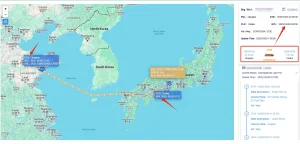
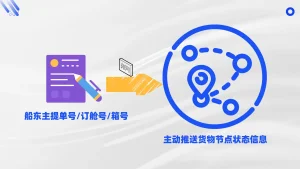
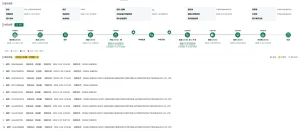
The platform achieves full chain data coverage from the source to the terminal through the collection and aggregation of data sources, including logistics information from various data sources such as stations, terminal, customs, shipping companies, and airlines. Through the Trackingeyes’ Platform, customers can quickly connect with hundreds of global data sources, greatly improving the efficiency and intelligence of logistics tracking.
Unlock end-to-end visibility with our trusted tracking platform. We bring proven reliability to both ocean and air cargo tracking, giving you the accurate data and control needed to streamline operations from port to runway.



"Through API interface integration, the dynamics of goods can be automatically written back to internal systems and customer service systems of the enterprise, assisting global logistics enterprises, supply chain enterprises, cross-border e-commerce enterprises, software platforms and other enterprises to achieve more efficient and refined goods tracking management, and to do risk control and prediction in advance."
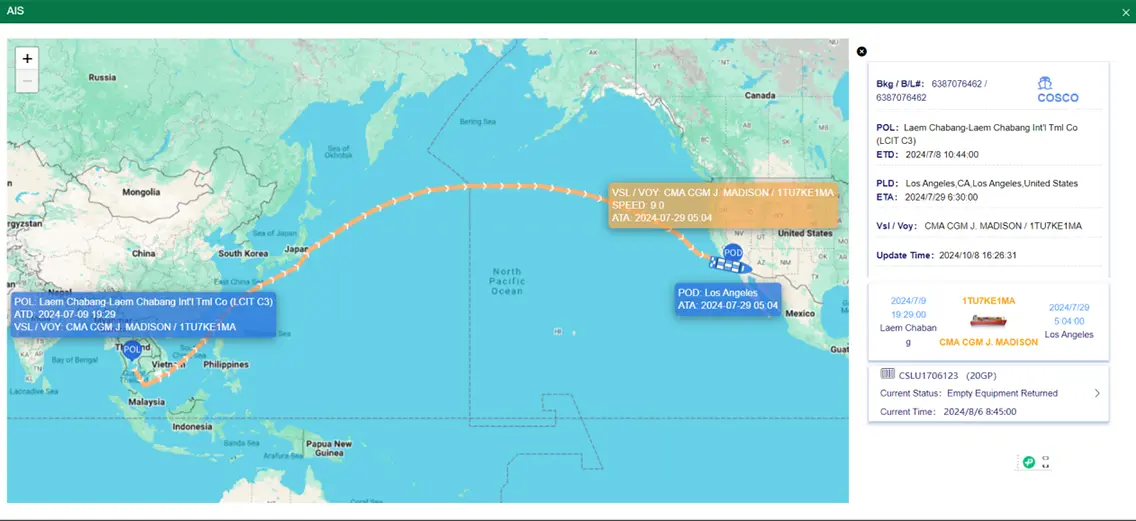
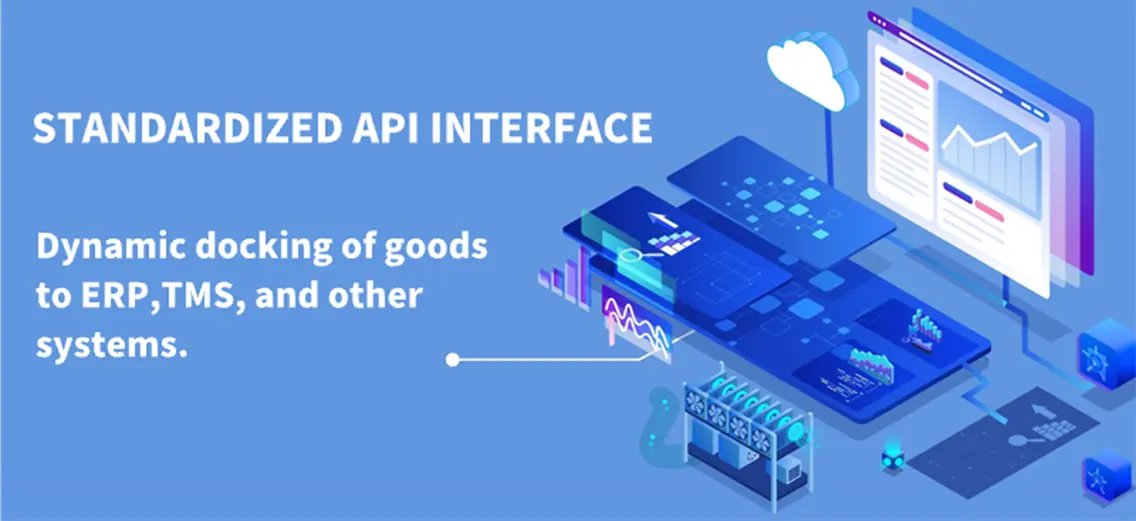
By linking directly with cargo ground crews and airfield flight coordinators, our platform updates tracking statuses as events occur. This reduces communication delays and keeps your operations updated from origin warehouse to the final destination port.
Contact Our Technical TeamExpert insights into common technical questions, integration workflows, and device management strategies.
We merge standard carrier messaging (such as EDI and Cargo-XML status updates) with active flight telemetry from sources like ADS-B networks and airport flight coordinators. This approach allows us to correct inaccuracies in airline-provided estimates and deliver reliable tracking status updates.
Our API endpoints refresh at different rates based on flight phase. While en route, we capture updates every 5 to 15 minutes via flight paths. During ground operations, including customs and sorting, events trigger immediate updates through our webhooks.
Yes, our software works with active, FAA-approved tracking hardware. The platform records sensor readings, including temperature, humidity, and shock forces, and maps them to your shipment record to verify transit conditions.
Our JSON-based RESTful API integrates with major ERP systems, including SAP, Oracle, and Microsoft Dynamics. We provide complete developer documentation, sandbox environments, and test credentials to support rapid integration.
We interface directly with customs data networks, including Europe's ICS2 and North American broker systems. This allows our platform to capture customs clearance events, document releases, and inspection holds, helping you avoid destination delays.
All hardware devices supplied by Trackingeyes comply with major aviation safety guidelines. They feature automatic flight-mode shutoffs, FCC certification, CE certification, and DO-160 testing validation to ensure safe operation.
We secure all data transiting our platforms using SSL/TLS encryption for data in motion, along with AES-256 encryption for data at rest. Access controls follow role-based permissions and token authentication protocols to protect your shipping information.
Yes, our tracking software supports multi-modal logistics. Users can track air cargo, ocean shipping containers, and overland rail transport within a single, integrated platform.
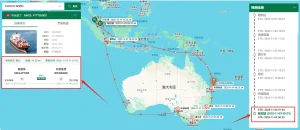
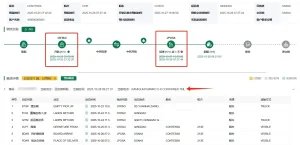
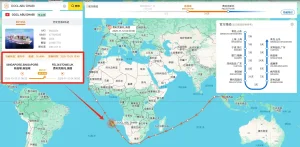
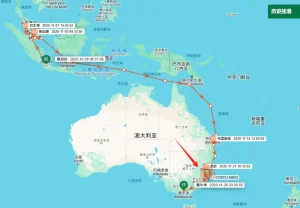
Comprehensive fleet monitoring, AIS vessel tracking, and destination cargo assurance systems designed for global distribution networks.
 Trackingeyes