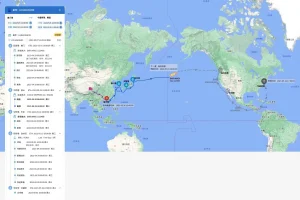
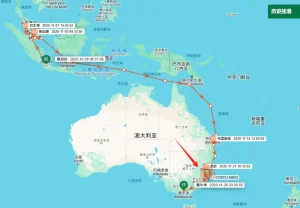
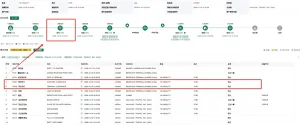
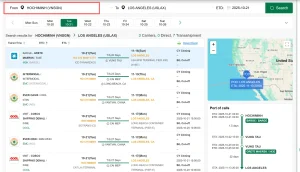
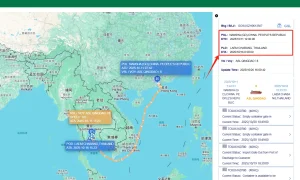
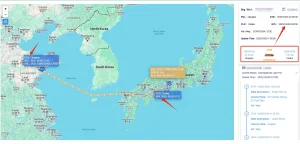
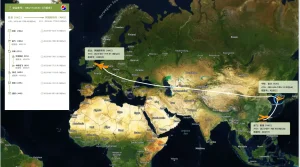
Explore our primary real-time tracking engines and vessel APIs configured to optimize cross-border routes, ETA margins, and freight schedules.
How dynamic API visualization and semantic search criteria are replacing manual milestone tracking to prevent supply chain bottlenecks.
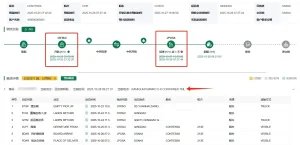
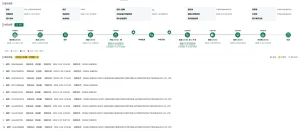
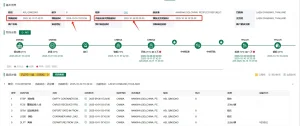
In high-velocity commerce, relying strictly on traditional Air Waybill (AWB) lookups via single-carrier portals creates structural blind spots. Enterprise logistics platforms require automated API integration that standardizes messaging protocols across hundreds of carriers. This architecture translates raw telemetry and EDI signals into actionable milestones, including Cargo Received from Shipper (RCS), Departed on Flight (DEP), and Received from Flight (RCF).
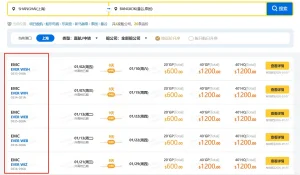
Wholesale logistics procurement requires instant access to accurate cargo weight parameters, dimensional factors, and active schedules. Integrated tracking systems provide empirical performance metrics of specific carriers and routes, enabling buyers to benchmark transit times, minimize customs delays, and secure competitive shipping quotes based on actual carrier reliability data.
Securing global transshipment pipelines through localized compliance monitoring and advanced civil aviation data matching.
Air cargo compliance goes far beyond regional airport routing. Integrated supply chain visibility platforms must adapt to regional and international mandates such as the US Customs and Border Protection (CBP) Air Cargo Advance Screening (ACAS), the European Union’s Import Control System 2 (ICS2), and similar customs validation frameworks. High-reliability tracking interfaces integrate with automated customs brokers to flags potential holds, allowing logistics managers to preempt cargo detention at port of entry.
For high-value, sensitive air freight—including bio-pharmaceuticals, lithium batteries, and dangerous goods (DG)—environmental and safety compliance is critical. Modern monitoring tags transmit real-time telemetry (ambient temperature, humidity, shock, and pressure) via IoT cellular or Bluetooth sensors. The central tracking engine registers these fluctuations against international standards (such as IATA CEIV Pharma guidelines) to prevent inventory degradation and liability issues.
Compliance Insight: "Standardizing milestone telemetry enables multi-jurisdictional compliance checks. An early alert triggered when a vessel reaches European custom zones saves an average of 14 hours in processing and documentation corrections."
Why the integration of advanced localized tracking nodes with China's manufacturing clusters is redefining global distribution strategies.
China's industrial architecture relies on tight integration between manufacturing zones (like the Greater Bay Area, Yangtze River Delta, and Chengdu-Chongqing corridor) and major international air freight hubs. Having access to high-velocity shipping lanes from airports like Guangzhou Baiyun (CAN), Shenzhen Bao'an (SZX), and Shanghai Pudong (PVG) allows manufacturers to move goods from assembly lines to international cargo holds in under 24 hours.
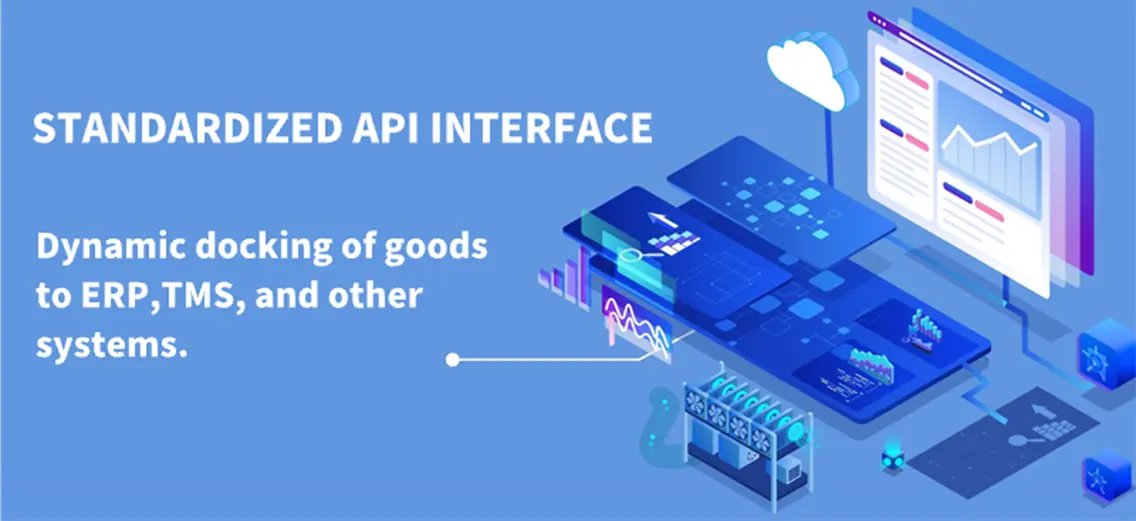
A key advantage of tracking solutions built for China's supply chains is their native integration with domestic Enterprise Resource Planning (ERP) systems (such as Kingdee, Yonyou) and international TMS architectures. By feeding live status updates directly into internal order fulfillment systems, manufacturers can keep clients informed on assembly status, customs clearance, and actual flight departures without manually checking carrier websites.
Learn about our foundational expertise and track record of delivering end-to-end logistics visualization tools to thousands of enterprises globally.
Founded in 2015, Trackingeyes is a leading provider of global end-to-end logistics tracking and supply chain visualization solutions. With a founding team boasting over ten years of logistics expertise, we deeply understand industry pain points. We specialize in global end-to-end cargo tracking by sea and air, serving thousands of import and export enterprises worldwide. Our services include customizable tracking solutions and open API data interfaces to enhance supply chain visibility and operational efficiency.



The platform achieves full chain data coverage from the source to the terminal through the collection and aggregation of data sources, including logistics information from various data sources such as stations, terminal, customs, shipping companies, and airlines. Through the Trackingeyes’ Platform, customers can quickly connect with hundreds of global data sources, greatly improving the efficiency and intelligence of logistics tracking.
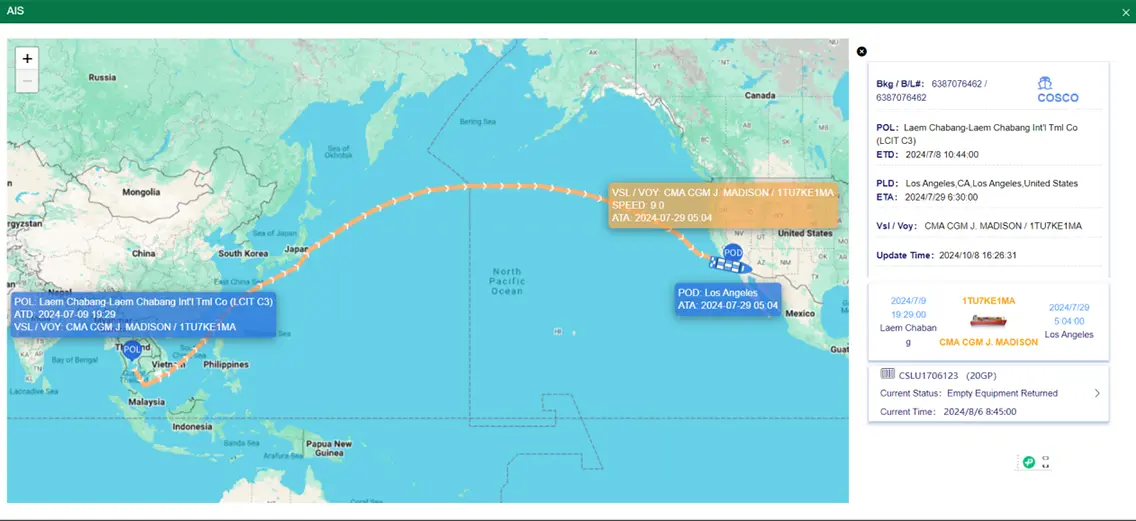
Solving visibility challenges and optimizing operational efficiency for large-scale global importers.
Large enterprises work with dozens of freight forwarders and air carriers. Without a centralized tracking standard, teams waste time logging into different portals to copy and paste cargo statuses. By consolidating tracking APIs into a single dashboard, logistics teams can monitor all active shipments, standardize milestone events, and automatically flag exceptions based on their specific service level agreements (SLAs).
Unforeseen transit interruptions—such as airport congestion, labor disputes, or winter weather—can quickly disrupt production runs. Predictive analytics models help logistics managers monitor historical routing data, run simulate schedules, and predict delays before cargo is even tendered to the airline. This predictive foresight enables businesses to reroute critical components to alternative gateways and keep operations running smoothly.
Where global logistics visualization is heading over the next five years.
The air freight industry is shifting from legacy cargo XML messaging systems toward the IATA ONE Record standard. This new framework creates a single, collaborative view of shipment records via secured web APIs. Our tracking tools are designed to support this evolution, offering standard data models that make it easy for airlines, ground handlers, and consignees to share critical logistics milestones securely.
Standard airline schedule updates don't account for ground handling backlogs, customs holds, or terminal congestion. Advanced ETA tracking engines analyze millions of historic flights, live airport capacity levels, and weather patterns to generate highly accurate predictive landing times. These insights help supply chain managers optimize warehouse scheduling and plan last-mile delivery teams more efficiently.
How different industry sectors apply real-time tracking data to resolve day-to-day transport challenges.
In the automotive sector, a late parts shipment can halt an entire assembly line. By integrating tracking APIs with factory inventory software, production systems can automatically request expedites, check flight statuses, and prepare backup logistics options if an overseas shipment falls behind schedule.
For high-value consumer electronics shipments, cargo security and custody tracking are paramount. Real-time geo-fencing sends alerts the moment cargo leaves designated transit areas or enters secure airport zones, giving risk management teams complete oversight from factory exit to final delivery.
Common inquiries regarding wholesale air freight track and trace solutions, API integrations, and data accuracy.
Review our secondary tools covering freight rate auto-matching, destination port analysis, and customized air cargo tracking pipelines.
 Trackingeyes