In modern international B2B commerce, supply chain blind spots represent significant, avoidable operational overhead. Industry studies indicate that over 30% of global containers encounter unexpected delays during transit.
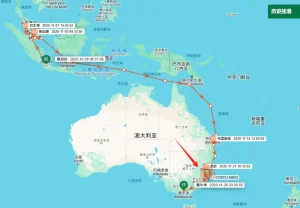
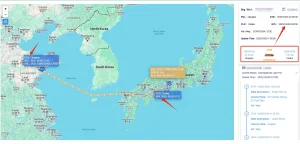
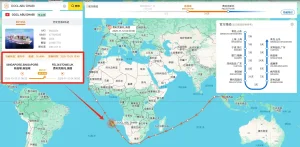
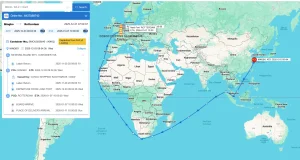
Historically, shipping milestones were dependent on manual reports from steamship lines. The 023 tracking framework shifts this dynamic by aggregating satellite AIS signals, port terminal operating systems (TOS), and customs integration directly into ERP platforms.
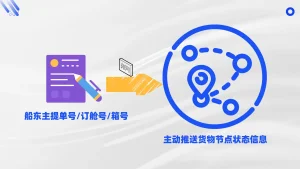
Integrate carrier-neutral sailing schedules and vessel AIS feeds directly into existing SAP, Oracle, or proprietary ERP systems. Automated Webhooks deliver event-driven updates to remove the necessity of continuous pooling API inquiries.
Our proprietary forecasting model evaluates historic oceanic lane bottlenecks, severe weather patterns, and real-time port delays. This delivers high-accuracy arrival updates, dramatically reducing destination demurrage and detention charges.
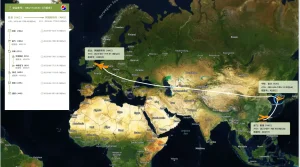
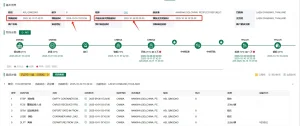
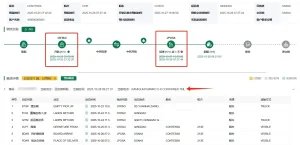
Track the movement of cargo seamlessly across ocean lanes, intermodal inland rail yards (including key North American networks), and final air-freight hops. Perfect end-to-end synchronization from manufacturer warehouse to consumer dock.
By utilizing automatic ocean-matching logic, clients report up to a 64% decrease in terminal dwell times and a virtual elimination of destination port carrier penalties.
Our platform connects directly with localized Chinese logistics hubs, marine container yards, and terminal systems. For international buyers procuring goods at scale, this direct data access offers visibility into cargo status before the vessel even leaves the harbor.
When sourcing at volume, procurement departments require strict compliance structures and cost-effective data solutions:
Moving shipping metadata across borders requires adherence to international privacy standards. Our API and database storage comply with the EU’s GDPR framework, ensuring that commercial shipment details, exporter names, and buyer addresses remain highly secure.
We actively partner with the US FMC regulations and localized custom protocols to ensure our maritime telemetrics do not violate national infrastructure policies. Security updates are deployed weekly to maintain safe connections across all API instances.
Our Global Infrastructure & Technical Capabilities


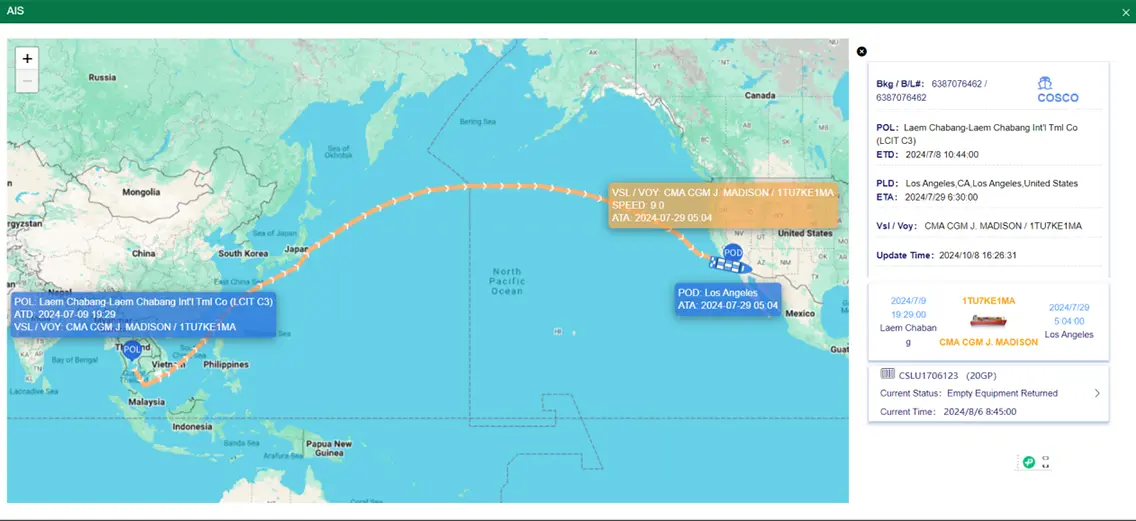
"Through API interface integration, the dynamics of goods can be automatically written back to internal systems and customer service systems of the enterprise, assisting global logistics enterprises, supply chain enterprises, cross-border e-commerce enterprises, software platforms and other enterprises to achieve more efficient and refined goods tracking management, and to do risk control and prediction in advance."
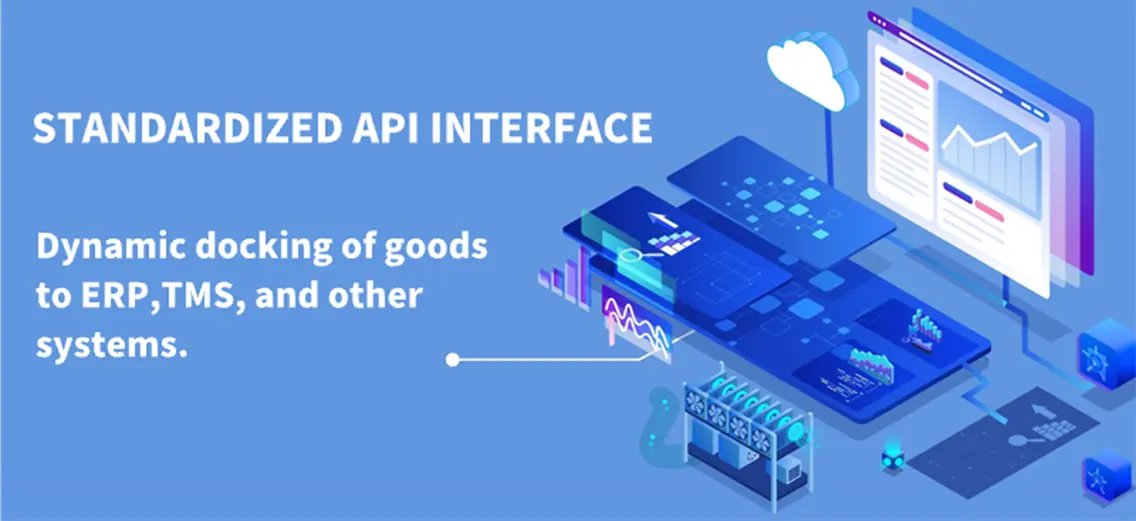
The next generation of cargo tracking software does more than report geographic coordinates. Emerging regulatory standards now require organizations to track carbon output per container-mile. By combining vessel fuel usage statistics, AIS routing speed patterns, and localized terminal waiting durations, our next-generation API outputs estimated carbon footprint scores for each container itinerary.
Furthermore, machine learning algorithms continuously train on historical trade lane data to proactively predict congestions at global transit choke points, allowing shippers to redirect air cargo or reroute intermodal shipments before they are caught in supply chain bottlenecks.
Automatic alerts trigger as soon as a container vessel enters port boundaries, bypassing standard, delayed local port agency notifications.
Continuous data updates, even across deep-ocean transit dead zones, by utilizing dual satellite tracking technology.
In the event of a carrier API outage, the system automatically redirects to terminal and customs data points to guarantee uptime.
 Trackingeyes