Select from our premium array of tracking APIs, AIS transceivers, and ERP integration modules optimized for high-performance ocean and air visibility.
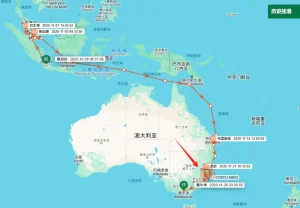
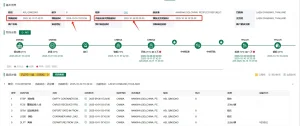
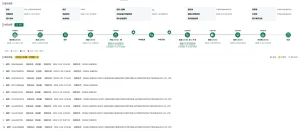
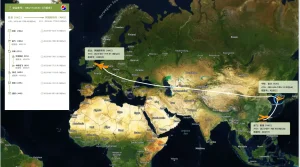
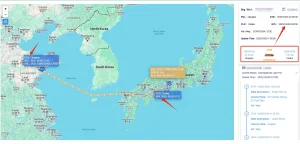
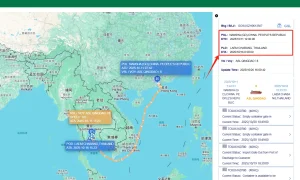
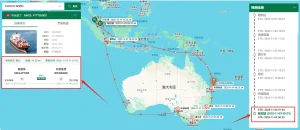
In an era marked by volatile shipping cycles, geopolitical shifts, and dynamic border policies, container visibility is no longer a luxury—it is the baseline of modern operational resilience.
Global logistics networks handle over 11 billion tons of cargo annually, yet nearly 38% of multinational shippers complain about black-box windows between cargo departures and final delivery ports. This data asymmetry drives up capital expenditure, leads to costly destination port delays, and creates massive friction for end-users. By integrating state-of-the-art Automatic Identification Systems (AIS), flight tracking APIs, and terminal operating system (TOS) connections into a single ecosystem, Trackingeyes bridges this information gap. We transform fragmented data streams into unified, structured operational intelligence, providing the visibility needed to mitigate delay penalties and keep global supply chains moving.
Founded in 2015, Trackingeyes is a leading provider of global end-to-end logistics tracking and supply chain visualization solutions.
With a founding team boasting over ten years of deep-domain logistics expertise, we thoroughly understand the structural pain points of multi-modal trade. We specialize in global, end-to-end cargo tracking across ocean shipping and air freight, serving thousands of import and export enterprises worldwide. Our core capabilities span customizable tracking platforms, automated alert systems, and high-availability open API data interfaces designed to enhance supply chain visibility and drive bottom-line operational efficiency.
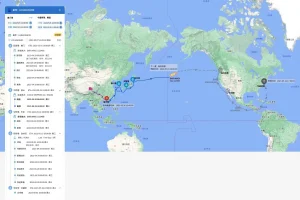
The platform achieves full-chain data coverage from origin to destination through the collection and aggregation of logistics information from various reliable nodes. This includes live tracking updates from customs networks, railway yards, airport terminals, port authorities, shipping carriers, and global AIS satellite arrays. Through the Trackingeyes Platform, customers can connect directly with hundreds of global data channels, eliminating the need to manage fragmented, non-standardized communication protocols.


China's manufacturing sector remains the bedrock of global consumer goods and industrial supply chains. The resilience of Chinese factories is not merely a consequence of high-volume production, but of dense, highly integrated supply ecosystems. These clusters enable rapid tool adjustment, parts sourcing, and localized packaging within small geographical hubs.
Because Chinese manufacturing clusters are so tightly integrated, components move from raw-material processing to final assembly in days. Real-time cargo tracking ensures this speed is not lost during transit, allowing export workflows to stay coordinated with shipping line capacities.
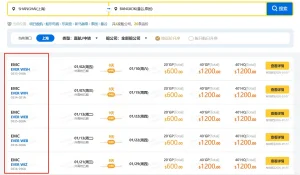
By leveraging modern terminal operations at high-throughput hubs like Shanghai, Ningbo-Zhoushan, and Shenzhen, Chinese exporters achieve rapid gate-in times. Utilizing Trackingeyes APIs allows enterprises to predict gate-in/gate-out sequences and match vessel timetables with high accuracy.
Global equipment shortages and unexpected blank sailings require proactive contingency planning. Trackingeyes provides the automated alerts and historical transit profiles that companies need to reroute components, bypass congested gateways, and secure container space.
This structural efficiency has established China as a pivotal manufacturing hub. However, maximizing this export speed requires matching physical output with digital velocity. Trackingeyes closes this loop, providing modern APIs that translate domestic warehouse departures into reliable, end-to-end global ETAs.
True operational visibility relies on seamless integration with core enterprise systems. Manual tracking updates are error-prone and fail to scale. Trackingeyes provides RESTful API endpoints and webhook streams that push real-time container and flight milestones directly into your existing ERP, TMS, or warehouse management software.

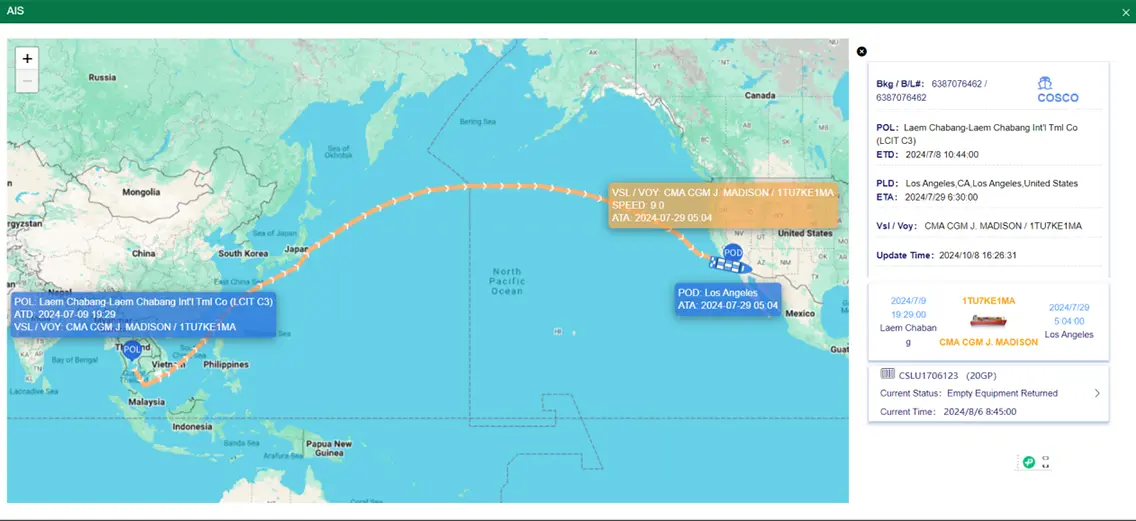
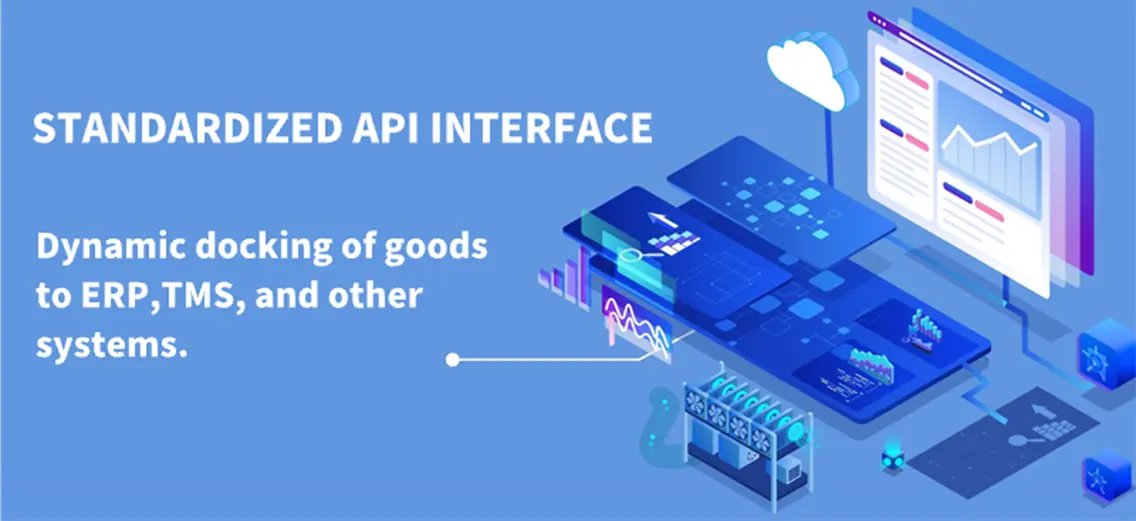
Through custom API integrations, cargo updates can be written back directly to internal databases and client-facing platforms. This helps global logistics providers, supply chain managers, cross-border e-commerce networks, and software platforms achieve more efficient, automated goods management, and implement proactive risk control measures.
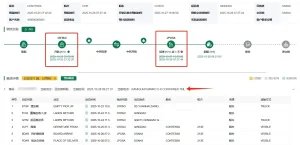
Our pipeline processes satellite AIS transmissions, flight transponder datasets, and customs feeds. When a key container milestone is reached (e.g., vessel arrival, customs clearance, gate-out at destination, or air cargo landing), our system automatically trigger webhooks. This instant data availability enables your logistics teams to organize local warehouse storage, coordinate last-mile transport, and notify customers without manual tracking lookups.
The modern global trade landscape faces constant challenges: shifting maritime alliances, labor disputes, port congestions, and weather patterns. These variables directly impact the accuracy of delivery timelines. To manage this uncertainty, shippers rely on automated, real-time cargo tracking platforms.
Inland routing across North America depends on complex transfers between major ports and Class I rail networks. Yard delays, chassis shortages, and intermodal scheduling conflicts can extend transit times by several days. By monitoring rail hubs and destination gateways, cargo owners can identify bottlenecks early, helping to avoid demurrages and detention fees.
European supply chains utilize complex combinations of ocean, short-sea, rail, and inland barges. High ocean port container density requires tight synchronization with inland logistics. Automated notifications for vessel delay shifts, customs status changes, and terminal gate activity allow logistics planners to adjust inland pick-ups and minimize warehouse processing delays.
Global logistics requires strict compliance with international security and data regulations. Operating across different regions means matching strict local legal frameworks for digital operations, data storage, and cross-border transfers.
Trackingeyes maintains data centers configured to comply with European Union General Data Protection Regulations (GDPR). Any personal information, driver details, or sender/consignee data passing through our API is encrypted both in transit and at rest.
Our database infrastructures undergo regular penetration tests and align with ISO 27001 standard blueprints. This security-first posture keeps enterprise tracking data safe from unauthorized access and potential system disruptions.
To assist multi-national operations, our dedicated technical support teams are stationed across multiple time zones. We provide localized integration assistance, documentation, and troubleshooting services in Chinese, English, Spanish, and German.
We are committed to continuous technology development, improving predictive tracking precision by integrating AI, machine learning, and advanced sensor feeds.
Over the next 12 to 24 months, Trackingeyes is focused on key updates to our core tracking capabilities. First, we are developing predictive ETA models that analyze historical weather, port queues, and vessel speeds to estimate arrival times, helping planners identify delays before they occur. Second, we are expanding our API to integrate IoT sensor data, providing clients with temperature, humidity, and shock-monitoring alongside standard route checkpoints. Finally, we are working on deeper integrations with global customs systems, helping to automate clearance notifications and reduce terminal storage delays.
Our pricing models scale with your business requirements, providing flexible options for growing operations and multinational enterprises alike.
Free Tier / Low Cap
Designed for software testing, platform evaluation, and sandbox development.
Custom Tier / Volume Rates
Tailored for high-volume logistics providers, import/export networks, and TMS platforms.
Private Cloud / On-Premise
Built for large-scale operations requiring private hosting environments.
Find answers to common questions about our tracking data, API integrations, and system capabilities.
Explore additional automated tracking modules, schedule matching engines, and data APIs to enhance your logistics operations.


 Trackingeyes